
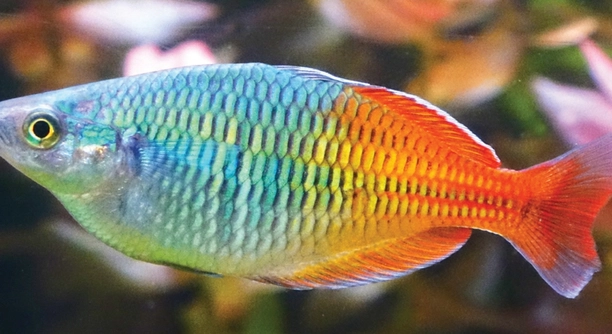
Rainbow fish are lively creatures with vibrant colors that can bring beauty to any tank. If you have these fish, you may notice their jumping behavior, especially during feeding times. Understanding why this happens can help you care for them better.
Rainbow fish may jump during feeding due to excitement, stress, or a desire to catch food. This behavior can also be influenced by tank conditions, including water quality, temperature, and the presence of other fish.
Learning about the reasons behind this behavior can help ensure a safer and more enjoyable environment for your rainbow fish. It can also aid in preventing injuries and maintaining their health.
Why Do Rainbow Fish Jump During Feeding?
Rainbow fish are known for their lively nature and bright, eye-catching colors. When it comes to feeding time, these fish can sometimes jump out of excitement or in an attempt to catch food. This jumping behavior is a natural response to stimuli in their environment, especially if they associate feeding time with something they enjoy. The sight of food can make them more active and eager, which may lead to them leaping out of the water. It’s important to remember that this behavior doesn’t always indicate a problem, but it can also signal that something isn’t quite right with the environment.
Sometimes, rainbow fish may jump because they feel stressed or uncomfortable in their tank. Changes in water temperature, quality, or tank setup can cause them to feel uneasy. When they jump, it’s often a sign they are trying to escape perceived threats or unfavorable conditions. Ensuring that their environment remains stable is crucial for preventing such behavior. It’s not uncommon for them to jump during feeding if they’re looking for an escape from stress.
If you notice your rainbow fish jumping frequently, it’s essential to check their surroundings and make adjustments if necessary. In some cases, adding more plants, decorations, or even adjusting the water conditions can help reduce this behavior. However, even with perfect conditions, jumping may still occur, especially if they are overly excited during feeding time. Keeping a close eye on their reactions can help identify any issues early on and improve their well-being.
Tank Conditions and Their Impact on Behavior
Sometimes, rainbow fish jump because of the environment they’re in. Water quality plays a huge role in how fish behave. If the water is too acidic or too hard, they may feel stressed.
Tank conditions, such as poor water quality, improper filtration, and fluctuating temperatures, can cause rainbow fish to become uneasy. Stress is one of the main reasons they might jump, as it’s their instinct to escape from discomfort. They might also try to leap out of the tank if they feel unsafe, perhaps due to aggressive tankmates or overcrowding. To avoid this, you should maintain clean, stable water conditions, using a good filter and testing the water regularly. Temperature control is also important, as sudden changes in temperature can lead to stress and jumping.
A well-maintained tank with appropriate water parameters and proper filtration will make rainbow fish feel secure, reducing the likelihood of jumping. If you notice that they only jump during feeding time, it’s often just excitement. But if they do so at other times, or if they seem stressed, it’s worth checking the tank conditions to make sure everything is right.
Feeding Habits and Rainbow Fish Behavior
Rainbow fish often jump during feeding because they’re excited and eager for food. They can recognize feeding times and react with enthusiasm, which leads to them leaping out of the water. This is a normal behavior for many fish, especially when they’re hungry and anticipate food. It’s important to feed them regularly and consistently.
Feeding rainbow fish properly can help reduce their jumping behavior. Overfeeding can lead to water quality issues, while underfeeding might make them more frantic during feeding. Offer small portions of food at regular intervals, ensuring that the fish can consume everything quickly. Excess food in the tank can lead to uneaten food sinking to the bottom, which contributes to water pollution and could affect their health.
It’s also worth noting that some rainbow fish may prefer certain types of food. They might jump in an attempt to catch specific items, such as flakes or live foods. Understanding their preferences can help manage feeding times more effectively, reducing their excitement and making the process smoother.
Tank Size and Space
A cramped tank can increase the likelihood of rainbow fish jumping. If there’s not enough space to swim freely, they may jump to find more room. Keeping your fish in an appropriately sized tank reduces stress.
Rainbow fish thrive in spacious tanks with plenty of swimming space. A tank that is too small doesn’t provide the room they need to swim comfortably, which can cause stress and trigger jumping. The recommended minimum size for a group of rainbow fish is around 30 gallons. A larger tank with adequate space for swimming will help them feel more secure and reduce their chances of jumping. Additionally, providing hiding spots and plants can help them feel safer and more at ease.
Proper tank size is a crucial factor in maintaining healthy rainbow fish. If your fish are constantly jumping, consider upgrading to a larger tank with better water conditions and plenty of space. This will help them live happier, more active lives without feeling the need to leap out of the water in search of comfort.
Overcrowding and Its Effect on Jumping Behavior
Overcrowding can cause stress in rainbow fish, leading them to jump. When there are too many fish in a tank, competition for space and food increases, which may trigger jumping as they try to escape the crowded conditions.
To prevent overcrowding, it’s important to follow proper stocking guidelines. For rainbow fish, aim for about one inch of fish per gallon of water. If your tank is too crowded, the water quality can suffer as well, which contributes to stress. Keeping fish in groups can be beneficial, but they still need enough room to swim freely.
Water Quality and Temperature
Maintaining proper water quality and temperature is key to reducing jumping behavior. Rainbow fish are sensitive to fluctuations in their environment, and poor conditions can make them anxious.
Ensure that your tank’s pH, hardness, and temperature are stable. Rainbow fish thrive in slightly acidic to neutral water with a temperature between 72°F and 78°F. Regular water changes and proper filtration help keep the tank environment clean. Stress from poor water conditions often leads to jumping, so maintaining good water quality is essential for their well-being.
Tankmates and Social Dynamics
The presence of aggressive or incompatible tankmates can also make rainbow fish jump. Fish that feel threatened by more dominant species might attempt to escape by leaping out of the water.
Be mindful of the other species in your tank. Rainbow fish are peaceful but can be easily intimidated. Avoid keeping them with aggressive fish that might cause stress, and make sure there’s enough space to allow each fish to claim its own territory. This will help reduce anxiety and jumping behavior.
FAQ
Why do rainbow fish jump during feeding?
Rainbow fish tend to jump during feeding because they are excited and eager for the food. They associate feeding time with a reward, and jumping can be their way of showing excitement. It’s a normal behavior for them, particularly when they are hungry. However, this can also be linked to the fact that they may be trying to catch food mid-air, especially if it’s live food or flakes that float. If the jumping happens only during feeding, it’s usually just their way of being active and alert around food.
Is jumping a sign of stress in rainbow fish?
Jumping can sometimes be a sign of stress in rainbow fish, but it’s not always the case. If they are jumping frequently outside of feeding times, it could indicate that something is wrong in their environment. Stress factors like poor water quality, inappropriate temperature, overcrowding, or aggressive tankmates can make rainbow fish feel uneasy, causing them to jump. If you notice jumping occurring regularly, it’s worth checking the tank conditions and addressing any potential issues.
How can I stop my rainbow fish from jumping?
To prevent rainbow fish from jumping, you need to create a safe and stable environment for them. Ensure that the tank is appropriately sized and that the water quality is optimal. Maintaining a stable temperature, proper filtration, and regular water changes will keep the fish comfortable. Also, consider covering the tank with a lid to prevent accidental escapes. If the jumping occurs during feeding, try offering food in a way that reduces excitement, like using a slow-feeder or feeding in smaller amounts to avoid overwhelming them.
Do rainbow fish jump out of the tank often?
Rainbow fish can jump out of the tank, but this isn’t typically a common occurrence unless there are stress factors involved. They may jump if they feel overcrowded, threatened, or if the water conditions are poor. Some rainbow fish might also leap out of the water during particularly exciting feeding sessions. If they are housed in a well-maintained tank with proper care, jumping should be minimal. However, it’s always a good idea to have a lid on the tank to avoid any accidental escapes, especially if they seem particularly active during feeding.
Do I need to cover my tank if I have rainbow fish?
Yes, it’s a good idea to cover your tank if you have rainbow fish, especially if they tend to jump. A tight-fitting lid or mesh cover can prevent them from leaping out of the water, particularly during feeding times when they might be more excited. This is especially important if your tank is on the smaller side or if you’ve noticed frequent jumping behavior. A lid will also help maintain proper humidity and keep the tank environment more stable.
Can rainbow fish jump because they’re hungry?
Rainbow fish might jump because they are hungry and excited about the prospect of food. Jumping can be a sign that they’re anticipating feeding time and are eager to catch food. It’s not unusual for rainbow fish to become more active and jump when they sense food in the tank, especially if you’ve trained them to associate you with feeding time. While this is usually harmless, make sure to feed them the right amount to avoid overfeeding, which could cause other issues like water quality problems.
Do rainbow fish jump when they are mating?
Rainbow fish do not typically jump as a direct result of mating behavior, but they may display more active and excited behaviors during mating. If your fish are engaging in courtship, they might swim erratically or leap out of the water in their enthusiasm. This could be confused with jumping during feeding. However, mating behaviors are usually more focused on swimming patterns and chasing than leaping out of the tank. If your fish are jumping frequently around breeding times, ensure that the tank is stable and free from stressors that could disrupt their natural mating activities.
How can I reduce excitement during feeding times?
To reduce excitement during feeding, try feeding your rainbow fish in smaller portions more frequently, rather than large amounts at once. You can also use a slow-feeder to distribute the food more evenly, allowing the fish to calmly swim and eat without becoming overly excited. If you feed live food or flakes, consider varying their feeding routine to keep them engaged without overwhelming them. This approach will also help prevent overfeeding and maintain better water quality in the tank.
Are rainbow fish prone to jumping in smaller tanks?
Yes, rainbow fish are more likely to jump in smaller tanks because they can feel cramped and stressed. If they don’t have enough space to swim freely, they might leap to find more room or attempt to escape from the uncomfortable environment. A larger tank will allow them to swim more naturally, reducing stress and the urge to jump. Providing plenty of swimming space and hiding spots can also make them feel more secure, decreasing their jumping behavior.
Can adding more plants or decorations help prevent jumping?
Yes, adding more plants and decorations to the tank can help reduce jumping behavior in rainbow fish. Having more hiding spots and visual barriers allows them to feel more secure and less stressed. Rainbow fish are active and enjoy swimming through plants, so incorporating live plants or artificial decorations gives them opportunities to explore their environment without feeling the need to jump. Additionally, the plants and decorations help break up the open space, making them feel more protected and less likely to leap out of the water.
Is it okay to have multiple species of fish with rainbow fish?
Rainbow fish are peaceful, so they usually do well with other non-aggressive species. However, certain tankmates might cause stress, leading to jumping. Avoid aggressive or territorial fish, as they can create tension. It’s best to choose calm, compatible species that won’t compete too aggressively for space or food. A well-mixed community tank with peaceful species will help rainbow fish feel secure and reduce the likelihood of jumping. Always observe interactions and be ready to separate fish if aggression occurs.
Final Thoughts
Rainbow fish are active and vibrant creatures, but their jumping behavior can sometimes be a bit surprising. Whether they’re excited about feeding, trying to escape stress, or simply reacting to their environment, it’s important to understand the reasons behind this action. Jumping isn’t always a sign of something wrong, but it can be a signal that certain factors in their tank need attention. By paying attention to their tank conditions, feeding habits, and overall environment, you can help minimize unnecessary jumping and ensure they live a healthy and happy life.
Maintaining proper tank conditions is one of the most effective ways to reduce jumping behavior. Rainbow fish thrive in stable environments with clean water, appropriate temperature, and adequate space. Overcrowding, poor water quality, and temperature fluctuations can cause stress, leading them to leap out of the water. Making sure your fish have enough space to swim freely and a well-maintained environment helps them feel secure. Additionally, understanding their feeding habits can also play a big role. Feeding them in a calm, consistent manner without overwhelming them can prevent the excitement that often leads to jumping.
It’s also important to remember that jumping is a natural behavior for rainbow fish during feeding times. This doesn’t always mean something is wrong, but if you notice excessive jumping, it’s a good idea to assess their surroundings. With the right care, a suitable tank setup, and regular monitoring, rainbow fish can be content and active without the need to jump. Keeping an eye on their well-being and adjusting their environment when needed will go a long way in preventing unnecessary stress and ensuring that your rainbow fish remain healthy and happy in their home.

Hello,
If you enjoy the content that we create, please consider saying a "Thank You!" by leaving a tip.
Every little bit helps us continue crafting quality advice that supports the health, happiness, and well-being of pets around the world, for pets of all shapes, sizes, and species.
We really appreciate the kindness and support that you show us!