
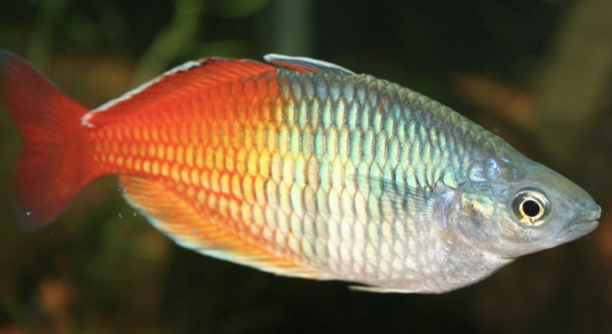
Rainbow fish are often seen hiding behind tank equipment, leaving owners puzzled about their behavior. This is a common issue for aquarium enthusiasts, as it may affect both the fish’s well-being and the tank’s aesthetics.
Rainbow fish hide behind tank equipment due to a combination of natural instincts and environmental factors. They are often seeking shelter from potential threats or trying to establish territory. Additionally, stress or poor water conditions can contribute to this behavior.
Understanding these behaviors will help you create a more comfortable and supportive environment for your rainbow fish, promoting healthier habits.
Why Do Rainbow Fish Hide?
Rainbow fish are known for their vibrant colors, but their tendency to hide behind tank equipment can leave owners wondering why. This behavior can be attributed to various factors, including their natural instincts and environmental stressors. In the wild, these fish seek shelter from predators, and this instinct remains in captivity. The presence of plants, rocks, or tank decorations can serve as hiding spots, making them feel secure.
It’s important to note that rainbow fish may feel stressed or threatened when they don’t have enough hiding places. If they feel unsafe, they will retreat to areas that offer more protection. The presence of other aggressive fish or sudden changes in the tank environment can also lead to this behavior. Inadequate tank size, poor water quality, or improper lighting can all contribute to stress, causing the fish to hide more often.
Adding more plants or rearranging the tank can help your rainbow fish feel more comfortable and reduce hiding behavior. Additionally, monitoring water parameters and ensuring a stable environment can make a significant difference in reducing stress levels.
How to Encourage Your Rainbow Fish to Stay Active
One way to reduce hiding is by introducing a variety of plants and decorations that mimic the fish’s natural environment. A well-planted tank provides hiding spots without making the fish feel trapped.
Making sure your fish have enough space to swim freely is essential. Too many fish in a small tank can lead to overcrowding and stress, pushing your rainbow fish to hide. Ensuring a balanced mix of tank mates can also help prevent territorial aggression and reduce the likelihood of hiding. Proper water filtration and regular water changes are crucial for maintaining a healthy and stress-free environment.
Tank Size and Space
If your tank is too small, rainbow fish may feel cramped and retreat to hiding spots. Fish need enough space to swim comfortably, and a crowded environment can cause them stress. A larger tank gives them more freedom to explore and feel secure.
A minimum tank size of 30 gallons is recommended for a group of rainbow fish. With adequate space, the fish will feel less threatened and more inclined to swim freely. Overcrowding can also increase waste levels, negatively affecting water quality and adding to the stress. Proper tank size allows for better filtration, which helps maintain a healthy environment.
When choosing a tank, consider not just the size but also the layout. Ensure there’s enough space between plants, decorations, and rocks for fish to swim around. Creating an environment with open swimming areas, as well as some hiding spots, can reduce stress and encourage natural behavior. Proper tank size and layout play a key role in your fish’s overall well-being.
Water Quality and Temperature
Water quality is one of the most important factors in keeping rainbow fish active. Poor water conditions, such as high ammonia levels or inconsistent temperature, can cause stress and make the fish hide more often. Regular water changes and filtration are necessary to maintain a stable environment.
Rainbow fish prefer slightly alkaline water with a temperature range between 74°F and 79°F. If the water quality or temperature fluctuates too much, the fish may feel unsafe and hide behind tank equipment. Make sure to test the water regularly for ammonia, nitrites, and nitrates to keep these levels in check. Adding a reliable filtration system helps keep the water clean, which contributes to the fish’s overall comfort.
Tank Mates
Rainbow fish can be shy around aggressive or overly active tank mates. If there are aggressive species or territorial fish in the tank, your rainbow fish may seek shelter behind tank equipment. They prefer peaceful companions that won’t make them feel threatened.
Choosing peaceful, non-aggressive species can encourage rainbow fish to be more active and less likely to hide. Small, calm fish like tetras or other rainbow fish are ideal companions. Avoid aggressive species like cichlids or larger predatory fish. When choosing tank mates, consider the behavior of all species to ensure a harmonious environment.
Lighting
Rainbow fish tend to hide more when the lighting is too bright or too dim. They need a balanced lighting environment to feel comfortable. Bright, harsh lighting can cause stress, while dim lighting may prevent them from being as active.
Adjusting the light intensity or adding plants that can filter the light may encourage them to stay out in the open. You can also use a timer for consistency, simulating natural light cycles. Proper lighting helps create a comfortable atmosphere, making your fish feel more secure and less likely to hide.
FAQ
Why do rainbow fish hide behind plants or decorations?
Rainbow fish may hide behind plants or decorations for several reasons. They are naturally shy creatures that seek shelter when they feel threatened or stressed. In the wild, they use plants and rocks as hiding spots to avoid predators. In a tank, these same instincts remain. The presence of tank decorations provides a sense of security, allowing the fish to feel more protected. They may also hide due to environmental stress, such as poor water quality or inappropriate tank mates. If your rainbow fish are hiding, it’s important to evaluate their environment for potential stressors.
Can stress cause rainbow fish to hide?
Yes, stress is one of the main reasons rainbow fish hide. Stress can come from many factors, including poor water conditions, overcrowding, aggressive tank mates, or sudden changes in the environment. If a rainbow fish feels threatened or uncomfortable, it will instinctively hide behind tank equipment. Identifying and eliminating the source of stress can help reduce hiding behavior. Regular maintenance, proper tank size, and ensuring peaceful tank mates are essential for minimizing stress. When rainbow fish are in a comfortable environment, they are more likely to remain active and visible.
How can I reduce hiding behavior in rainbow fish?
Reducing hiding behavior in rainbow fish involves creating a stable, stress-free environment. Start by ensuring the tank is large enough for the fish to swim freely. A spacious tank reduces overcrowding, which can lead to stress. Provide plenty of plants and decorations, but make sure there are open swimming areas as well. Also, check water parameters regularly to maintain proper pH, temperature, and ammonia levels. Tank mates should be peaceful, as aggressive or overly active species can stress your rainbow fish. Consistent lighting and proper filtration can also help improve the fish’s comfort level.
Do rainbow fish need hiding spots in their tank?
Rainbow fish do not require hiding spots in the same way other species, such as catfish or bettas, might. However, having some places to retreat to when feeling stressed can be beneficial. They are not solitary creatures, but their natural instinct is to seek shelter when they feel unsafe. A few well-placed plants or rocks can offer the security they need without making them feel trapped. The goal is to create a balanced environment where they feel free to swim around while still having places to hide if necessary.
What is the ideal tank size for rainbow fish?
Rainbow fish need plenty of space to swim and explore. The ideal tank size for a small group of rainbow fish is at least 30 gallons. A larger tank provides more swimming area, reduces stress, and helps maintain better water quality. The larger the tank, the easier it is to manage the water conditions and avoid overcrowding. A bigger tank also allows you to keep a group of rainbow fish, which helps them feel more comfortable as they are social creatures. If the tank is too small, the fish may feel cramped, leading them to hide behind equipment more often.
How do I know if my rainbow fish is stressed?
Signs of stress in rainbow fish can include excessive hiding, swimming erratically, or staying at the bottom or top of the tank. They may also stop eating or display unusual behaviors like darting around the tank or rubbing against decorations. Stress can be caused by poor water quality, high temperatures, or aggressive tank mates. If your rainbow fish is constantly hiding, it could indicate that it’s stressed and is seeking refuge from environmental factors. Regular water testing and observing the fish’s behavior can help you identify signs of stress and address the root causes.
Can I keep multiple rainbow fish together in a tank?
Yes, rainbow fish are social creatures and thrive in groups. Keeping multiple rainbow fish together can help reduce stress and encourage natural behaviors. A group of six or more is ideal, as they will feel more secure in a larger school. Having a group also helps prevent any single fish from becoming stressed or bullied. However, it’s important to ensure that the tank is large enough to accommodate the group and provide sufficient space for all fish. Peaceful tank mates should also be chosen to prevent aggression that could lead to hiding behavior.
How often should I clean my tank to prevent stress in rainbow fish?
Maintaining a clean tank is crucial for keeping rainbow fish healthy and stress-free. Regular tank maintenance should include water changes, substrate cleaning, and checking filtration systems. You should change about 25-30% of the water every two weeks to maintain water quality. Clean the tank’s equipment and decorations as needed, but avoid over-cleaning, as it can disrupt the beneficial bacteria that help break down waste. Keep an eye on the water’s ammonia, nitrite, and nitrate levels. If these levels rise, it may cause stress for your rainbow fish, prompting them to hide more frequently.
What temperature do rainbow fish prefer?
Rainbow fish prefer a stable water temperature between 74°F and 79°F (23°C to 26°C). Temperatures outside of this range can cause stress and make the fish more prone to hiding. Sudden temperature fluctuations can also be harmful. Using a reliable heater and thermometer can help maintain a consistent temperature in your tank. If the water temperature is too low or too high, the fish may become lethargic, seek shelter, and avoid swimming actively. Keeping the temperature within this range will ensure your rainbow fish stay healthy and less likely to retreat into hiding spots.
Can rainbow fish live with other species?
Rainbow fish are generally peaceful and can coexist with many other species. They are best kept with other non-aggressive, similarly-sized fish. Avoid keeping them with territorial or aggressive species, as this can lead to stress and hiding behavior. Species like tetras, other rainbow fish, or peaceful livebearers make great companions for rainbow fish. Be cautious when adding new fish to the tank, as introducing aggressive species can cause them to hide more often. Keeping a peaceful and balanced tank community is key to preventing stress in your rainbow fish.
Final Thoughts
Rainbow fish are beautiful and active creatures that can bring a lot of joy to an aquarium. However, it’s important to understand their natural behaviors and needs to keep them healthy and comfortable. Hiding behind tank equipment is a common behavior, and it’s often a sign that something in their environment is causing them stress. Whether it’s tank mates, water conditions, or lighting, understanding the causes behind this behavior can help you make the necessary adjustments to create a more peaceful and secure environment for your rainbow fish.
Creating the right environment for rainbow fish involves ensuring their tank is spacious and well-maintained. Proper filtration, regular water changes, and a balanced temperature are all key to reducing stress. Providing hiding spots like plants or decorations is also beneficial, but it’s important to avoid overcrowding the tank with too many decorations that might make the fish feel trapped. It’s about finding the right balance—enough space to swim freely and enough shelter to feel safe when needed. Keeping peaceful tank mates and avoiding aggressive species will also help reduce the chances of stress-induced hiding.
In summary, understanding why rainbow fish hide behind tank equipment is essential for their care and well-being. With the right care, they will feel secure and comfortable enough to explore their tank and display their vibrant colors. By addressing the factors that contribute to stress, you can help your rainbow fish thrive and enjoy a peaceful life in your aquarium. Making small adjustments to their environment will go a long way in creating a harmonious space for your fish and allowing you to fully appreciate their natural beauty and behavior.

Hello,
If you enjoy the content that we create, please consider saying a "Thank You!" by leaving a tip.
Every little bit helps us continue crafting quality advice that supports the health, happiness, and well-being of pets around the world, for pets of all shapes, sizes, and species.
We really appreciate the kindness and support that you show us!