
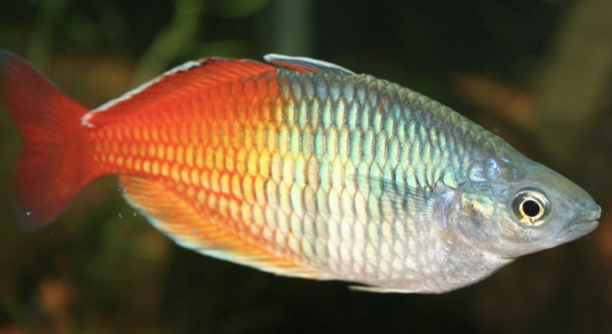
Rainbow fish, known for their vibrant colors and energetic movement, can sometimes show signs of discomfort. Their behavior can be subtle, making it important to understand the signs of distress. This article explains how to spot them.
Rainbow fish display discomfort through various subtle behavioral changes. These can include reduced activity, hiding, unusual swimming patterns, or altered feeding habits. These signs may seem minor but are important indicators of stress, health issues, or environmental factors affecting the fish.
Understanding these signs will help you recognize when your rainbow fish may be in distress. Identifying discomfort early ensures that you can address the issue before it worsens.
Reduced Activity Levels
When rainbow fish are uncomfortable, their energy levels often drop. They might move less than usual or spend most of their time hiding. This behavior is often a response to stress, illness, or changes in water conditions. If you notice your rainbow fish resting at the bottom of the tank or avoiding interaction with other fish, it could be a sign of discomfort. Keeping an eye on their usual activity levels can help you spot any changes early.
If your fish aren’t swimming around as much as they normally would, it may be time to investigate their environment. Ensure the water quality is optimal, and there are no significant changes in their surroundings.
Rainbow fish are typically quite active. If they suddenly become lethargic, it’s a signal that something might be off. In some cases, illness could be a factor, and a thorough check of the tank, including filtration and temperature, should be done. Sometimes, the presence of aggressive tank mates can also cause this behavior, as they may feel threatened.
Hiding Behavior
Another common sign of discomfort in rainbow fish is excessive hiding. They may retreat to corners or places in the tank where they feel safe. This behavior is often seen when they are stressed or feeling insecure.
Fish that spend more time in hiding may also be dealing with stress factors like poor water quality or overcrowding. This hiding can be a way for them to escape potential threats or overwhelming environments.
Unusual Swimming Patterns
If your rainbow fish are swimming erratically or seem to struggle with normal movement, this could indicate discomfort. They might swim in circles, swim at odd angles, or even dart around the tank. Such behavior is often associated with stress or illness.
One common cause of strange swimming patterns is poor water quality. High levels of ammonia, nitrites, or nitrates can cause discomfort and erratic behavior in rainbow fish. Another possibility is that the water temperature is too high or low, which can affect their ability to swim smoothly. Ensure proper water testing and adjustment to avoid these issues.
Occasionally, rainbow fish might swim in an uncoordinated way if they’re experiencing internal parasites or other health issues. This should not be ignored, as it could quickly lead to further health complications. Keeping track of the fish’s behavior can help you detect any abnormality in their movements early on.
Altered Feeding Habits
When rainbow fish are uncomfortable, they might stop eating as much as they usually do. You may notice them swimming around food but not showing the usual enthusiasm for feeding. This change in behavior is an important signal to check on their health.
One reason they may refuse food is stress from a sudden change in their environment. Moving to a new tank, introducing new fish, or changing their diet can cause a decrease in their appetite. However, this could also indicate a health problem such as an infection, which can cause them to lose interest in eating.
If your fish are consistently refusing food, it’s best to check the water quality and ensure the tank conditions are stable. It’s also important to observe the other fish in the tank to ensure no aggressive behavior is affecting the rainbow fish’s ability to feed comfortably.
Faded Colors
When rainbow fish feel stressed or unwell, their vibrant colors may dull. Healthy rainbow fish have bright, vivid hues, but discomfort can cause them to lose their brightness. This color change can indicate poor water conditions or underlying health problems.
A lack of color intensity is often a response to a stressed environment. Poor water quality, fluctuating temperatures, or high levels of toxins can cause this. If you notice a faded appearance, check the water parameters and make sure everything is balanced. A drastic change in water temperature or pH can also trigger color fading.
Sometimes, a fish’s color may fade if they are being bullied by tank mates. Stress from aggression can directly impact their health, making it harder for them to show their natural vibrancy.
Clamped Fins
Clamped fins are a common sign that something isn’t right with your rainbow fish. When their fins are held close to their body instead of being fully spread out, it usually means they’re feeling unwell or stressed.
Clamped fins are often a sign of physical discomfort, often caused by poor water quality or the presence of disease. Parasites, bacterial infections, and even changes in water temperature can all lead to this behavior. It’s essential to monitor the condition of their fins regularly.
Isolation from Other Fish
Rainbow fish may isolate themselves from the group when they are uncomfortable. This behavior often suggests that they’re feeling stressed, anxious, or unwell.
Fish that isolate themselves could be trying to avoid other fish or simply want to stay away from stressors. If your rainbow fish are no longer interacting with tank mates, take this as a red flag that something isn’t right with their environment or health.
FAQ
What should I do if my rainbow fish are showing signs of discomfort?
If your rainbow fish are displaying discomfort, the first step is to check the water conditions. Test for ammonia, nitrites, nitrates, and pH levels. Make sure the temperature is within the appropriate range, and ensure your tank is properly filtered. Once you’ve confirmed the water is clean, observe your fish for any signs of illness. If needed, provide a more stress-free environment by adding hiding spots or rearranging the tank. If the behavior continues, it may be best to consult with a vet or aquatic specialist.
How can I improve my rainbow fish’s environment to reduce stress?
Creating a stress-free environment is key to keeping rainbow fish healthy. Start by ensuring stable water conditions, including temperature, pH, and hardness. Rainbow fish prefer a moderate flow in the water, so avoid strong currents. Providing plants and decorations allows your fish to hide or explore. Avoid overcrowding the tank and ensure your rainbow fish have enough space to swim freely. Also, make sure the tank mates are compatible and not aggressive toward the rainbow fish.
Why are my rainbow fish hiding so much?
Rainbow fish hide when they are feeling stressed, threatened, or unwell. If they are constantly hiding, it may indicate that something in the tank is bothering them. Poor water quality, territorial tank mates, or drastic changes in the tank setup can all contribute to hiding behavior. Check the water parameters, ensure the environment is calm, and observe for any signs of illness. Stressful tank conditions often cause this, so finding the source is crucial for helping your fish feel safe again.
What could cause rainbow fish to swim erratically?
Erratic swimming in rainbow fish can be caused by poor water conditions, such as high levels of ammonia, nitrites, or unstable temperature. If the fish are struggling with parasites or infections, it can also affect their swimming patterns. Additionally, overcrowded tanks or aggressive tank mates may lead to anxiety, causing irregular movements. Monitor their health closely and make sure their environment is clean and well-maintained. If the behavior persists, consider isolating the fish for treatment or contacting an aquatic specialist.
Is it normal for rainbow fish to stop eating?
A decrease in appetite is not normal for rainbow fish and could indicate discomfort. Stress, poor water quality, or illness can cause them to lose interest in food. A sudden change in diet or environment can also make your fish hesitant to eat. If your fish are not eating for several days, it’s important to check water parameters, ensure there are no aggressive fish, and consider offering different types of food. If the issue continues, consult a vet for a proper diagnosis.
How can I tell if my rainbow fish are stressed?
Stress in rainbow fish is often evident through changes in behavior such as hiding, reduced activity, clamped fins, and altered swimming patterns. If your fish are no longer as active or exhibit sudden changes in appearance, such as faded colors, these could be signs of stress. Keep an eye on their feeding habits as well, as stress can cause loss of appetite. Environmental factors like poor water quality, incompatible tank mates, or inadequate tank setup often contribute to stress, so addressing these issues can help relieve the discomfort.
What water conditions do rainbow fish need?
Rainbow fish thrive in stable water conditions. The water temperature should be kept between 72-78°F (22-26°C), and the pH should be slightly acidic to neutral, ranging from 6.5 to 7.5. They prefer soft to moderately hard water. Make sure the tank is properly filtered to maintain water quality, and conduct regular water changes to keep the fish healthy. A sudden fluctuation in any of these conditions can stress the fish, leading to discomfort and changes in behavior.
Can rainbow fish live with other fish?
Rainbow fish are generally peaceful and can live with a variety of other species, especially when housed with similarly calm fish. However, aggressive tank mates can cause stress and discomfort, leading to behavioral changes. It’s important to avoid pairing them with overly territorial or nippy fish. Smaller peaceful species, such as tetras or livebearers, are good tank mates for rainbow fish. Always ensure there is enough space in the tank for all fish to swim freely and avoid overcrowding.
How often should I feed my rainbow fish?
Rainbow fish should be fed once or twice a day. Offer them a balanced diet of high-quality flakes, pellets, or live foods. They are omnivores and enjoy variety, so include different foods to meet their nutritional needs. Be mindful not to overfeed, as excess food can pollute the tank and affect water quality. If your rainbow fish are not eating, check for signs of stress or illness, and adjust their environment to encourage feeding.
What causes rainbow fish to lose their colors?
Rainbow fish lose their vibrant colors when stressed, unwell, or exposed to poor water conditions. Factors like fluctuating water temperatures, high levels of toxins, and aggression from other tank mates can cause their colors to fade. If your rainbow fish are experiencing color loss, check the water parameters and ensure the tank is well-maintained. Addressing the stressors and improving their environment should help restore their natural vibrancy. If the problem persists, the fish may be dealing with an underlying health issue.
How do I prevent disease in my rainbow fish?
Preventing disease in rainbow fish starts with maintaining a clean and stable tank environment. Regular water changes, proper filtration, and monitoring water quality are essential. Avoid overcrowding the tank and introduce new fish slowly to prevent introducing diseases. Quarantine any new fish for at least two weeks before adding them to the main tank. Also, be cautious about feeding your fish quality food to keep their immune system strong and resistant to infections. If you notice any symptoms of illness, address the issue promptly.
Final Thoughts
Rainbow fish are beautiful and vibrant creatures that add life to any aquarium. However, like all fish, they are sensitive to their environment and can show signs of discomfort when something isn’t right. The most common signs to look for include faded colors, clamped fins, erratic swimming, or loss of appetite. By paying attention to these subtle cues, you can help your rainbow fish stay healthy and happy.
Maintaining the right water conditions is crucial for preventing stress and discomfort. Regularly checking the water’s temperature, pH, and filtration system will go a long way in ensuring your fish feel comfortable. If any issues arise, such as an aggressive tank mate or fluctuating water quality, they can often be fixed by adjusting the environment. Adding plants or other hiding spots can also help your rainbow fish feel secure and less stressed.
Ultimately, understanding your rainbow fish’s behavior and needs will help you provide a better environment for them. By recognizing the early signs of discomfort and making small adjustments, you can ensure your fish live in a healthy, stress-free environment. Whether you’re a beginner or an experienced fishkeeper, knowing how to respond to discomfort signs can help keep your rainbow fish thriving.

Hello,
If you enjoy the content that we create, please consider saying a "Thank You!" by leaving a tip.
Every little bit helps us continue crafting quality advice that supports the health, happiness, and well-being of pets around the world, for pets of all shapes, sizes, and species.
We really appreciate the kindness and support that you show us!