
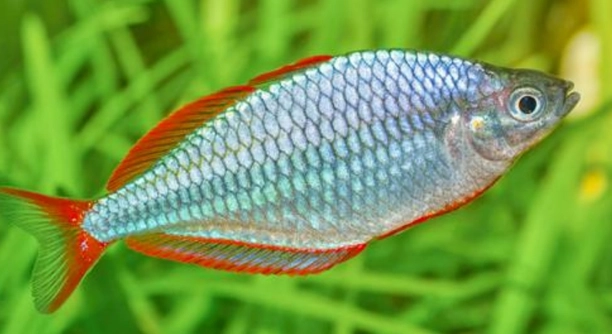
Rainbow fish are fascinating creatures, known for their vibrant colors and lively movements. However, certain actions can startle them unexpectedly, causing stress or confusion. Understanding what these actions are can help maintain a peaceful environment for these beautiful fish.
Rainbow fish are highly sensitive to sudden changes in their surroundings. Actions like loud noises, rapid water movement, or sudden hand movements near the tank can startle them. These stressors disrupt their natural behavior and may cause them to hide or act erratically.
These insights will help you create a more serene space for your rainbow fish, reducing stress and promoting healthier behavior.
Loud Noises and Sudden Sounds
Rainbow fish are particularly sensitive to loud noises or sudden sounds around their tank. Whether it’s a door slamming, music playing loudly, or even a vacuum cleaner, these abrupt noises can startle your fish. Their heightened sense of hearing means that what might seem like background noise to us can feel intense to them. When exposed to these sounds repeatedly, the fish may become stressed, swim erratically, or hide in the tank.
While some noise may be unavoidable, consider placing the tank in a quieter area of the room. Keeping the tank away from high-traffic zones or areas with frequent loud activity helps reduce stress.
Maintaining a calm and quiet atmosphere around your fish is essential for their well-being. This simple adjustment can make a noticeable difference in their behavior, encouraging them to swim confidently and stay active.
Rapid Movements Near the Tank
Rapid hand movements near the tank can startle rainbow fish. These fish are known for their quick reflexes, and sudden movements in their environment can trigger a flight response. Even small gestures like reaching into the tank too quickly or cleaning the glass too hastily can cause stress.
When interacting with your tank, try to move slowly and deliberately. This gives your fish time to adjust to your presence, reducing the chance of them becoming startled. Quick, jerky actions often lead to hiding, which may interfere with their normal activity. The more calmly you approach your tank, the more at ease your fish will be.
It’s important to understand that fish are always alert to their surroundings. By minimizing sudden movements, you can create a more stable environment for your rainbow fish, allowing them to thrive without unnecessary disruptions.
Rapid Water Movement
Rainbow fish can be startled by sudden changes in water movement. Whether it’s from a filter turning on or a pump creating strong currents, these shifts can disrupt their calm swimming patterns. Fish that are exposed to frequent, unexpected water changes often become stressed and disoriented.
To minimize the impact of water movement, ensure the filtration system is set to a comfortable flow rate for your fish. Avoid using overly powerful pumps or filters that create strong currents, as this can cause the fish to retreat or act erratically. A gentle flow is ideal for rainbow fish.
It’s also essential to monitor how the fish interact with their environment. If you notice them struggling with the current or spending more time hiding, it may be a sign that the water movement is too intense. Adjusting the filter settings or positioning decorations to break the current can help create a more peaceful space.
Bright Lighting
Bright, direct lighting can cause stress for rainbow fish. These fish are sensitive to strong light, and prolonged exposure to bright lights can make them anxious. This discomfort leads to hiding and altered behaviors.
Using a soft, ambient light that mimics natural conditions is the best approach. A dimmer light will allow your fish to feel more at ease and encourage them to be more active. Rainbow fish prefer a setting that simulates their natural habitat, where light is less intense.
It’s important to set up lighting that includes a light cycle. A consistent on-and-off pattern will help regulate the fish’s biological rhythms. Avoid sudden changes in lighting, as these can cause alarm and disrupt their daily activities. A gentle light can improve their behavior and help them feel secure.
Feeding Time Chaos
Feeding time can be an overwhelming experience for rainbow fish. If the food is introduced too suddenly or in large amounts, it can cause stress. They may become overly anxious and scatter, which disrupts their feeding behavior.
To avoid startling them, offer food in smaller, controlled portions. This helps the fish feel more secure, allowing them to feed comfortably. Keeping feeding times calm and routine makes the environment more predictable and less stressful for your fish.
By giving them a sense of security during feeding, you help maintain their health and happiness. A calm, consistent feeding routine can improve their overall behavior and activity levels.
Handling the Tank
Handling your tank too much can disturb rainbow fish. Constantly rearranging decorations or cleaning the glass can unsettle them, leading to anxiety. They need stability in their environment.
Try to limit tank handling as much as possible. Perform necessary tasks only when required, such as cleaning or changing water. Avoid moving objects or decorations unless absolutely needed.
Keeping their environment as stable as possible will reduce stress and allow the fish to feel secure. A predictable tank will promote better behavior and a happier fish.
Unfamiliar Movements Outside the Tank
Unfamiliar movements outside the tank can be alarming for rainbow fish. If there are quick, unusual movements near the tank, such as a person walking rapidly by or animals in the room, it can cause the fish to startle.
Be mindful of any activity outside the tank that might seem erratic to the fish. If you notice them darting or hiding when movement occurs, it may be due to their heightened awareness of their surroundings. To reduce this, create a peaceful space around the tank.
FAQ
What are the common signs that my rainbow fish are stressed?
Stressed rainbow fish often display behaviors like hiding for extended periods, erratic swimming, or unusual stillness in the tank. They might also lose their vibrant colors, which is a clear sign that they are not comfortable in their environment. If these behaviors persist, it’s important to identify the source of stress and address it promptly.
How do I create a calm environment for my rainbow fish?
Creating a calm environment starts with controlling noise, water movement, and light. Keep the tank in a quiet, low-traffic area, use a gentle filtration system, and ensure the lighting is soft and consistent. Limit sudden changes in water conditions and handle the tank as little as possible. This creates a stable environment for your fish to thrive in.
Can loud noises cause long-term harm to rainbow fish?
While a loud noise can startle your rainbow fish temporarily, it is unlikely to cause permanent harm. However, consistent exposure to loud sounds may lead to chronic stress, which can weaken their immune system and lead to health issues over time. It’s best to avoid loud noises around the tank regularly.
How often should I feed my rainbow fish to avoid startling them?
Feeding should be done in small portions once or twice a day. Sudden or large amounts of food can overwhelm your fish, causing them to react nervously. Always try to maintain a routine feeding schedule to help your rainbow fish feel more secure and reduce stress.
Is it normal for rainbow fish to hide after a tank cleaning?
Yes, it’s normal for rainbow fish to hide after a tank cleaning. The process of rearranging decorations or introducing fresh water can create temporary stress. Give them some time to adjust, and they will likely return to their usual behavior once they feel comfortable again.
Why is my rainbow fish not eating?
If your rainbow fish is not eating, it could be due to stress, poor water conditions, or illness. Check the water quality first, as fluctuations in temperature, pH, or ammonia levels can make your fish less interested in food. If the water is fine, assess their environment for stressors and consider consulting a vet if the issue persists.
How can I reduce the light intensity for my rainbow fish?
To reduce light intensity, you can use a dimmer switch or opt for aquarium lights with adjustable brightness. Using a light cycle, with periods of darkness and light, will also help mimic their natural habitat. This allows your rainbow fish to rest and feel less exposed to harsh lighting.
Can rainbow fish become accustomed to regular handling?
Rainbow fish are generally not fond of being handled and prefer a stable environment. Excessive handling can cause stress, even if it happens regularly. It’s best to avoid handling them unless absolutely necessary, such as during tank maintenance, to ensure they remain comfortable.
What temperature is ideal for rainbow fish?
Rainbow fish thrive in water temperatures between 74°F and 78°F (23°C to 26°C). Maintaining a consistent temperature within this range helps keep your fish healthy and comfortable. Avoid sudden temperature changes, as these can cause stress and affect their well-being.
How do I know if my rainbow fish are comfortable with the water flow?
Rainbow fish typically prefer a gentle water flow, similar to that of their natural habitat. If the water flow is too strong, you may notice your fish swimming against the current or hiding more often. To check, observe their swimming behavior and adjust the filtration system as needed to create a calmer environment.
Why do my rainbow fish sometimes swim erratically?
Erratic swimming can be a sign of stress, illness, or an unsuitable tank environment. First, check the water parameters to ensure they are optimal. Other potential causes include too much light, water flow, or rapid movements around the tank. Identifying and fixing the underlying issue can help your fish feel more secure.
Can rainbow fish coexist with other fish in the same tank?
Rainbow fish are generally peaceful and can coexist with other fish, but it’s important to choose compatible species. Avoid aggressive or territorial fish, as they can stress your rainbow fish. Make sure to research the temperament of other species before adding them to the tank.
How can I prevent my rainbow fish from hiding too much?
If your rainbow fish are hiding frequently, it might be due to stress, insufficient hiding places, or the tank environment not being ideal. Try adding more plants or decorations that provide natural hiding spots. Also, ensure the water conditions and lighting are stable and not too harsh for your fish.
What is the best type of tank decoration for rainbow fish?
Rainbow fish enjoy tanks with plants, driftwood, and rocks that mimic their natural habitat. Provide both open swimming areas and areas with hiding spots to give them the freedom to choose where they feel most comfortable. Avoid sharp or overly cluttered decorations that could stress them.
Do rainbow fish need a companion?
Rainbow fish are social animals and often feel more comfortable when kept in groups. While they can survive alone, they tend to be more active and less stressed when kept with other rainbow fish. Keeping a small group of them can help replicate their natural social behavior.
How can I tell if my rainbow fish is sick?
Signs of illness in rainbow fish include faded colors, loss of appetite, erratic swimming, or visible spots and lesions. If you notice any of these symptoms, test the water quality first to rule out environmental issues. If the problem persists, consult an aquarium professional or veterinarian for diagnosis and treatment.
What should I do if my rainbow fish is constantly hiding?
If your rainbow fish is constantly hiding, it could be a sign of stress, illness, or poor tank conditions. First, assess the water quality and the lighting in the tank. If those are fine, check for any stressors in the environment, such as loud noises, sudden movements, or aggressive tank mates.
Final Thoughts
Understanding what startles rainbow fish can help create a more peaceful and stable environment for them. By being mindful of sudden movements, loud noises, and rapid changes, you can reduce their stress levels. Rainbow fish are sensitive creatures, and keeping their surroundings calm is key to their overall health and well-being. Ensuring that their tank is in a quiet, low-traffic area and avoiding frequent handling can go a long way in creating a safe space for them.
A regular routine, including feeding and tank maintenance, can also help reduce stress. Rainbow fish thrive on consistency, so try to establish a schedule that works for both you and your fish. This could mean feeding them at the same times each day and cleaning the tank at regular intervals. The more predictable their environment, the more comfortable and secure they will feel. Adding plants, decorations, or driftwood that mimic their natural habitat can give them both hiding spots and open swimming spaces, offering balance in their environment.
Lastly, it’s important to remain patient and observant. Rainbow fish may take time to adjust to new settings or changes in their tank. They may need time to become accustomed to new tank mates or a change in water conditions. By closely monitoring their behavior and ensuring their needs are met, you’ll help them thrive in your care. Reducing stress and fostering a stable, calm environment will lead to healthier, happier fish. With proper attention, your rainbow fish will not only feel safe but also exhibit their natural, vibrant beauty.

Hello,
If you enjoy the content that we create, please consider saying a "Thank You!" by leaving a tip.
Every little bit helps us continue crafting quality advice that supports the health, happiness, and well-being of pets around the world, for pets of all shapes, sizes, and species.
We really appreciate the kindness and support that you show us!