
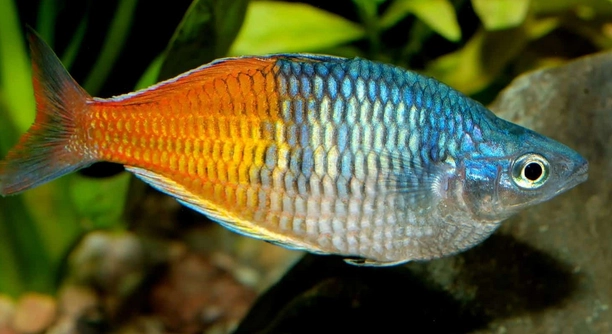
Rainbow fish are often found in community tanks, swimming alongside various tankmates. Their interactions and responses to other fish behaviors can be intriguing to observe. These fascinating creatures display distinct social patterns in the aquatic world.
Rainbow fish do notice the behavior of their tankmates. They are known to react to changes in their environment, including the movements and behaviors of other fish. This social awareness helps them adjust to their surroundings and interact accordingly.
Understanding how rainbow fish respond to their tankmates’ actions provides valuable insights into their social dynamics and overall well-being in a shared environment.
How Rainbow Fish React to Changes in Their Environment
Rainbow fish are known for their sensitivity to environmental shifts. Changes in water quality, temperature, or light intensity can impact their behavior. When tankmates exhibit signs of stress or agitation, rainbow fish may mirror those behaviors, reacting more defensively or becoming more reserved. In a well-maintained tank, these fish are usually calm and active, but disturbances can make them skittish or lethargic. The presence of tankmates can either have a positive or negative effect depending on the overall harmony within the tank environment.
Their reactions may seem subtle, but they are highly in tune with changes around them. Rainbow fish often demonstrate heightened activity or increased aggression when feeling threatened by another fish. They may change their swimming patterns, darting away from certain areas or hiding among plants or decorations. Similarly, a peaceful fish may encourage rainbow fish to exhibit more social behaviors. Maintaining a balanced tank and observing the fish’s behavior is key to understanding their needs and how they adapt to their surroundings.
Rainbow fish are adaptable creatures, but they thrive best in an environment where they feel safe and comfortable. Keeping track of changes in their tankmates’ behaviors can help prevent stress and ensure a harmonious atmosphere for all. Knowing what triggers these reactions can help you create the ideal living space for your fish.
The Role of Tankmates in Their Social Behavior
Rainbow fish are social creatures, often engaging with their tankmates. Their interactions can reveal a lot about their personality and emotional state. Tankmates that are too aggressive can disrupt their peace, leading to noticeable behavior changes.
Rainbow fish typically respond to their tankmates’ actions by adjusting their own behavior. If a more dominant fish bullies them, they might swim in tighter groups or become more elusive. However, they are not shy and will engage with peaceful species around them. Having a mix of species with compatible temperaments helps create a balanced tank environment where rainbow fish feel secure and active.
How Rainbow Fish Communicate with Each Other
Rainbow fish communicate mainly through body language and subtle movements. They use changes in swimming patterns, color shifts, and posture to convey their mood or intentions. When they feel threatened, they may swim quickly or hide in plants. In a social setting, their behaviors are often calm, indicating a peaceful environment.
Fish communicate by displaying specific body movements that signal their intentions. A swift dart through the water may indicate an escape from a perceived threat, while slower, more relaxed swimming is often a sign of comfort. The varying hues of their bodies are also used to attract mates or express dominance. Keeping a careful eye on these cues can reveal a lot about their emotional state and interactions with tankmates.
When rainbow fish display a particular posture, it’s typically a sign of social interaction. They may swim close to each other, forming loose groups. However, if they feel overwhelmed, they could break away and swim alone. Understanding these cues helps maintain a peaceful environment for them.
How Tank Size Affects Their Behavior
The size of the tank plays a significant role in how rainbow fish behave. A larger tank allows them to swim freely, reducing the risk of aggression or stress. Fish that are crowded or confined in small spaces often show signs of anxiety, swimming erratically or hiding more frequently.
A spacious tank encourages natural behaviors like exploring and interacting with other fish. In contrast, when confined to a smaller tank, rainbow fish may become more territorial and aggressive toward their tankmates. Territorial disputes can lead to fights or stress among fish. By providing adequate space, you allow them to express their natural behaviors and reduce the risk of overcrowding. A well-sized tank supports better health and behavior for all tankmates, ensuring they live in harmony.
The Impact of Water Quality on Behavior
Water quality directly affects the behavior of rainbow fish. Poor water conditions, such as high ammonia or nitrate levels, can cause stress, leading to erratic swimming and hiding. Keeping the water clean and well-filtered is crucial for their overall well-being and comfort.
Fish in unhealthy water often display signs of distress, such as abnormal swimming patterns and changes in coloration. Ensuring that the water remains within the right temperature range and is properly aerated reduces the chances of behavioral issues. Regular water changes and maintaining good filtration will help keep your rainbow fish calm and active.
The Effect of Light on Rainbow Fish
Light plays a key role in how rainbow fish behave. Bright, consistent lighting can make them more active, while too much light or sudden changes can lead to stress. A proper day-night cycle is important for their natural rhythm.
Maintaining the right lighting for rainbow fish encourages natural behaviors. They tend to be more active during the day, but too much light can cause them to retreat into darker areas of the tank. Adjusting the lighting to mimic natural cycles ensures a stable environment, reducing stress and promoting healthy activity.
FAQ
Do rainbow fish get along with other fish?
Rainbow fish are generally peaceful and can coexist well with other species in a community tank. They tend to thrive in a harmonious environment with fish that have similar temperaments. However, aggression can arise when they share space with overly territorial or aggressive fish. It’s important to choose tankmates that are non-aggressive and of similar size. Avoid placing rainbow fish with fin-nipping species or overly dominant fish that could stress them. Ensuring there’s enough space and hiding spots helps maintain peace.
What tank conditions are best for rainbow fish?
Rainbow fish prefer a tank with stable water conditions. They thrive in temperatures between 72°F and 79°F (22°C to 26°C) and a pH level of 6.5 to 7.5. Soft to moderately hard water is ideal for them. It’s also crucial to provide proper filtration to maintain water quality. Regular water changes and ensuring that the tank has adequate aeration will keep your rainbow fish healthy and active. Clean, clear water promotes the peaceful behavior they’re known for.
How do rainbow fish show they are stressed?
Stress in rainbow fish is often shown through erratic swimming patterns, such as darting or rapidly swimming in circles. They may also hide more often or refuse to eat. Stress can also cause a color change, as their vibrant hues may fade when they feel unsafe. A stressed rainbow fish may appear lethargic or overly aggressive towards tankmates. If you notice these signs, it’s essential to assess the tank conditions and make adjustments to reduce stress, such as checking water parameters, tankmates, and environment.
Can rainbow fish live in a tank with other peaceful fish?
Yes, rainbow fish can live with other peaceful species. They generally get along with community tankmates like tetras, guppies, and Corydoras. It’s important to avoid fish that are overly territorial or aggressive. A well-balanced tank with peaceful fish and enough space will allow rainbow fish to coexist without issues. Ensure that all species are similar in size to avoid bullying or harassment. Providing enough hiding spots for all fish reduces the chance of conflicts.
Are rainbow fish active at night?
Rainbow fish are diurnal, meaning they are most active during the day. They prefer bright lighting, which encourages them to swim and socialize. At night, rainbow fish usually rest, often hiding in plants or on the substrate. Their activity levels decrease in the dark, and they follow a natural sleep pattern. If your rainbow fish seem unusually active at night, it might be due to disruptions in the tank’s lighting or environment, which can stress them.
Do rainbow fish need a lot of space?
Yes, rainbow fish do best in a spacious tank where they have plenty of room to swim freely. They are active swimmers, so a tank that is at least 30 gallons is recommended for a small group of them. A larger tank reduces stress, encourages natural behavior, and minimizes territorial disputes. It’s also important to include plants, rocks, and decorations that provide hiding spots and create territories for each fish. Space and structure in the tank contribute to a more relaxed and healthy environment.
How often should I feed rainbow fish?
Rainbow fish should be fed twice a day, offering small portions that they can consume within a few minutes. They are omnivores, so a varied diet of high-quality flakes, pellets, and live or frozen foods such as brine shrimp or daphnia will keep them healthy. Overfeeding can lead to water quality issues, so it’s important to avoid excess food. Watch for any uneaten food and remove it after feeding time. A balanced diet supports their vibrant colors and active nature.
Do rainbow fish change color?
Rainbow fish can change color depending on their mood, health, or environmental conditions. When they are stressed, their colors may dull or fade. Conversely, when they are comfortable or trying to attract a mate, their colors may become more intense. The males, in particular, tend to display brighter colors during breeding. While these changes are normal, a sudden or extreme color shift can indicate an underlying issue, such as poor water conditions, stress, or illness.
Can rainbow fish breed in a community tank?
Breeding rainbow fish in a community tank is possible, but it requires careful attention. They typically lay eggs in plants or other hiding places, and the eggs hatch in a few days. However, many species in the tank may consume the eggs or fry. To increase the chances of successful breeding, it’s often recommended to use a breeding tank or provide a separate space for the eggs to hatch. The fry need special care and a specific diet to grow into healthy juveniles.
How can I tell if my rainbow fish are healthy?
Healthy rainbow fish are active, with vibrant colors and smooth, unmarred fins. They swim confidently and interact well with tankmates. Healthy fish will also eat regularly, and their gills will move steadily without rapid or labored breathing. If you notice faded colors, lethargy, or abnormal swimming, these could be signs of illness or stress. Keeping water conditions stable and observing the fish for any behavioral changes can help detect health issues early. Regular checkups with a vet or fish expert are recommended to ensure their well-being.
Can rainbow fish live with bettas?
Rainbow fish and bettas can live together in the same tank if conditions are right, but caution is required. Betta fish are territorial, especially males, and may not tolerate the presence of other males in the tank. Female bettas are generally less aggressive but still may show territorial behavior. To avoid conflict, it’s essential to provide plenty of space, hiding spots, and ensure that no fish is outcompeting the other for space or food. Choosing peaceful rainbow fish and maintaining proper tank conditions will improve their chances of coexisting.
What size group of rainbow fish should I keep?
Rainbow fish are social creatures and do best in groups. A minimum of five to six fish is recommended for a small community. Keeping them in larger groups allows them to feel secure and encourages natural social behavior. Smaller groups may lead to stress, as they can become more territorial or isolated. A group of rainbow fish creates a lively, interactive tank environment. However, remember that the size of the tank should accommodate the number of fish to prevent overcrowding.
Final Thoughts
Rainbow fish are a great addition to any community tank. They are peaceful, active, and colorful, making them enjoyable to watch. However, keeping them happy and healthy requires proper care and attention to their environment. It’s important to provide a suitable tank size, maintain water quality, and ensure they have enough space to swim and interact with each other. A balanced tank with the right tankmates, along with regular maintenance, helps reduce stress and keeps your rainbow fish thriving.
When it comes to their behavior, rainbow fish are generally calm but can show signs of stress if their tank conditions aren’t ideal. Factors like poor water quality, lack of space, or incompatible tankmates can cause them to become agitated or withdrawn. By paying attention to these signs, you can make adjustments to improve their well-being. Regular water changes, proper filtration, and a well-balanced diet will go a long way in keeping them active and healthy. You can also help them feel more comfortable by providing hiding spots and plants, which mimic their natural environment.
Ultimately, rainbow fish are a resilient species when given the right care. With a little effort, they will reward you with their vibrant colors and lively behavior. Monitoring their health, making sure they have proper lighting, and choosing compatible tankmates ensures they can live happily in a community setting. If you’re ready to meet their needs, rainbow fish will be a beautiful and peaceful addition to your aquarium for years to come.

Hello,
If you enjoy the content that we create, please consider saying a "Thank You!" by leaving a tip.
Every little bit helps us continue crafting quality advice that supports the health, happiness, and well-being of pets around the world, for pets of all shapes, sizes, and species.
We really appreciate the kindness and support that you show us!