
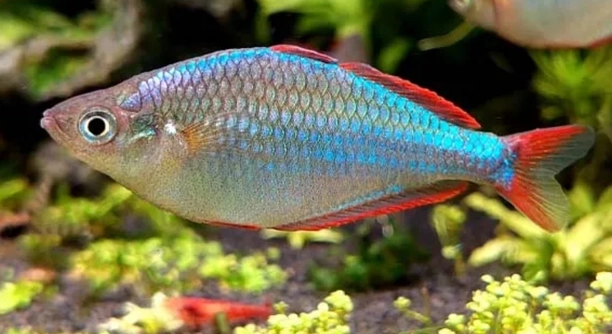
Rainbow fish are beautiful creatures, but they can sometimes struggle in captivity if their environment isn’t stimulating enough. Understanding their needs is key to keeping them happy and healthy. It’s important to recognize the signs when they’re lacking enrichment.
When rainbow fish lack proper enrichment, they can display abnormal behavior like lethargy, aggressive interactions, or unhealthy physical changes. These signs often indicate that their environment is not providing the stimulation necessary for their well-being.
Ensuring that your rainbow fish are properly stimulated can improve their overall health and happiness. Keep reading to learn more about how to spot the signs and what you can do to help.
Lack of Swimming Space
Rainbow fish thrive in spacious environments. If their tank is too small or crowded, they won’t have enough room to swim freely. This can lead to stress, which makes them more vulnerable to illnesses. They may also show signs of aggression or lethargy. Stressful living conditions can negatively impact their health and behavior, so it’s essential to ensure they have enough space to move around.
A cramped environment will likely stunt their natural swimming habits, making them less active. Over time, this may cause them to exhibit odd behaviors like swimming in circles or staying in one spot for too long.
To avoid this, make sure your tank is appropriately sized for the number of fish you have. Aim for at least 20 gallons of water for a small group of rainbow fish. A larger tank allows for more swimming space and reduces stress, improving their overall well-being.
Unstimulating Tank Decor
Boring or bare tank decorations don’t offer much for rainbow fish to interact with. Without proper enrichment, they may become bored and stop being as active or social. This can lead to poor health over time.
Adding decorations like plants, rocks, or caves provides hiding spots and places to explore. It mimics the natural habitat where rainbow fish typically live. With a variety of items to interact with, your fish will feel safer and more engaged in their environment.
Be sure to add different levels of substrate and decorations that create swimming paths. This helps them feel like they are in an environment that encourages their natural behaviors. A well-decorated tank can significantly improve their physical and mental health.
Inconsistent Water Conditions
Rainbow fish are sensitive to water quality. When the temperature, pH, or hardness fluctuates too much, it stresses them out. This stress can lead to a variety of health issues, like reduced appetite or even disease. Monitoring and maintaining consistent water conditions is crucial for their well-being.
Water changes should be done regularly to keep things stable. It’s also a good idea to check your water parameters frequently using test kits. Maintaining a steady environment helps your rainbow fish stay healthy and active, reducing stress.
If you notice your rainbow fish acting differently after water changes or a sudden temperature drop, it’s a sign they’re feeling uncomfortable. Sudden changes can disorient them and affect their behavior. Gradually adjust the water conditions and keep the tank as consistent as possible to prevent stress.
Lack of Social Interaction
Rainbow fish are social animals and thrive in groups. When kept alone or with too few companions, they can become stressed or overly shy. This lack of social interaction can make them more vulnerable to illness and reduce their activity levels.
Having at least five or six rainbow fish together creates a natural social structure where they can interact, swim together, and explore their surroundings. Without this interaction, they may show signs of loneliness or become less active. They may also become more territorial or aggressive if they feel isolated.
Encouraging social interaction helps your fish stay mentally and physically engaged. A group provides a sense of security, allowing each fish to feel comfortable. Ensuring they are in groups with enough space reduces the chances of stress, helping them thrive in your aquarium.
Poor Diet
Rainbow fish need a balanced diet to stay healthy. Without proper nutrition, they can become weak or even develop health problems. A varied diet that includes high-quality pellets, live foods, and occasional vegetables is essential for their overall health and vitality.
A lack of variety in their diet can lead to malnourishment and poor coloration. Feed your fish small amounts several times a day, and try to include different types of food to keep them healthy and active.
By providing a balanced, nutrient-rich diet, you’ll ensure your rainbow fish are getting all the vitamins and minerals they need to thrive. A healthy diet also encourages vibrant colors and active behavior.
Poor Lighting
Rainbow fish thrive under proper lighting conditions. Inadequate lighting can stress them out and disrupt their natural circadian rhythm. A lack of light can also impact their coloration, making them appear dull.
Ensure your aquarium has a consistent light cycle of about 10-12 hours a day. Too much or too little light can cause behavioral issues or even health problems.
Proper lighting not only helps regulate their daily routine but also promotes plant growth, creating a healthier environment for both the fish and any aquatic plants in the tank.
Infrequent Tank Maintenance
Regular tank maintenance is key to keeping rainbow fish healthy. Dirty tanks lead to poor water quality, which can stress fish and cause illness. Cleaning the tank every couple of weeks and checking water parameters ensures a healthy environment.
Keeping the substrate clean, trimming plants, and removing debris prevents waste build-up that could harm the fish. Regular maintenance keeps harmful bacteria levels low, ensuring your rainbow fish remain active and vibrant.
FAQ
How can I tell if my rainbow fish are stressed?
Signs of stress in rainbow fish include unusual swimming patterns, such as staying in one spot or swimming in circles. They may also exhibit signs of aggression towards tank mates or appear lethargic, spending more time hiding. Poor appetite, fading colors, or rapid gill movement can also indicate stress.
What is the best water temperature for rainbow fish?
Rainbow fish generally prefer water temperatures between 72°F and 78°F (22°C to 26°C). Keeping the water within this range ensures they stay comfortable and active. Extreme fluctuations in temperature can cause stress, so it’s essential to use a heater to maintain a consistent temperature.
Can rainbow fish live with other species?
Yes, rainbow fish are generally peaceful and can live with other species, especially in a community tank. However, it’s essential to avoid keeping them with overly aggressive fish or those that might outcompete them for food. Suitable tank mates include tetras, peaceful barbs, and other small, non-aggressive fish.
How often should I feed my rainbow fish?
Feed your rainbow fish two to three times a day, offering small amounts each time. Overfeeding can lead to water quality issues and excess waste. It’s essential to provide a variety of foods, such as high-quality pellets, live foods, and vegetables, to maintain a balanced diet and promote healthy growth.
What size tank do rainbow fish need?
Rainbow fish require a tank with a minimum of 20 gallons for a small group. A larger tank is always better, as it gives them more room to swim and reduces stress. More space helps maintain water quality and provides a better environment for both the fish and any plants or decorations in the tank.
Do rainbow fish need a filter?
Yes, rainbow fish require a filtration system to maintain water quality. A filter helps remove waste and debris, keeping the water clean and oxygenated. It’s essential to choose a filter with an appropriate flow rate for the size of your tank, as strong currents may stress the fish.
Can rainbow fish live in brackish water?
Rainbow fish typically prefer freshwater environments. While some species can tolerate slight salinity, it’s best to maintain them in a freshwater setup for optimal health. If you want to experiment with brackish conditions, ensure the salt levels are appropriate for the specific species you’re keeping.
How long do rainbow fish live?
Rainbow fish can live up to 5-8 years with proper care. Their lifespan depends on factors like water quality, diet, and stress levels. Keeping them in stable conditions and providing them with the right environment will help them live a long and healthy life.
Why is my rainbow fish losing color?
Loss of color in rainbow fish can be caused by several factors, including stress, poor diet, or poor water quality. Ensure that the tank has proper lighting, water conditions, and nutrition. A balanced diet with high-quality foods can help bring back their vibrant colors.
Are rainbow fish good for beginners?
Yes, rainbow fish are relatively easy to care for, making them suitable for beginners. They are adaptable and peaceful, provided their basic needs, such as water quality, temperature, and space, are met. However, new fish owners should still be aware of their requirements to ensure a healthy tank environment.
Do rainbow fish breed easily in captivity?
Rainbow fish can breed in captivity, but they may need slightly different conditions. Typically, breeding requires a separate breeding tank with soft, slightly acidic water. You’ll also need to provide plenty of hiding spots for the eggs and fry. Breeding can be a rewarding experience but does require attention to detail.
Can rainbow fish jump out of the tank?
Yes, rainbow fish are known to jump occasionally, especially if the tank isn’t covered. To prevent them from leaping out, it’s a good idea to place a lid or cover on your aquarium. This will not only keep them safe but also help maintain humidity levels and prevent evaporation.
How can I improve the water quality for my rainbow fish?
To improve water quality, perform regular water changes (around 25% every two weeks). Use a good filter to keep the water clean and test it frequently for pH, ammonia, nitrite, and nitrate levels. Adding live plants can help absorb excess nutrients and maintain a stable environment.
Final Thoughts
Rainbow fish are vibrant, beautiful creatures that can thrive in a well-maintained tank with the right care. Their happiness and health depend largely on the environment you provide for them. It’s important to pay attention to their space, water conditions, and the other fish they live with. A balanced diet and regular tank maintenance also play a crucial role in ensuring they stay active and colorful. If their environment lacks proper enrichment or stability, they may become stressed, which can lead to health problems and abnormal behavior.
Providing enrichment, like hiding spots and plants, can make a big difference in how your rainbow fish behave. They need enough space to swim and explore, along with tank mates that won’t cause stress. A consistent water temperature, good filtration, and a varied diet will help keep them in their best condition. If you notice any signs of stress, such as a loss of color or aggressive behavior, it’s a good idea to check your tank’s conditions and see if adjustments need to be made. Paying attention to these factors can help your rainbow fish live a long, healthy life.
Taking care of rainbow fish doesn’t have to be difficult, but it does require attention to detail. By understanding their needs and regularly checking on their environment, you can keep them happy and thriving. When your fish are in a well-maintained, stimulating environment, they’ll show their appreciation through their bright colors and active behavior. If you’re ever unsure about something, don’t hesitate to do more research or ask for advice from experienced aquarium owners.

Hello,
If you enjoy the content that we create, please consider saying a "Thank You!" by leaving a tip.
Every little bit helps us continue crafting quality advice that supports the health, happiness, and well-being of pets around the world, for pets of all shapes, sizes, and species.
We really appreciate the kindness and support that you show us!