
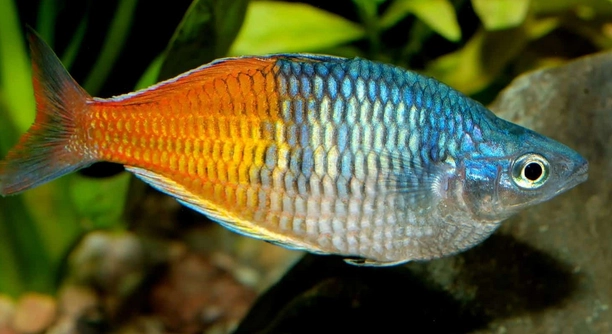
Rainbow fish are known for their vibrant colors and striking behavior. When you observe them swimming with flared gills, it may seem unusual or concerning. Understanding the reasons behind this behavior can offer insight into their needs and communication.
Rainbow fish flare their gills primarily as a display of dominance or to show aggression. This behavior often occurs during territorial disputes or when they feel threatened. It is a common method of communication among fish, signaling their readiness to defend their space.
Learning about this behavior will help you better understand your fish’s needs and how to manage their environment effectively.
Reasons for Flared Gills in Rainbow Fish
Flared gills in rainbow fish are a form of communication, often used to express territorial behavior or stress. When they feel threatened, they expand their gills as a sign of aggression. This helps them establish dominance in the tank and may deter other fish from approaching. Additionally, during the breeding season, males often flare their gills to attract females or assert their control over an area. Understanding this behavior is crucial for maintaining a peaceful aquarium environment. When multiple fish are competing for the same space or food, this display can be an early warning of potential conflicts.
Fish in tanks often experience stress due to overcrowding or poor water quality, which can lead to more frequent displays of flared gills. It’s important to ensure the tank size and water conditions meet the needs of the fish.
In some cases, the presence of aggressive tank mates can trigger this behavior as fish try to defend their territory. It’s essential to monitor interactions between fish closely to prevent harm or excessive stress. Ensuring that your tank is large enough and contains plenty of hiding spots can reduce the frequency of these aggressive displays. A properly balanced environment promotes harmony among your fish, reducing stress and territorial behavior.
How to Manage Territorial Behavior
To reduce territorial disputes, ensure your aquarium has enough space and hiding places for the fish. A well-structured tank layout can go a long way in minimizing conflict.
Regular maintenance, including water changes, helps maintain a healthy environment for your fish. Proper filtration and water quality contribute to reducing stress and ensuring rainbow fish live in a comfortable space.
How Stress Impacts Rainbow Fish
Stress is one of the main triggers for flaring gills. When rainbow fish feel threatened by overcrowding or poor water conditions, they react by displaying their flared gills. In some cases, this behavior can become more frequent, leading to further stress. It’s important to monitor their environment and adjust accordingly.
If water parameters such as temperature, pH, or ammonia levels are off, fish can experience increased stress. Fluctuations in these factors make fish feel unsafe and cause them to act out. Proper filtration is essential in keeping water clean and stable, reducing the risk of stress-related behaviors.
Adding too many fish to a tank can also create unnecessary pressure. Rainbow fish need space to swim and establish territories. If they don’t have enough space, the competition for food and shelter becomes intense, leading to aggression and stress. Maintaining a balanced population is crucial to keeping your fish calm and healthy.
Managing Aggression Among Tank Mates
Aggressive interactions between fish can also lead to flaring gills. Rainbow fish may flare their gills in response to more dominant or territorial species in the tank. Ensuring compatibility among species can help reduce aggression.
By choosing peaceful tank mates, you can prevent unnecessary territorial disputes. Additionally, providing enough hiding places and visual barriers will help all fish feel secure. A varied tank setup with plants, rocks, and driftwood creates an environment where fish can retreat to avoid conflict. This reduces the likelihood of flared gills due to aggressive encounters.
The Role of Diet in Fish Behavior
A poor diet can contribute to stress in rainbow fish. If they are not receiving proper nutrition, their health declines, and they may exhibit behaviors like flaring their gills. Ensuring they receive a balanced diet with the right nutrients is essential for their well-being.
Rainbow fish need a diet rich in protein, fiber, and essential vitamins. A mix of high-quality flakes, pellets, and occasional live food is ideal. Overfeeding or feeding improper foods can lead to obesity or poor health, exacerbating stress and aggression. Pay attention to portion sizes to avoid this.
Breeding and Flaring Gills
During breeding, male rainbow fish often flare their gills as a way to attract females. This display is a part of their courtship behavior, meant to show off their vibrant colors and dominance. It’s a natural and healthy part of their reproductive cycle.
Flaring gills during breeding is typically not a cause for concern. It’s the fish’s way of demonstrating their strength and readiness to mate. However, if aggression toward other males occurs, it can lead to injuries. Keeping an eye on these interactions is important for maintaining the health of your fish.
Maintaining Water Quality
Maintaining optimal water quality is key to keeping rainbow fish healthy. Ensure regular water changes and monitor ammonia, nitrite, and nitrate levels. This will help prevent stress and ensure that your fish remain calm.
FAQ
Why do rainbow fish flare their gills?
Rainbow fish flare their gills to communicate aggression or territorial behavior. It’s a natural response when they feel threatened by other fish or their environment. Males may also flare their gills during breeding to assert dominance or attract a mate. While flaring gills can sometimes indicate stress, it’s often a display of strength and confidence.
Can flaring gills harm rainbow fish?
In most cases, flaring gills does not harm rainbow fish. It is a natural and temporary behavior used to signal aggression or territorial claims. However, if the stress continues or aggression turns into fighting, it could lead to injury. Ensuring a peaceful tank environment can prevent these issues.
How can I reduce flaring behavior in my rainbow fish?
To reduce flaring, focus on minimizing stress factors in the tank. Provide enough space for each fish, avoid overcrowding, and offer hiding places to help them feel secure. Monitoring water quality is also essential to ensure fish aren’t reacting to poor conditions. Keeping compatible tank mates and maintaining a proper diet can also prevent excessive aggression.
Does flaring gills indicate illness in rainbow fish?
Flaring gills by itself is not necessarily a sign of illness. It’s mostly associated with territorial behavior, aggression, or courtship. However, if the behavior is accompanied by other symptoms like lethargy, loss of appetite, or abnormal swimming, it could indicate illness. In such cases, check the water quality and consider consulting a vet or aquatic expert.
Can rainbow fish live with other species without flaring their gills?
Rainbow fish can coexist peacefully with many other species if their environment is well-planned. Choose tank mates that are calm and non-aggressive. Fish like tetras, Corydoras, and small catfish are good companions. Avoid pairing them with overly territorial or aggressive species, as that can trigger flaring behavior.
Are rainbow fish territorial?
Yes, rainbow fish can be territorial, especially males during breeding periods. They may flare their gills or chase other fish away from certain areas they consider their space. However, their territorial behavior is generally less intense compared to other species, and with proper tank setup, they can live peacefully with other fish.
How do I know if my rainbow fish are stressed?
Aside from flaring gills, stressed rainbow fish may exhibit other signs, such as erratic swimming, hiding frequently, rubbing against objects, or changes in appetite. Stress can also be caused by poor water conditions, overcrowding, or incompatible tank mates. Regularly monitoring their behavior and tank environment can help detect stress early.
What is the ideal tank size for rainbow fish?
Rainbow fish thrive in larger tanks, ideally at least 30 gallons. A bigger tank provides more swimming space, reduces territorial disputes, and maintains stable water conditions. Larger tanks are also easier to maintain, ensuring the water quality remains optimal for all fish. The more space available, the less likely flaring behavior becomes an issue.
What kind of tank setup is best for rainbow fish?
Rainbow fish prefer tanks with plenty of swimming space, plants, and hiding spots. A combination of plants, rocks, and driftwood will allow them to feel safe and reduce stress. Keep the tank water well-filtered, with a gentle current, and avoid harsh lighting, as this can contribute to stress and aggression.
Do rainbow fish require special water conditions?
Rainbow fish do best in water that is slightly alkaline, with a pH level between 7.0 and 8.0. They also prefer moderately warm temperatures, usually between 75°F and 80°F (24°C to 27°C). Regular water changes, proper filtration, and monitoring for ammonia, nitrites, and nitrates are essential for maintaining healthy conditions.
Can rainbow fish be kept with other rainbow fish?
Yes, rainbow fish can live together, and it’s often recommended to keep them in groups of six or more. A group allows them to exhibit natural social behaviors and reduces stress. Males may display their flared gills during courtship or territorial disputes, but this behavior is usually less aggressive when they are in larger groups.
What can cause rainbow fish to lose their color?
Rainbow fish may lose some of their vibrancy if they are stressed, sick, or living in poor water conditions. Diet plays a significant role in their coloration, and providing a high-quality, varied diet can help maintain their bright hues. Stress from overcrowding, inappropriate tank mates, or poor water quality can also dull their colors.
How can I tell if my rainbow fish are mating?
When rainbow fish are mating, males often flare their gills, display their vibrant colors, and chase females around the tank. They may also swim in circles or perform specific courtship behaviors. If you notice these behaviors, it’s likely that the fish are in the breeding process. However, if aggression between males increases, it’s essential to monitor the situation.
Are rainbow fish sensitive to changes in their environment?
Rainbow fish can be sensitive to sudden changes in water temperature, pH, and other water parameters. Gradual changes are best when adjusting water conditions to avoid stressing the fish. They can also be affected by abrupt changes in their surroundings, such as moving to a new tank or adding new tank mates.
How often should I feed rainbow fish?
Rainbow fish should be fed 2-3 times a day in small amounts. They are omnivores and benefit from a varied diet that includes both plant-based and protein-rich foods. Overfeeding can lead to poor water quality and stress, so it’s important to provide only what they can consume in a few minutes.
Do rainbow fish need a heater in their tank?
Yes, rainbow fish require a heater in their tank to maintain stable water temperatures. A heater ensures the water stays within the 75°F to 80°F range, which is essential for their health and well-being. In cooler environments, a heater is especially important to avoid sudden drops in temperature.
Can rainbow fish live with live plants?
Rainbow fish can live with live plants, and in fact, plants are beneficial for their environment. They provide hiding spots, help maintain water quality, and create a more natural habitat. However, rainbow fish may nibble on certain types of plants, so choose hardy species that can withstand their activity.
Final Thoughts
Rainbow fish are fascinating creatures with unique behaviors, such as flaring their gills. This behavior is mostly natural, whether it’s for courtship or territorial display. Understanding the reasons behind flaring gills can help you determine if your fish are simply interacting with each other or if there’s an underlying issue causing stress. In most cases, flaring gills is not harmful, but it’s essential to monitor their behavior and environment to ensure that everything remains balanced.
Maintaining a peaceful environment is crucial to keeping rainbow fish healthy. They require adequate space, compatible tank mates, and a stable water environment to thrive. If aggression becomes too frequent, it may indicate overcrowding or an issue with the tank setup. Offering hiding places, plants, and ensuring that there’s enough room for each fish to establish its territory can go a long way in minimizing stress and flaring behavior. The goal is to make sure that your fish feel safe and secure in their surroundings.
Overall, rainbow fish are relatively low-maintenance compared to other species, but they still need attention to detail. A proper diet, clean water, and good tank conditions are vital. Keeping an eye on their behavior and making adjustments as needed will help your rainbow fish flourish. By ensuring their needs are met, you can enjoy watching them swim gracefully and interact peacefully with their environment. If flaring gills or other behaviors persist in a way that concerns you, it’s always worth consulting an expert to ensure the best care for your fish.

Hello,
If you enjoy the content that we create, please consider saying a "Thank You!" by leaving a tip.
Every little bit helps us continue crafting quality advice that supports the health, happiness, and well-being of pets around the world, for pets of all shapes, sizes, and species.
We really appreciate the kindness and support that you show us!