
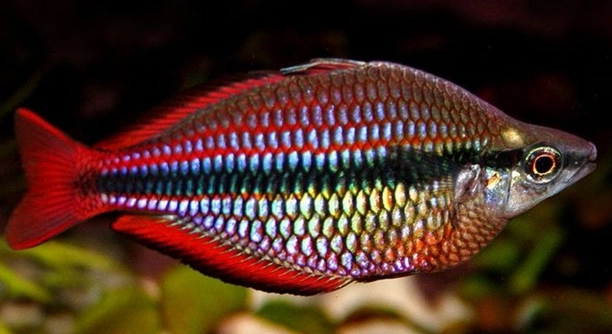
Rainbow fish are popular aquarium choices due to their vibrant colors and easy care. However, one aspect that often gets overlooked is the type of substrate they prefer in their tanks. This is an important consideration for keeping them healthy and comfortable.
Rainbow fish generally prefer smooth substrates, such as sand or fine gravel, as they provide a more comfortable environment. Rocky substrates can cause injury to their delicate bodies. It is best to mimic their natural habitat for optimal care.
Understanding the right substrate for your rainbow fish can help ensure they live a happy, healthy life in your aquarium.
Why Substrate Matters for Rainbow Fish
Choosing the right substrate is essential for the health of your rainbow fish. These fish are native to slow-moving rivers and streams, where they typically encounter sandy or fine gravel bottoms. When kept in aquariums, providing a similar substrate ensures they feel more at ease and reduces the risk of stress or injury. Smooth surfaces are less likely to irritate their sensitive skin and fins, making them feel more secure in their environment.
Rainbow fish are bottom dwellers, often sifting through the substrate for food. A smooth, fine substrate allows them to move freely without the discomfort of sharp or jagged rocks. This is especially important if your tank contains small, delicate fish, as rocky surfaces can easily cause damage.
While smooth substrates are recommended, it’s important to also ensure proper filtration in the tank. A well-filtered tank keeps the substrate clean, preventing any build-up of debris or waste, which could negatively affect water quality and the health of your rainbow fish.
The Impact of Rocky Substrates
Rocky substrates can create an uncomfortable environment for rainbow fish. Sharp edges can lead to physical injuries, especially on the soft underbelly of the fish. Over time, this stress can weaken their immune systems, leading to potential health issues.
Additionally, rocky surfaces don’t mimic the fish’s natural habitat, where they would find softer, finer materials. This mismatch can cause stress, making them less active and potentially less vibrant.
Though some aquarists use rocks for decorative purposes, it’s important to prioritize the well-being of the fish. If you choose rocks, ensure they are smooth and rounded to avoid injury.
Substrate and Water Quality
The type of substrate you choose impacts the water quality in your tank. Smooth, fine gravel or sand is easier to clean and doesn’t trap as much debris as rocky surfaces. Maintaining water quality is essential for the health of your rainbow fish, as poor water conditions can lead to stress and disease.
With rocky substrates, debris can get trapped in the crevices, making it harder to maintain clean water. Over time, organic waste can build up, leading to an increase in harmful toxins like ammonia and nitrites. This can be dangerous for your rainbow fish, so keeping the substrate clean is crucial. Using smooth substrates, paired with regular water changes, helps keep the tank environment healthy.
A smooth substrate also reduces the chances of dirt and waste accumulating in hard-to-reach places. This makes cleaning the tank much easier and ensures the water quality remains stable. It’s an easy way to support a healthy environment for your rainbow fish.
Natural Habitat Considerations
Rainbow fish naturally thrive in environments where substrates are gentle and offer soft bedding. Mimicking their natural habitat as closely as possible will reduce stress. Sand and fine gravel provide a similar feel to their native riverbeds, offering comfort and safety. This is especially important in aquariums.
When you recreate an environment similar to their wild habitat, rainbow fish tend to exhibit more natural behaviors. They feel safer and more at ease, which encourages healthy social interactions and vibrant coloration. A smooth substrate promotes an environment where they can graze and forage without the risk of injury. It’s not just about appearance; it’s about their well-being.
Substrates like fine sand also help maintain the overall aesthetics of your aquarium. They reflect light in a way that brings out the natural beauty of your rainbow fish, enhancing their colors. This can also help to highlight any plants or decorations in the tank.
Choosing Between Sand and Fine Gravel
When deciding between sand and fine gravel for your rainbow fish, it’s important to consider ease of maintenance. Both options are smooth and safe for the fish, but sand tends to compact more easily. Fine gravel allows for better water circulation and can be easier to clean.
Sand, while visually appealing, can trap debris more easily, making it harder to keep the water clean. However, it does mimic the riverbeds of their natural habitats more closely, offering the fish a familiar environment. Fine gravel is a bit easier to manage but still provides a safe and comfortable substrate for your rainbow fish.
The Role of Plants with Substrate
Plants play an important role in both the appearance and health of your aquarium. With smooth substrates like sand or fine gravel, plants can root more easily, adding natural beauty to your tank. Plants also help maintain water quality by absorbing excess nutrients and providing oxygen.
A well-planted tank will benefit both the fish and the overall ecosystem. The plants create hiding spots and add to the fish’s comfort, helping them feel secure. Additionally, plants can help reduce algae growth by competing for nutrients in the water, ensuring a healthier environment for your rainbow fish.
Maintenance Tips
Regular maintenance is key to keeping your substrate clean. Be sure to vacuum the substrate every week to remove debris and prevent waste from building up. This simple task helps ensure that harmful toxins don’t accumulate, maintaining a healthy environment for your rainbow fish.
FAQ
What is the best substrate for rainbow fish?
The best substrate for rainbow fish is smooth, fine gravel or sand. Both provide a soft and comfortable environment that is gentle on their delicate bodies. Smooth surfaces reduce the risk of injury, allowing rainbow fish to move freely without discomfort. Sand often mimics their natural habitat more closely, but fine gravel can also be a good choice as it is easier to maintain and clean. It’s essential to avoid sharp or jagged rocks, as these can harm the fish.
Can I use rocks for rainbow fish tanks?
While rocks can be used for decoration in a rainbow fish tank, they should be smooth and rounded. Sharp rocks can cause injury to the fish, particularly to their fins or underbellies. If you do choose to use rocks, make sure they are placed in a way that doesn’t create sharp edges that could harm your fish. Always prioritize the comfort and safety of the fish when deciding on the type of rocks.
How often should I clean the substrate in my aquarium?
Cleaning your aquarium substrate once a week is a good practice. During each water change, vacuum the substrate to remove debris and waste that can build up. This helps prevent the accumulation of harmful toxins such as ammonia and nitrites, which can negatively affect the health of your rainbow fish. Regular cleaning also helps maintain the overall appearance of the tank.
Is sand better than gravel for rainbow fish?
Both sand and fine gravel are suitable for rainbow fish, but they offer different benefits. Sand can create a more natural feel, mimicking riverbeds, and it is gentle on the fish. However, sand can become compacted and trap debris more easily, which can be harder to clean. Fine gravel allows for better water circulation and is generally easier to maintain. The choice depends on your preference and how much time you can dedicate to maintenance.
Do rainbow fish like plants in their tank?
Yes, rainbow fish benefit from having plants in their aquarium. Plants provide hiding spots and create a more natural, comfortable environment. They can also help reduce stress and promote healthy behavior. In addition, plants help improve water quality by absorbing excess nutrients, reducing algae growth, and producing oxygen. Both live and artificial plants are fine, but live plants tend to create a more balanced ecosystem.
What happens if I don’t clean my substrate?
If the substrate is not cleaned regularly, debris and organic waste will build up. Over time, this can cause a rise in harmful substances like ammonia and nitrites, which can lead to poor water quality. Poor water quality is stressful for your rainbow fish and can result in diseases or even death. Regular cleaning is essential for keeping your fish healthy and maintaining a clean environment.
How do I know if the substrate is causing harm to my rainbow fish?
If your rainbow fish are injured or showing signs of stress, such as rubbing against objects or being more lethargic than usual, it could be a sign that the substrate is causing harm. Jagged or rough surfaces can cause physical injury, and poor water quality from unclean substrates can stress the fish. Keep an eye on their behavior and appearance. Healthy rainbow fish are active and vibrant, so any significant change in their behavior should prompt a review of the tank’s setup.
Can I mix different types of substrate in the tank?
Yes, you can mix different types of substrate, but it’s essential to ensure they are compatible with the needs of your rainbow fish. For instance, you could have a layer of fine gravel with a thin layer of sand on top for aesthetic purposes. Just be sure that the materials are smooth and safe for your fish. Mixing substrates can also affect the tank’s filtration and cleaning process, so be mindful of how you manage maintenance.
Do rainbow fish need a specific tank temperature with their substrate?
Rainbow fish generally prefer water temperatures between 72-80°F (22-27°C), regardless of the substrate. However, maintaining a consistent temperature is crucial to their health, as large fluctuations can cause stress. The type of substrate doesn’t significantly affect the water temperature, but it can impact water quality, which, in turn, affects the overall environment. Make sure to monitor both water temperature and cleanliness for the best conditions.
How do I maintain a smooth substrate for rainbow fish?
To maintain a smooth substrate, you should regularly clean the tank and vacuum the bottom to remove debris. Avoid overfeeding your fish, as leftover food can settle in the substrate and lead to waste buildup. Use a gentle gravel vacuum to avoid disturbing the substrate too much. If using sand, you can occasionally stir it lightly to prevent compaction, but don’t do this too often, as it can disrupt the fish’s environment.
Final Thoughts
Choosing the right substrate for your rainbow fish is an important decision that directly affects their well-being. Rainbow fish are naturally found in slow-moving rivers where the substrate is soft and smooth, such as sand or fine gravel. By mimicking their natural habitat in your aquarium, you create a more comfortable and healthy environment for them. This reduces the risk of injury from sharp or jagged rocks and provides a space where they can freely explore, forage, and interact. Both sand and fine gravel are excellent choices as they help to maintain a clean tank and offer the softness rainbow fish need.
Water quality also plays a key role in maintaining a healthy tank. Smooth substrates like sand or fine gravel are easier to clean, which helps keep the water clear and free from harmful toxins. Trapped debris in rocky substrates can lead to poor water conditions, putting your rainbow fish at risk. Regular tank maintenance, including cleaning the substrate and performing water changes, is essential for preventing waste buildup and ensuring the health of your fish. Remember that a clean, well-maintained tank contributes not only to the physical well-being of the fish but also to their overall happiness and activity levels.
In the end, the choice between sand and fine gravel comes down to your personal preference and the amount of maintenance you’re willing to commit to. Both substrates offer benefits that cater to the needs of your rainbow fish, with fine gravel being slightly easier to maintain. However, sand does provide a more natural feel and can encourage healthier behaviors in your fish. Whichever substrate you choose, ensure it is smooth, safe, and easy to clean. With the right setup, your rainbow fish will thrive in a beautiful, stress-free environment.

Hello,
If you enjoy the content that we create, please consider saying a "Thank You!" by leaving a tip.
Every little bit helps us continue crafting quality advice that supports the health, happiness, and well-being of pets around the world, for pets of all shapes, sizes, and species.
We really appreciate the kindness and support that you show us!