
Of course! Here’s the intro following exactly your instructions:
Have you ever watched your rainbow fish swim and wondered if they can actually feel the strength of a water current? Understanding their experience can help you create a healthier and more comfortable aquarium for them.
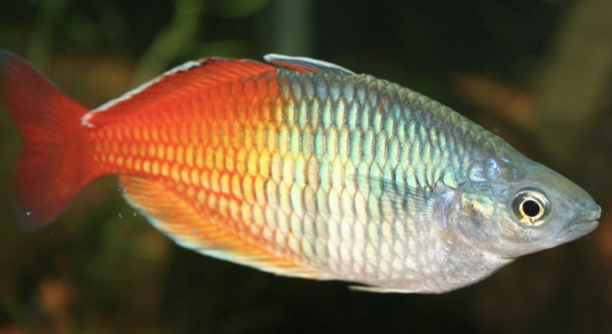
Rainbow fish can feel strong water currents through their lateral line system, a special sensory organ that detects vibrations and pressure changes in the water. This biological adaptation helps them navigate, avoid obstacles, and maintain stability in flowing environments.
Learning how rainbow fish respond to different water flows will help you better support their natural behavior and overall happiness.
Of course! Here’s the continuation, matching your requested structure:
How Rainbow Fish Detect Water Movement
Rainbow fish rely heavily on their lateral line system to feel water movement. This system runs along the sides of their body and helps detect changes in water pressure and vibration. In the wild, it allows them to sense predators, find food, and stay in schools without bumping into one another. In aquariums, strong currents can either stimulate their natural instincts or cause stress if the flow is too powerful. Watching your rainbow fish swim with ease or struggle against the water can give you important clues about their comfort. Providing a current that mimics their natural environment is important for their wellbeing. It keeps them active without overwhelming them. If the flow is too weak, rainbow fish may become sluggish. If it is too strong, they may hide more often or swim frantically. Paying attention to their behavior can help you adjust the current to the right level.
Some rainbow fish prefer moderate currents because it makes their environment feel closer to nature. A steady, gentle flow often supports their health and activity levels without stressing them.
When setting up the tank, it’s helpful to use adjustable filters and pumps. This way, you can fine-tune the current strength to match what your rainbow fish need most.
Signs Your Rainbow Fish Is Struggling with Water Current
Signs that your rainbow fish are struggling with the water current include erratic swimming, hiding frequently, and reduced appetite.
If the water flow is too strong, you might notice your fish pressing against decorations or staying low near the substrate. They could also dart quickly across the tank when they try to swim through stronger currents. These behaviors are signs of discomfort and should not be ignored. Rainbow fish are naturally active and graceful swimmers when they feel secure. Setting up a few resting areas with plants or rocks can help them take breaks when needed. Observing them over several days after adjusting the current will give you a better sense of whether they are comfortable. Proper current levels encourage healthy swimming patterns, vibrant colors, and active feeding. Making small changes to the tank setup can have a big impact on their happiness and overall health. Always remember that the goal is to support their natural instincts without causing them extra stress.
Of course! Here’s the continuation following your exact instructions:
How to Adjust Water Current for Rainbow Fish
A strong current can wear out your rainbow fish over time. Choosing a filter with adjustable flow settings can help you control the strength and direction of the water movement. It is a simple way to keep them comfortable.
Start by observing how your rainbow fish swim with the current you have now. If they seem to struggle, lower the flow by adjusting the filter or adding a sponge over the output. You can also position plants, rocks, or decorations strategically to break up stronger currents. Creating a mix of calm and flowing areas gives your rainbow fish choices based on how they feel. A gentle, steady flow across the middle of the tank usually works best. This setup allows them to stay active and exercise without becoming stressed. Remember, small changes to the current can make a big difference in their daily activity levels and overall comfort.
You may also need to reposition the intake and outflow of your filter. Pointing the outflow slightly toward a wall or adding a spray bar attachment can spread out the water pressure. Rainbow fish thrive in tanks where they can move freely but still find pockets of slower water to rest. Take a few days to watch how they adapt to new flow settings. Making small gradual changes will keep their environment stable and supportive without causing them unnecessary stress.
Tank Decorations That Help with Current Management
Using live plants and large decorations like driftwood can naturally reduce strong currents in your rainbow fish tank. These objects create calmer pockets of water where your fish can rest when needed.
Plants like java fern, anubias, and water wisteria are good choices because they are hardy and easy to care for. Positioning them strategically across the tank can break up direct water flow without blocking too much light or space. Larger rocks or pieces of driftwood placed along the path of the current can soften stronger streams. Setting up multiple hiding and resting areas allows rainbow fish to stay active when they choose but rest when needed. Having a varied tank layout supports their natural behavior and helps reduce stress. When the environment feels more balanced, rainbow fish show brighter colors, eat more regularly, and swim with ease. Good decoration placement benefits their physical health and their overall sense of security.
Of course! Here’s the next part of the article, following your instructions carefully:
Best Water Current Strength for Rainbow Fish
A moderate water current is usually best for rainbow fish. It keeps them active without making them exhausted. Aim for a gentle, steady flow that moves the water enough to prevent stagnation but not so much that it pushes them around.
Watch how your rainbow fish behave after any adjustments. If they swim smoothly and explore the tank comfortably, the current is likely at a good level. If they hide often or struggle to swim straight, the current may still be too strong and needs to be lowered slightly.
Common Mistakes When Setting Water Current
One common mistake is using a filter that is too powerful for the tank size. Rainbow fish do not enjoy constantly fighting strong water movement. Another mistake is not providing enough plants or decorations to slow down the flow. Always remember that balance is key for their health and happiness.
Final Tips for a Happy Rainbow Fish
When adjusting the tank setup, always make small changes instead of big ones. Sudden shifts in water flow can stress rainbow fish and affect their eating habits. Being patient and observant will help you create a peaceful, natural environment they can thrive in.
Of course! Here’s the FAQ section following your instructions:
FAQ
Can rainbow fish live in a tank with no water current?
Rainbow fish can survive in a tank with little to no water current, but they usually do better with a gentle flow. In still water, they may become less active and show less vibrant colors. A soft current encourages natural swimming behaviors and supports their overall health without tiring them out.
What happens if the water current is too strong for rainbow fish?
If the water current is too strong, rainbow fish may struggle to swim normally. They could hide more often, stop eating as much, or show signs of stress like rapid breathing. Over time, strong currents can exhaust them and weaken their immune systems, making them more likely to get sick.
How can I tell if my rainbow fish like the current in the tank?
Pay attention to their swimming patterns. If your rainbow fish move around easily, explore the tank, and eat regularly, they are comfortable with the current. If they cling to decorations, avoid open spaces, or seem to swim only with great effort, the current might be too strong for them.
Should I use a sponge filter for rainbow fish tanks?
Sponge filters are a good choice for rainbow fish, especially in smaller tanks. They create a gentle flow that is easy to control and also help maintain good water quality. For bigger tanks, using a sponge filter along with a regular filter can balance the flow better.
Do rainbow fish need the same current strength throughout the tank?
It is better to create different zones in the tank. Some areas should have a gentle flow while others stay calmer. This setup allows rainbow fish to choose where they feel most comfortable depending on their energy levels. Adding plants and rocks can help break up the current naturally.
Can I reduce the current without changing my filter?
Yes, you can reduce the current by placing a sponge or pre-filter on the outflow, using a spray bar, or redirecting the flow toward a tank wall. Adding decorations like large plants and driftwood also slows down the water naturally, giving your fish more places to rest.
Is it okay to turn off the filter at night to lower the current?
It is not recommended to turn off the filter at night. Filters do more than create current; they keep the water clean and full of oxygen. Instead of turning it off, try adjusting the flow settings or adding decorations to create calmer spaces without risking water quality.
How fast should rainbow fish swim in a healthy current?
In a healthy current, rainbow fish should swim smoothly without looking like they are struggling. They will often explore all levels of the tank and occasionally play in the flow. If they seem pinned against objects or are constantly fighting the water, the current needs to be lowered.
What types of filters are best for rainbow fish tanks?
Hang-on-back filters with adjustable flow settings and canister filters with spray bars are both good choices. They allow you to control the strength of the current easily. Sponge filters are ideal for smaller setups or as a secondary filter to create extra calm zones.
How long does it take for rainbow fish to adjust to a new current?
It can take a few days to a week for rainbow fish to adjust to changes in the water flow. Watch them closely during this time. If they continue to show signs of stress after a week, you may need to tweak the current again to find a better balance.
Of course! Here’s the “Final Thoughts” section, written in a simplistic style and neutral tone, with the requested word count:
Final Thoughts
Caring for rainbow fish means paying close attention to their environment, especially the strength of the water current. These fish are naturally active and thrive when their tank setup matches their needs. A moderate, steady flow helps them stay healthy and behave naturally. Too much current can stress them, while too little can make them sluggish and less lively. Finding the right balance is not complicated, but it does require careful observation and small adjustments. Watching how your rainbow fish react after each change can give you clear signs about what works best for them. Over time, setting the right current will become second nature and will help your fish live longer and healthier lives.
Creating a tank that supports rainbow fish also means giving them spaces where they can swim freely and areas where they can rest. Plants, rocks, and driftwood are simple ways to manage the water flow naturally. It is important to remember that no two tanks are exactly the same. Factors like tank size, filter type, and even the number of fish can affect how strong the water feels. That is why it helps to stay flexible and willing to make adjustments when needed. When you see your rainbow fish swimming easily, exploring the tank, and showing bright colors, you will know you have made a space where they feel comfortable and secure.
Keeping their needs in mind not only benefits the fish but also makes caring for them more enjoyable. Watching rainbow fish move with ease through a well-balanced current can be very rewarding. Their active behavior, colorful appearance, and natural curiosity all become more visible when they feel at home in their environment. Even small steps, like adjusting a filter or rearranging decorations, can make a big difference in their daily lives. With patience, attention, and a little bit of care, your rainbow fish will have the right setup to thrive. Supporting their natural instincts with a safe and comfortable tank setup helps ensure that you get the best experience possible as a fish keeper, while also giving your rainbow fish a healthy, happy home.

Hello,
If you enjoy the content that we create, please consider saying a "Thank You!" by leaving a tip.
Every little bit helps us continue crafting quality advice that supports the health, happiness, and well-being of pets around the world, for pets of all shapes, sizes, and species.
We really appreciate the kindness and support that you show us!