
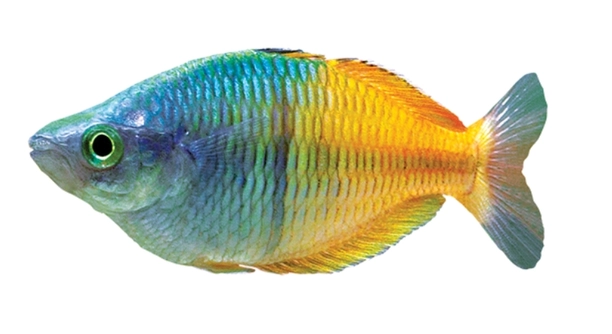
Rainbow fish are known for their vibrant colors and playful nature, but they also have curious personalities that make them stand out. Their curiosity can be seen in various behaviors as they explore their surroundings.
Rainbow fish exhibit curiosity in several ways, from interacting with their environment to showing interest in other creatures. They often investigate new objects in their tank and seem to enjoy learning about changes in their habitat.
This article will highlight seven key ways rainbow fish express curiosity, from their swimming patterns to their reactions to new additions in their environment. Understanding these behaviors can deepen our appreciation for these fascinating fish.
Investigating New Objects
Rainbow fish are naturally curious creatures. They often seem to notice any changes in their environment, especially when new items or decorations are added to their tank. The first thing they do is swim around these new objects, inspecting every angle. This behavior shows their eagerness to understand what’s around them. Even small changes, like a shift in water flow or the addition of plants, can trigger this investigation.
They approach new items cautiously, but they aren’t afraid to explore. Sometimes, they will swim close, then retreat, as if taking time to evaluate their surroundings. Over time, they get more comfortable and start to interact with the new additions. The constant exploration helps them feel secure in their environment.
As they inspect their surroundings, rainbow fish show how important curiosity is to their daily routine. Their interactions with new objects can also be a way for them to claim space or mark their territory. They are social creatures, and knowing what’s in their space gives them a sense of control.
Interaction with Other Fish
When it comes to their tank mates, rainbow fish also display curiosity. They are known to observe other fish closely, often following them around to understand their behaviors. This can be particularly noticeable when a new fish is introduced into the tank. Rainbow fish will swim up to them, sizing them up before deciding whether to interact.
In their interactions, rainbow fish tend to be peaceful but interested. They aren’t typically aggressive, but they will often swim alongside new fish or move in patterns that mimic them. This curiosity helps them learn more about the other fish’s movements, habits, and even feeding patterns. It’s all part of how they adapt to the social dynamics of the tank.
Their natural curiosity can also lead to playful interactions, as they often swim in a back-and-forth motion with other fish. This type of social curiosity can be very engaging to observe. It’s a reminder that even in a controlled environment like a tank, rainbow fish continue to learn and connect with one another.
Responding to Tank Changes
Rainbow fish are sensitive to changes in their tank environment, often reacting by exploring new areas or adjusting their swimming patterns. They quickly notice changes like a shift in water temperature, a new filter, or altered water levels. These changes spark their curiosity, leading them to investigate immediately.
When the water temperature changes, rainbow fish might move to areas with better conditions, showing their ability to adapt. Similarly, when objects in their tank are moved, they tend to explore those spots as if trying to figure out how the layout affects them. This behavior reflects their curiosity about their environment’s stability.
Even minor adjustments, such as changes in water movement or light levels, can prompt them to investigate. This responsiveness shows how curious rainbow fish are, constantly looking for new information. It’s a reminder that even small changes in their habitat can catch their attention, making them feel more engaged and connected.
Investigating Their Own Reflection
Rainbow fish will often be intrigued by their own reflection in the tank glass. At first, they may swim up to the glass cautiously, peering at the “other” fish. Over time, they’ll spend more time examining their reflection, sometimes even acting as though they’re encountering a new tank mate.
This behavior can be both amusing and informative. Rainbow fish may try to interact with their reflection, swimming in circles or flashing their vibrant colors. This is a way of understanding what’s in their environment. They might not recognize themselves, but their curiosity leads them to investigate the movements of the reflection.
Interestingly, they often become less curious about their reflection after some time. As they realize it’s not a real fish, the initial fascination fades. However, this period of intense interest highlights their instinctive need to explore everything around them, even if it’s just their own image in the glass.
Exploring the Tank Bottom
Rainbow fish will often explore the bottom of the tank, where they can find food, plants, or new textures. This part of their environment offers a different perspective, so their curiosity leads them to search for things they might have missed at the surface.
They will swim along the substrate, sometimes pecking at the gravel or sand to investigate any hidden morsels. This behavior shows their instinct to explore every level of their environment. Even when the tank seems familiar, their curiosity pushes them to look at the lower areas, keeping their environment interesting and engaging.
By searching the bottom, rainbow fish stay active and engaged with their surroundings. This habit also helps them discover any small changes in the tank, like the growth of new plants or the presence of new detritus. Their curiosity is always driving them to explore every corner.
Swimming Through the Plants
Rainbow fish enjoy swimming through the plants in their tank, and their curiosity plays a big part in this. They will swim around and between leaves, often pausing to inspect the plants or any creatures hiding within.
Their time spent in plants isn’t just for play; it’s part of their natural curiosity to explore the nooks and crannies of their environment. By swimming through plants, rainbow fish can also find food or shelter, adding an extra layer to their exploration.
Checking Tank Conditions
Rainbow fish regularly check the water conditions around them, always adjusting their behavior based on what they feel. When the water quality is different, they show more interest in certain areas, swimming to regions that suit them best. This constant adjustment reflects their curiosity about their surroundings.
FAQ
Why do rainbow fish constantly swim around their tank?
Rainbow fish are naturally curious, and swimming around their tank allows them to explore their surroundings. They move to check for new objects, investigate their environment, and even observe tank mates. This swimming behavior is a form of active exploration that keeps them engaged and healthy. By moving constantly, they are able to stay alert and aware of any changes in the tank, ensuring their comfort and safety. It’s a sign of a curious and healthy fish, as they prefer environments where they can keep moving and stay active.
Do rainbow fish interact with their reflection?
Yes, rainbow fish are often curious about their own reflection. They may swim up to the glass, staring at themselves for long periods. At first, they might seem confused or intrigued, as they do not recognize that it’s their own image. They may try to interact, swimming around or flashing their colors, thinking they are encountering another fish. Over time, they lose interest as they realize it’s not a real tank mate. This behavior is part of their natural curiosity and exploration, showing that they are constantly trying to understand what’s around them.
How do rainbow fish react to changes in the tank?
Rainbow fish are highly responsive to changes in their tank environment. Whether it’s a new plant, a shift in water conditions, or a change in the placement of objects, rainbow fish will typically inspect these changes right away. They’ll swim around, sometimes cautiously, to understand the new layout or conditions. Their behavior may adjust, as they explore the new changes in depth. This is a sign that they are curious creatures, and even small modifications in their environment spark their interest and get them moving.
What makes rainbow fish so curious?
Rainbow fish are naturally curious due to their instincts as active swimmers and explorers. In the wild, their curiosity helps them find food, shelter, and new areas to explore. In a tank, their curiosity is directed toward understanding their environment, interacting with other fish, and investigating any changes. Their vibrant colors and playful nature make them constantly look for things to engage with, which is why they are always on the move. Their behavior is driven by their need to explore and keep their environment interesting and safe.
Do rainbow fish explore the bottom of the tank?
Yes, rainbow fish often explore the bottom of the tank, especially in search of food. They are very thorough in examining all areas of their environment, including the substrate. This curiosity drives them to swim along the bottom, where they may search for small pieces of food or investigate the plants or decorations there. Even if the bottom seems calm, rainbow fish will continue to explore it regularly, looking for new discoveries. This exploration also helps them get familiar with the tank’s layout, making them feel more comfortable and secure.
How can I satisfy the curiosity of my rainbow fish?
To satisfy the curiosity of rainbow fish, it’s important to provide a stimulating environment. Adding new decorations, plants, or objects to the tank can catch their attention and encourage exploration. You can also vary their feeding schedule, providing different types of food to keep them engaged. Regularly changing the layout of the tank or introducing new tank mates can also keep them curious and active. Rainbow fish love having something new to explore, so keeping their environment dynamic will ensure they stay entertained and healthy.
Are rainbow fish social?
Yes, rainbow fish are social creatures and enjoy being around other fish. Their curiosity extends to their interactions with tank mates, as they often observe and sometimes follow other fish. They are peaceful and non-aggressive, and they prefer to be in groups, which helps fulfill their social needs. By swimming together and exploring their tank with others, rainbow fish maintain a sense of safety and security. Their social nature is often enhanced by their curiosity, as they are always interested in what other fish are doing.
Do rainbow fish care for their young?
Rainbow fish do not show parental care for their young in the traditional sense. After spawning, the female will lay eggs, which the male fertilizes. Once the eggs hatch, the fry are left to fend for themselves. However, rainbow fish may still show curiosity towards their offspring, but they won’t protect or care for them. The fry are independent from the moment they hatch, and it’s up to the environment to provide them with the conditions they need to grow.
What is the best environment for rainbow fish?
Rainbow fish thrive in well-planted tanks with plenty of open swimming space. They enjoy a stable environment with clean, well-filtered water. The ideal water conditions include slightly acidic to neutral pH, and a temperature range of 72-79°F (22-26°C). Adding plants, rocks, and driftwood helps create a more natural environment that satisfies their curiosity. They also appreciate having other rainbow fish or peaceful species as tank mates. Providing them with both areas to swim freely and hide when needed will encourage their curiosity and overall well-being.
Final Thoughts
Rainbow fish are fascinating creatures that show an incredible amount of curiosity. Whether it’s swimming around the tank, investigating new objects, or interacting with their tank mates, their constant exploration keeps them active and healthy. Their behavior is driven by a natural instinct to understand their environment, which is an important part of their well-being. The more you observe them, the more you realize how much personality they have, often making them seem like they are always on the lookout for something new.
As curious as they are, rainbow fish do best in a stimulating and ever-changing environment. Adding new plants, decorations, or even introducing new tank mates can keep them engaged and help fulfill their curiosity. They thrive when there is something for them to explore, whether it’s a new object or a shift in the tank’s setup. Regular changes in their environment can provide a level of mental stimulation that is important for their happiness. Keeping their habitat dynamic will allow them to keep exploring, something they do naturally, keeping their behavior lively and interesting.
In the end, understanding how rainbow fish express their curiosity helps us appreciate their unique nature. Their constant exploration is a sign of how connected they are to their surroundings. By maintaining an environment that encourages this behavior, you’re giving them a space where they can be active, healthy, and engaged. Whether they are swimming through plants or investigating a new reflection, their curious nature is part of what makes them such captivating fish to keep in an aquarium.

Hello,
If you enjoy the content that we create, please consider saying a "Thank You!" by leaving a tip.
Every little bit helps us continue crafting quality advice that supports the health, happiness, and well-being of pets around the world, for pets of all shapes, sizes, and species.
We really appreciate the kindness and support that you show us!