
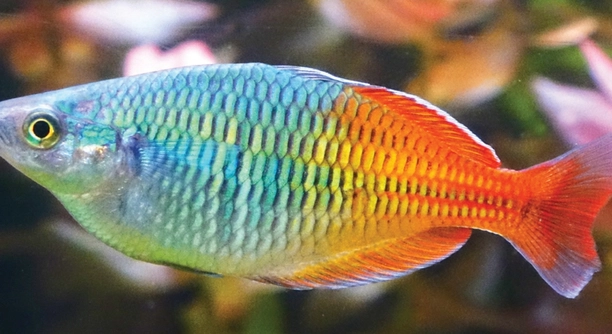
Rainbow fish are known for their vibrant colors and peaceful nature, making them a favorite among aquarium enthusiasts. Many aquarium owners seek to provide the best environment for these fish, but are curious about the impact of waterfalls in their tanks.
Rainbow fish generally do not require waterfalls in their tanks. While they enjoy calm waters, the addition of a waterfall can help with aeration and water movement, which may benefit some species, depending on the tank’s size and setup.
Understanding how different water conditions affect your rainbow fish will ensure they thrive in their tank. Keep reading to learn more about the role of water movement and how to maintain the best environment for your fish.
How Waterfalls Affect Rainbow Fish
Waterfalls can create a striking visual effect in your aquarium, but their impact on your rainbow fish might not be as beneficial as you think. Rainbow fish, unlike certain species that prefer strong currents, thrive in calm water with minimal disturbance. While waterfalls can add oxygen to the tank, too much water movement can stress these delicate fish. When considering a waterfall, it’s important to look at the overall setup of your tank. If your tank has strong filtration and natural water movement, a waterfall may not be necessary.
Some rainbow fish, especially those from slower-moving streams and rivers, feel more at ease in peaceful environments. It’s important to consider their natural habitat when setting up your aquarium. A slow-flowing water filter might be enough to mimic the conditions they enjoy. However, in some cases, introducing gentle water movement can help stimulate their natural behaviors, like foraging and schooling, without causing too much stress.
The key is balance. If you’re determined to have a waterfall, try to position it in a way that doesn’t create strong currents. You can place it in a corner where the water movement won’t disrupt the peaceful environment your fish need. Monitoring their behavior will be a good indicator of whether the waterfall is helping or causing unnecessary stress.
Benefits of Water Movement for Rainbow Fish
A slight current can help keep the water oxygenated and reduce stagnant areas. This can be helpful for your tank’s overall health.
Rainbow fish benefit from moderate water movement as it simulates the gentle currents found in their natural environments. In the wild, they often inhabit slow-moving streams and shallow waters, where subtle changes in the water flow help provide oxygen and encourage natural behaviors. If your aquarium is relatively still, adding gentle water movement can improve the health of both your fish and the tank ecosystem. While it’s not necessary to have a waterfall to achieve this, using a sponge filter or a slow-flowing powerhead can mimic the gentle currents found in their native habitats.
Carefully consider the strength of the water flow. Too much movement can stress the fish, making them feel threatened or uneasy. It’s important to monitor their behavior closely. If your rainbow fish start hiding or staying near the tank’s calm areas, it might be time to adjust the current.
Understanding the Natural Habitat of Rainbow Fish
Rainbow fish come from areas with calm waters, such as shallow streams, lakes, and rivers. They prefer slow-moving currents, where they can swim without much resistance. Their natural habitats typically offer gentle water flow, which provides the perfect balance of oxygen and stability for them to thrive.
These fish are not suited for fast-moving water like some other species, which need strong currents to simulate their native environments. Instead, rainbow fish do best in tanks with soft water movement, which can be created using sponge filters or low-flow water pumps. This setup replicates their natural conditions, helping them feel more comfortable and reducing stress. If the water is too turbulent, it may disrupt their peaceful nature and cause unnecessary strain. Understanding this aspect of their environment is crucial in maintaining a healthy tank for your rainbow fish.
How to Set Up Your Aquarium for Rainbow Fish
Creating a balanced tank for rainbow fish requires careful attention to water flow. It’s essential to avoid strong water movement from devices like large powerheads or powerful filtration systems. Instead, focus on using equipment designed to create soft, consistent water movement. A gentle sponge filter or a small corner filter can offer sufficient aeration without overpowering the fish. In addition, consider adding plants and decorations that can help break up the current and create pockets of calm water. This will provide your rainbow fish with places to rest and swim more freely. Keeping the tank’s water quality stable with regular maintenance is equally important for their health and comfort.
Signs That the Water Flow is Too Strong for Rainbow Fish
Rainbow fish will show signs if the water flow is too intense for them. They may become lethargic, spend more time near the tank’s calmer areas, or swim erratically. If you notice these behaviors, it’s a good indication that the current needs adjusting.
You may also see them hiding more than usual, or they could try to swim against the current. In more extreme cases, the fish may appear stressed or lose their vibrant colors. If these symptoms occur, it’s essential to reduce the water movement to make them feel more comfortable.
Adjusting Water Flow for Rainbow Fish
To reduce water flow, try adjusting the filter settings or using a flow control valve. Another option is to switch to a smaller filter that doesn’t produce as much current. You can also place tank decorations, such as plants or rocks, to help break up the flow. This creates calmer zones for your fish to rest. By making small adjustments, you can ensure your rainbow fish are living in an environment that feels natural and comfortable for them.
Monitoring Water Temperature and Conditions
Keep the water temperature in check, as rainbow fish prefer temperatures between 72-78°F. This ensures they stay healthy and active.
FAQ
Do rainbow fish need strong water currents?
Rainbow fish typically do not require strong water currents. They are more comfortable in tanks with gentle or moderate water flow, which mimics the calm conditions of their natural habitats. In the wild, they are found in slow-moving streams and shallow areas, where the water isn’t too turbulent. Strong currents may cause stress and prevent them from swimming normally, making them feel vulnerable. If you do have a strong filter or current in your tank, consider reducing the flow or placing obstacles in the tank to break up the current.
Can I use a waterfall in my rainbow fish tank?
Using a waterfall in a rainbow fish tank can be tricky. While it can add oxygen to the water and create an interesting visual effect, it may not be ideal for rainbow fish if the flow is too strong. These fish prefer calm or slightly moving water, so it’s important to ensure the waterfall does not create too much disturbance. If you decide to add a waterfall, try to place it in a location where the current will be minimized. You can also use flow control devices to adjust the strength of the water movement.
How can I ensure my rainbow fish are not stressed?
To avoid stress in rainbow fish, it’s essential to maintain stable water conditions. Ensure the water temperature is kept between 72-78°F and that the pH is slightly alkaline (around 7.0-8.0). Water movement should be gentle, with no strong currents or turbulent areas. Additionally, avoid overcrowding the tank, as too many fish in one space can cause stress. Provide plenty of hiding spots and plants where they can retreat when needed. Regular maintenance, like cleaning the tank and changing water, will also contribute to a healthy environment.
What are the best tank mates for rainbow fish?
Rainbow fish are peaceful and typically do well with other non-aggressive species. Good tank mates include other peaceful fish, such as tetras, guppies, and Corydoras catfish. It’s best to avoid keeping them with large, aggressive fish that may intimidate or harm them. The key is choosing species that share similar water and temperature requirements. Be sure to research the temperament of potential tank mates to ensure compatibility.
How do I know if my rainbow fish are healthy?
Healthy rainbow fish are active, swim freely, and show vibrant colors. They should not appear lethargic or spend excessive time hiding. If a rainbow fish is stressed or ill, it may lose its bright colors and become more subdued. Check for signs of disease such as abnormal swimming, damaged fins, or abnormal growths on their bodies. Healthy fish also have clear, bright eyes and smooth, unblemished scales. Regular water tests for ammonia, nitrite, and nitrate levels can help maintain optimal water conditions, which is crucial for their health.
What should I feed rainbow fish?
Rainbow fish are omnivores and will thrive on a balanced diet of high-quality flake food, pellets, and frozen or live foods such as brine shrimp, bloodworms, and daphnia. Offering a variety of foods ensures they get all the necessary nutrients. You can also include some vegetable matter, like blanched spinach or algae wafers, to keep them healthy. Be sure to feed them small amounts multiple times a day rather than one large feeding to prevent overfeeding and water quality issues.
How often should I clean the rainbow fish tank?
Regular maintenance is important for keeping your rainbow fish healthy. Perform partial water changes (about 25-30%) every week or two to keep water quality high. Clean the filter regularly, but avoid cleaning it too thoroughly to preserve the beneficial bacteria. Remove any uneaten food and debris from the tank to prevent water pollution. Check the substrate and decorations for any buildup of waste, and clean them as needed. Regular water testing is also recommended to keep an eye on water parameters such as ammonia, nitrites, nitrates, and pH.
Do rainbow fish need a lot of space in the tank?
Rainbow fish are active swimmers and require plenty of space to thrive. A tank of at least 30 gallons is recommended for a small group of rainbow fish. The more space you provide, the better it will be for their health and behavior. They do best when kept in groups of 6 or more, which reduces stress and encourages natural schooling behavior. A larger tank also allows for better water stability and filtration, which are crucial for maintaining a healthy environment.
Can I keep different types of rainbow fish together?
Yes, different types of rainbow fish can typically live together in the same tank. However, it’s important to ensure that they are compatible in terms of size, temperament, and water requirements. Some species may be more dominant than others, so providing plenty of hiding spots and visual barriers can help prevent territorial behavior. Mixing species like the Boeseman’s rainbow and the dwarf rainbow can add variety to your tank, as long as the water parameters are suitable for all species involved.
What are common health problems for rainbow fish?
Rainbow fish can be susceptible to common aquarium diseases such as ich, velvet disease, and fin rot. Signs of illness include faded colors, clamped fins, abnormal swimming, or visible lesions. Keeping the tank clean, maintaining stable water conditions, and feeding a balanced diet can help prevent many health issues. If you notice signs of illness, it’s important to separate the sick fish to prevent the spread of disease and treat the condition promptly.
Final Thoughts
When it comes to setting up a tank for rainbow fish, it’s important to consider their natural preferences. These colorful fish thrive in calm water with gentle movement, making them sensitive to strong currents or turbulent environments. A slow-moving filter or a sponge filter can provide enough aeration while keeping the water calm. While waterfalls might seem appealing, they should be used carefully, as the strong flow can stress rainbow fish. Instead, you can focus on creating a peaceful environment that mimics their natural habitat. This includes monitoring water temperature, water quality, and making adjustments as needed.
Maintaining a healthy tank for your rainbow fish isn’t just about the water flow. Regular water changes, proper filtration, and a balanced diet are also key to ensuring your fish stay healthy and happy. Rainbow fish are relatively easy to care for, but they do best in stable environments with appropriate water conditions. By monitoring things like water temperature, pH, and ammonia levels, you can create a thriving tank for your fish. Remember, rainbow fish are social creatures that enjoy the company of their own kind, so it’s a good idea to keep them in groups to reduce stress.
Ultimately, the health and well-being of your rainbow fish depend on how well you can replicate their natural environment. While a waterfall can add beauty to your aquarium, it’s essential to consider the effects on water flow before making any changes. Keep an eye on their behavior and adjust the setup to keep them comfortable. Providing a calm, well-maintained tank will help your rainbow fish live long, happy lives, adding vibrancy and peace to your aquarium. With the right care, these stunning fish will continue to brighten up your tank for years to come.

Hello,
If you enjoy the content that we create, please consider saying a "Thank You!" by leaving a tip.
Every little bit helps us continue crafting quality advice that supports the health, happiness, and well-being of pets around the world, for pets of all shapes, sizes, and species.
We really appreciate the kindness and support that you show us!