
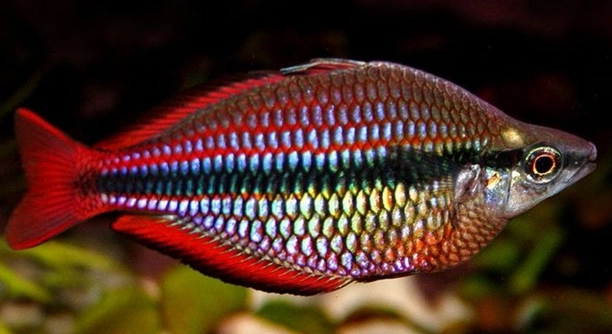
Rainbow fish are known for their vibrant colors and active behavior in aquariums. They thrive in clean, well-maintained tanks, making it important to consider how they interact with their environment. Can they detect when their tank is dirty?
Rainbow fish are sensitive to water quality and can detect changes in their environment, including dirty tanks. They may show signs of stress, such as reduced activity, faded colors, or erratic swimming patterns, when exposed to poor water conditions.
Understanding how rainbow fish respond to tank cleanliness is crucial for maintaining their health. Ensuring a clean, stable environment will help them thrive and display their natural beauty.
How Dirty Water Affects Rainbow Fish
Rainbow fish are sensitive to changes in water quality. If the tank becomes dirty, the water can turn cloudy and accumulate harmful substances like ammonia and nitrites. These compounds are toxic to fish, leading to stress and illness. Additionally, the buildup of algae can block oxygen exchange in the water, making it harder for rainbow fish to breathe. Dirty water also prevents the natural balance of beneficial bacteria that help break down waste, creating an unhealthy environment. In some cases, if the tank remains dirty long enough, it can shorten the lifespan of rainbow fish.
Without a clean tank, rainbow fish can become lethargic, display faded colors, or swim erratically. These signs show that the fish are stressed and uncomfortable in their environment. If left unchecked, prolonged exposure to dirty water may weaken the immune system of the fish, making them more susceptible to diseases.
Maintaining water quality is essential for the overall health of your rainbow fish. Regular water changes and proper filtration are key to ensuring the water remains clear and free from toxins. Regularly checking water parameters such as pH, hardness, and temperature can also help prevent issues that may arise from dirty water. If you notice any signs of distress in your fish, it’s crucial to address the tank’s cleanliness quickly.
What Happens to Rainbow Fish in Dirty Water?
Even minor changes in water quality can have significant effects on rainbow fish. Poor water conditions can cause fish to lose their bright colors and appear dull. If the water continues to deteriorate, they may experience breathing difficulties and become more vulnerable to illness.
A dirty tank may lead to the accumulation of organic waste, creating an environment where harmful bacteria thrive. These bacteria can make rainbow fish sick and lead to skin infections. It is important to maintain a regular cleaning routine to avoid such problems. Proper tank filtration, removal of debris, and occasional water changes will help keep harmful bacteria at bay. Keeping the tank clean ensures that rainbow fish have a healthy, stress-free environment.
How to Recognize Stress in Rainbow Fish
When the tank isn’t clean, rainbow fish will start showing signs of stress. This could include swimming erratically or staying in one spot for too long. They may also stop eating, a clear sign that something’s wrong in their environment.
A stressed rainbow fish may also lose its vibrant colors, appearing dull or pale. Their fins might clump together, and they may appear bloated or overly thin, depending on the level of stress. Monitoring your fish closely will help you identify these early signs. If the stress persists, it can lead to more serious health problems, including infections.
Additionally, rainbow fish under stress are more likely to fight with each other, as they become agitated and unable to cope with poor tank conditions. The fish may also become more sensitive to any changes in the water temperature or lighting, further impacting their well-being. Regularly checking their behavior and appearance can help prevent long-term damage.
The Importance of Regular Tank Maintenance
Regular tank maintenance is crucial for keeping your rainbow fish healthy. Without it, harmful substances like ammonia, nitrites, and nitrates can build up quickly. Even if you’re using a filter, these toxins can still accumulate over time, especially if the tank is overcrowded or if too much food is being given.
Cleaning the tank and doing partial water changes every week helps maintain a healthy balance. It’s also important to vacuum the substrate to remove any leftover food or waste that can decay. A clean tank not only helps your rainbow fish but also keeps the plants and other aquarium inhabitants thriving. By removing debris, you are preventing the growth of harmful bacteria and algae that can harm your fish.
Maintaining the proper water chemistry is essential as well. Keeping the pH, hardness, and temperature within the right range ensures that your rainbow fish can live comfortably. Regular checks will let you know if any adjustments need to be made to keep the water stable. It’s better to be proactive than wait until the tank has issues.
How Filtration Plays a Role in Tank Cleanliness
A good filtration system is essential for maintaining a clean tank. Filters help remove debris, excess food, and waste from the water. This keeps the water clear and reduces the buildup of harmful chemicals. Without proper filtration, water quality will deteriorate quickly.
Filters also help maintain the balance of beneficial bacteria in the tank. These bacteria break down waste products, preventing harmful spikes in ammonia and nitrites. When the filtration system isn’t working well, these compounds can accumulate and harm your rainbow fish. Regular maintenance and cleaning of the filter will ensure it operates efficiently and keeps the tank clean.
How to Properly Clean Your Tank
Cleaning your tank involves more than just changing the water. First, remove any visible debris, such as leftover food or dead plants. Use a gravel vacuum to clean the substrate and avoid stirring up harmful bacteria. Clean the decorations and filter regularly to ensure everything stays in top shape.
Water changes should be done weekly to keep things fresh. Replace about 20-30% of the water each time, as this helps remove toxins and prevents algae growth. While cleaning, always check the water temperature to avoid shocking your fish. This routine will help keep your tank clean and your rainbow fish healthy.
Tank Size and Its Impact on Cleanliness
The size of your tank affects how easy it is to maintain cleanliness. Smaller tanks can get dirty quickly because there’s less water to dilute waste. In a small tank, toxins can build up faster, making it harder to maintain proper water quality.
Larger tanks provide more space for water filtration and waste dilution, reducing the frequency of water changes. However, larger tanks still require regular cleaning and maintenance to prevent problems. Whether your tank is small or large, consistent upkeep is the key to keeping the water clean and your rainbow fish healthy.
FAQ
Can rainbow fish live in dirty water?
Rainbow fish are quite sensitive to water quality. Dirty water can lead to stress and a weakened immune system, making them more susceptible to diseases. While they can survive for short periods in less-than-ideal conditions, it’s essential to maintain clean water for their health. Prolonged exposure to dirty water can lead to color fading, reduced activity, and even premature death.
How often should I change the water in my rainbow fish tank?
Water changes should be done weekly, replacing about 20-30% of the water. This helps keep the water clean and reduces the buildup of harmful toxins like ammonia, nitrites, and nitrates. Regular water changes prevent algae growth and ensure your rainbow fish have a healthy environment to thrive in. If you notice any signs of poor water quality, such as cloudy water or foul smells, it’s a good idea to do a water change sooner.
What are the best filtration systems for rainbow fish tanks?
A reliable filter is necessary to keep the tank clean. The best filtration systems for rainbow fish tanks are those that provide mechanical, biological, and chemical filtration. A canister filter or a high-quality hang-on-back filter is ideal. These filters help remove debris, maintain the right balance of beneficial bacteria, and absorb toxins. Ensure the filter is appropriately sized for your tank and perform regular maintenance to keep it running efficiently.
Do rainbow fish need a specific temperature range in their tank?
Rainbow fish prefer a temperature range between 74-80°F (23-27°C). Keeping the tank temperature within this range ensures they stay comfortable and healthy. Temperatures that are too low or too high can stress the fish, weakening their immune system and making them more vulnerable to disease. A reliable aquarium heater is essential for maintaining consistent water temperature.
How do I prevent algae growth in my rainbow fish tank?
Algae growth is a common issue in aquariums, but it can be managed. To prevent algae, avoid overfeeding your rainbow fish, as leftover food can contribute to algae growth. Regular water changes and proper filtration also help keep nutrients in the water balanced. Consider adding live plants to help compete with algae for nutrients. Additionally, controlling light exposure to the tank—keeping it on for about 8-10 hours a day—can limit algae growth.
How can I tell if my rainbow fish are stressed?
Stress in rainbow fish can be identified by changes in behavior or appearance. They may swim erratically, stay at the bottom of the tank, or appear unusually lethargic. Their vibrant colors might fade, and they may stop eating. Stress can also cause them to become more aggressive towards each other. If you notice these signs, check water quality, temperature, and tank conditions to make sure they’re not the cause.
What kind of substrate is best for rainbow fish tanks?
Rainbow fish do well with soft, smooth substrates like fine gravel or sand. This type of substrate is easy to clean and doesn’t cause harm to their fins. Avoid sharp or large rocks, as they can injure the fish. It’s also essential to ensure that the substrate is deep enough to allow beneficial bacteria to thrive and assist in breaking down waste. Be sure to vacuum the substrate regularly during water changes to keep it clean.
Can rainbow fish live with other species?
Yes, rainbow fish are generally peaceful and can live with other species, especially those that have similar water requirements. They do well in community tanks with other non-aggressive fish like tetras, gouramis, and corydoras. Avoid pairing them with aggressive species or fish that may outcompete them for food. Always research the specific needs of any tank mates to ensure compatibility.
How do I maintain the pH levels in my rainbow fish tank?
Rainbow fish prefer a neutral to slightly alkaline pH, typically between 7.0 and 8.0. To maintain the correct pH, test the water regularly using a reliable aquarium test kit. If the pH is too low or too high, you can use pH-adjusting products or natural methods, like adding crushed coral to raise pH or using peat moss to lower it. Be cautious when adjusting the pH, as drastic changes can stress the fish. Keep pH changes gradual to prevent harm.
Are rainbow fish hardy and easy to care for?
Rainbow fish are relatively hardy and easy to care for, provided their tank environment is stable and clean. They can tolerate slight fluctuations in water quality, but extreme changes can cause stress. Regular water changes, proper filtration, and a balanced diet are key to keeping them healthy. Once their basic needs are met, they will thrive and display their beautiful colors. However, it’s important to monitor them closely for any signs of distress or illness.
What should I feed my rainbow fish?
Rainbow fish are omnivores and thrive on a varied diet that includes high-quality flake food, pellets, and live or frozen foods like brine shrimp, daphnia, and bloodworms. Offering a balanced diet will help maintain their vibrant colors and overall health. Avoid overfeeding, as uneaten food can pollute the water and lead to poor tank conditions. Feed your fish small amounts several times a day to ensure they get the right nutrients without overloading the tank with excess food.
Can rainbow fish tolerate high nitrate levels?
No, rainbow fish cannot tolerate high nitrate levels for long periods. Elevated nitrates can cause stress, reduce immune function, and increase the risk of disease. To prevent high nitrate levels, maintain good filtration, perform regular water changes, and avoid overfeeding. Test the water regularly to monitor nitrate levels and take action if they rise above 20 ppm. If you notice rainbow fish becoming lethargic or losing color, it could be a sign that nitrate levels are too high.
Final Thoughts
Maintaining a clean tank for rainbow fish is crucial for their health and well-being. Rainbow fish are sensitive to water conditions, so keeping the water clean and free of harmful toxins like ammonia and nitrates is essential. Regular water changes, proper filtration, and regular tank maintenance will ensure the water remains safe for the fish. A clean tank not only prevents diseases but also helps maintain the vibrant colors that make rainbow fish so appealing.
It’s important to remember that a clean tank doesn’t just mean clear water. Filtration systems, such as canister or hang-on-back filters, play a significant role in keeping the tank healthy. They help remove debris, maintain beneficial bacteria, and manage toxins in the water. Regular cleaning of the substrate and decorations is also necessary to remove waste buildup. Routine maintenance will prevent issues like algae overgrowth and make it easier to spot any potential problems before they get out of hand. Additionally, the right tank size and temperature are vital to keep your fish comfortable and stress-free.
By keeping the water quality in check, offering a balanced diet, and monitoring the tank regularly, your rainbow fish will thrive. These colorful fish are relatively easy to care for, but they do require attention and a bit of effort to ensure they stay healthy. A consistent routine of cleaning, water testing, and tank monitoring will lead to a happy and vibrant aquarium. As long as you pay attention to their needs and provide the proper care, your rainbow fish will continue to flourish and brighten up your tank for years to come.

Hello,
If you enjoy the content that we create, please consider saying a "Thank You!" by leaving a tip.
Every little bit helps us continue crafting quality advice that supports the health, happiness, and well-being of pets around the world, for pets of all shapes, sizes, and species.
We really appreciate the kindness and support that you show us!