
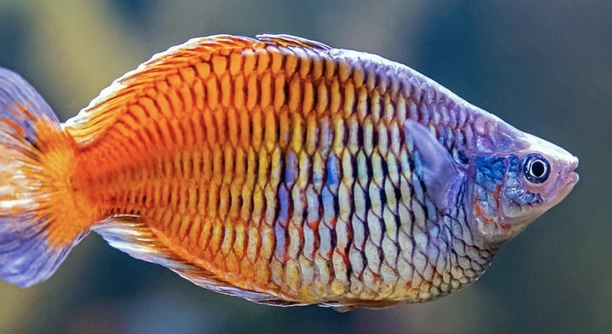
Rainbow fish are known for their beauty and playful behavior, often captivating aquarium enthusiasts. One curious habit they display is pushing gravel around. This behavior can leave many wondering why these fish engage in such actions within their tanks.
Rainbow fish push gravel around primarily due to natural behaviors related to their habitat. In the wild, they may rearrange their surroundings while searching for food, establishing territory, or attempting to create shelter. This is instinctive behavior.
Understanding why rainbow fish push gravel is important for maintaining a healthy aquarium environment. Their actions can be helpful, but it is essential to ensure their needs are met.
Why Do Rainbow Fish Push Gravel Around?
Rainbow fish push gravel around as part of their natural behavior, commonly seen in both their wild and tank environments. These fish are territorial and often rearrange their surroundings to make them feel secure. In the wild, they might do this to create hiding spots or chase away intruders. Aquarium rainbow fish often exhibit similar actions, pushing gravel or rocks to adjust their environment. It’s part of their instinct to keep their space clean and secure. Understanding these behaviors can help maintain a healthier aquarium and ensure the fish are comfortable.
Their actions can also be linked to feeding behavior. When searching for food, rainbow fish might move gravel to uncover hidden items. This is something many species do in the wild to find small organisms or detritus. In aquariums, their movement can be a sign they’re either looking for food or engaging in natural foraging habits. This is completely normal, and while it might be bothersome at times, it doesn’t indicate distress.
It’s also worth noting that rainbow fish often push gravel when exploring their environment. Their curious nature leads them to interact with the substrate in different ways. They are constantly moving around, which keeps them physically active. This behavior ensures that they stay engaged and mentally stimulated. As long as the tank is well-maintained and the fish have enough space, their actions won’t cause problems. If gravel pushing becomes excessive, it’s a good idea to evaluate the tank’s setup to ensure it meets their needs.
How Gravel Affects Your Tank Setup
Gravel shifting can create challenges in an aquarium setup. It may disturb plants or decorative items, but this is a natural part of the fish’s behavior. With the right precautions, it can be managed effectively.
While rainbow fish are pushing gravel, some of the plants or ornaments might get moved around or uprooted. It’s important to secure plants with weighted pots or anchors to prevent them from floating to the surface. For tank decorations, you might want to use heavier items that the fish cannot easily move. A stable setup ensures the fish can continue their behavior without disrupting the aesthetic of your tank. Proper tank maintenance is also necessary to prevent the gravel from shifting too much, leading to an uneven substrate.
In terms of water quality, gravel shifting can stir up debris and waste that may be trapped in the substrate. This can lead to a slight increase in ammonia levels or cloudy water. Regular cleaning helps maintain good water quality. It’s recommended to vacuum the gravel weekly to remove any trapped detritus. Doing so will keep the tank healthy for the fish and prevent any water quality issues from arising.
Gravel and Tank Health
Gravel pushing can sometimes cause minor issues in tank health. As fish shift the substrate, they may stir up waste or leftover food. If not cleaned regularly, this can lead to higher levels of toxins in the water, which affects the overall environment.
Maintaining a consistent cleaning routine is crucial in minimizing the impact of gravel shifting. A regular gravel vacuum will help remove debris without disturbing the fish’s natural behavior. It’s important to ensure the filter is strong enough to keep the water clear, especially after any gravel rearrangement.
While gravel shifting won’t directly harm the fish, poor water quality can lead to stress and illness. Keeping the water clean is the key to a healthy tank, allowing your rainbow fish to engage in their natural behaviors without consequence. A good filter and water testing kit can make a big difference in preventing unwanted changes to water chemistry.
Proper Tank Maintenance for Rainbow Fish
Rainbow fish thrive in a well-maintained tank that mimics their natural habitat. Regular water changes and monitoring water parameters are essential for their health. Keeping the tank clean ensures that the fish remain active and comfortable.
Gravel shifting can be a sign that the tank needs more attention, especially if the substrate becomes overly disturbed. This is a good opportunity to reassess the setup and make necessary changes. For example, make sure the filter is working properly and that the water parameters are ideal for rainbow fish, such as the right temperature and pH levels.
Additionally, ensuring there is enough space for the fish to swim freely helps reduce stress. A larger tank with plenty of plants and hiding spots will allow rainbow fish to feel more secure. The more space they have, the less likely they are to display excessive gravel-moving behavior.
Benefits of Gravel Shifting
Gravel shifting isn’t all negative. It can benefit your aquarium by keeping the substrate aerated and preventing it from becoming compacted. This natural behavior helps maintain good water flow through the gravel, which is crucial for healthy bacteria growth.
Additionally, the movement can prevent the buildup of debris in certain areas, keeping the substrate cleaner overall. While it may seem disruptive, it’s actually helping to reduce stagnant areas where waste can collect. As long as your tank is well-maintained, this behavior can promote a healthier environment for your rainbow fish and any other tank inhabitants.
Creating a Better Tank Setup
To accommodate gravel shifting, it’s helpful to set up your tank in a way that prevents too much disruption. Adding plants that are rooted deeply or using heavier decorations can keep them from being moved around. Choosing the right type of gravel or substrate can also reduce unwanted shifting.
An important consideration is to make sure the fish have a variety of hiding spots and territories. If they feel secure, they’ll be less likely to disturb the tank’s layout. The addition of hardy plants that won’t be easily uprooted also contributes to the overall stability of the tank.
Rainbow Fish and Tank Interaction
Rainbow fish are active and curious, and their behavior reflects their need for mental stimulation. Pushing gravel around is part of their exploration of their environment. Understanding this instinct can help you create a tank that supports their needs without compromising the overall setup.
FAQ
Why do rainbow fish push gravel around?
Rainbow fish push gravel around as part of their natural instincts. In the wild, they often shift gravel while searching for food, creating shelter, or establishing territory. This behavior is instinctive and helps them feel secure in their environment. In an aquarium, rainbow fish may also push gravel to explore their surroundings and uncover hidden food or organisms. It’s a sign that they are active and engaged, though it can sometimes disrupt the tank’s setup.
Is gravel shifting harmful to the tank setup?
Gravel shifting can sometimes cause minor disruptions to the tank setup, like uprooting plants or moving decorations. However, this behavior typically doesn’t cause lasting harm to the tank if the environment is properly managed. Plants can be anchored more securely with weights, and decorations should be heavy enough to prevent movement. A properly maintained tank can still thrive with this natural behavior, as long as the gravel and tank decorations are appropriately stable.
Does gravel shifting affect water quality?
Gravel shifting can affect water quality if it stirs up debris or waste that’s been trapped in the substrate. This can temporarily cloud the water and raise ammonia or nitrite levels. However, regular cleaning and water changes can help prevent these issues. Vacuuming the gravel weekly will remove excess waste and help keep the water clear. As long as the tank is cleaned regularly, the fish’s behavior won’t lead to significant water quality problems.
How can I stop my rainbow fish from moving gravel?
It’s difficult to completely stop rainbow fish from moving gravel, as it’s a natural behavior. However, there are ways to manage it. You can ensure that your tank is set up with securely rooted plants, heavier decorations, and a stable substrate that resists being disturbed. Additionally, providing plenty of space and hiding spots will help your fish feel secure and reduce the likelihood of excessive gravel shifting. It’s important to remember that this behavior is normal and beneficial to the overall health of the aquarium.
Should I change the substrate if my rainbow fish push gravel around too much?
If the substrate is getting too disturbed or causing problems in your tank, you may want to consider changing it. For example, finer gravel or sand can be more stable and harder for fish to shift around. However, it’s important to ensure that the new substrate is appropriate for the fish and plants in your tank. Substrate stability can help reduce disruption while still allowing your rainbow fish to engage in their natural behaviors.
Can gravel shifting affect my plants?
Yes, gravel shifting can affect plants, especially if the fish uproot them in the process. To prevent this, make sure your plants are securely anchored, either in pots or with the use of plant anchors. You can also use plants that are better suited to active tanks, such as those with deep roots. If you notice your plants being constantly moved, it might be a good idea to reassess your substrate or choose more robust plant varieties.
Will rainbow fish push gravel if they are stressed?
While gravel shifting is mostly a natural behavior, stress can sometimes amplify it. If your rainbow fish are pushing gravel excessively or behaving erratically, it could be a sign of stress. Factors like poor water quality, overcrowding, or lack of space can lead to stress. It’s essential to ensure that your tank is properly set up, with the right water conditions, sufficient space, and hiding spots. Keeping the environment stable will reduce the likelihood of stress-related behavior.
How often should I clean the tank to manage gravel shifting?
It’s important to clean the tank regularly to manage gravel shifting. Vacuuming the substrate once a week will help remove debris and waste that might be stirred up by the fish. You should also perform partial water changes every two weeks to maintain good water quality. This will help prevent any buildup of toxins in the tank, keeping the fish healthy and ensuring that gravel shifting doesn’t result in water quality issues.
Do rainbow fish need a specific tank environment for gravel shifting?
Rainbow fish are adaptable and can thrive in a variety of tank environments. However, providing an environment that supports their natural behaviors is beneficial. They require a tank with stable water conditions, including proper temperature, pH, and water hardness. Additionally, rainbow fish enjoy having plants, rocks, and hiding places to explore. A well-planted tank with a good filtration system will help create a healthy environment for them to engage in gravel shifting without negatively affecting the tank’s stability.
Can rainbow fish push gravel around in a smaller tank?
Rainbow fish can still push gravel around in a smaller tank, but they may feel more confined in a smaller space. In smaller aquariums, the fish may exhibit more stressful behaviors, including excessive gravel shifting. A larger tank provides more space for them to explore and engage in their natural behaviors without feeling cramped. Additionally, larger tanks are easier to maintain in terms of water quality and substrate stability, helping to manage any disruptions caused by gravel shifting.
Final Thoughts
Gravel shifting is a natural behavior for rainbow fish and other species. While it might seem disruptive at times, it’s an essential part of their instincts and daily activities. This behavior allows the fish to explore their environment, search for food, and even establish territory. In an aquarium, it’s important to understand that this action is not a sign of distress or poor tank health. Instead, it’s a normal, beneficial behavior when managed properly. Recognizing this can help tank owners avoid unnecessary concern and focus on maintaining a healthy environment for their fish.
To keep the tank in good condition while accommodating the gravel shifting, regular maintenance is key. Cleaning the substrate with a gravel vacuum and performing consistent water changes will help minimize any negative effects that come with disturbed gravel. A healthy tank is crucial in supporting rainbow fish and ensuring their natural behavior doesn’t cause long-term issues. Ensuring the water parameters remain stable, with proper filtration and oxygenation, will also help maintain the balance in the tank. Remember, the goal is to strike a balance between providing space for your fish to express their natural instincts while ensuring the environment remains healthy and secure.
Lastly, it’s important to embrace the fact that rainbow fish are active and curious. Allowing them to engage in behaviors like gravel shifting can make them feel more at home in the tank. If you find that their behavior is disrupting the setup, adjusting the tank layout or using more stable substrates and plants can help. Ultimately, gravel shifting is a part of the rainbow fish experience. With the right care and understanding, it won’t pose a threat to the health of your aquarium but will add to the natural behavior of your fish, enhancing their overall well-being.

Hello,
If you enjoy the content that we create, please consider saying a "Thank You!" by leaving a tip.
Every little bit helps us continue crafting quality advice that supports the health, happiness, and well-being of pets around the world, for pets of all shapes, sizes, and species.
We really appreciate the kindness and support that you show us!