
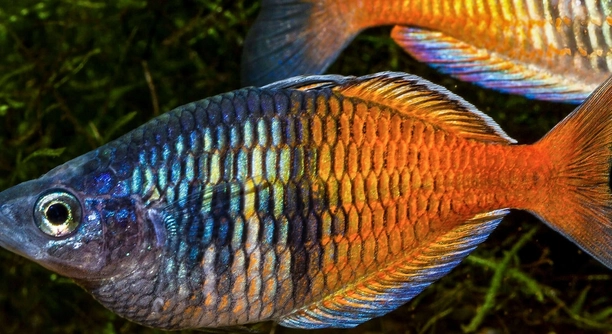
Rainbow fish are known for their vibrant colors and unique behavior. Many wonder if these beautiful creatures can recognize specific actions, like hand movements. Understanding their response to human interaction can reveal more about their intelligence.
Research suggests that rainbow fish can indeed recognize hand movements. They are capable of associating certain gestures with food or other environmental cues. This ability highlights their cognitive skills and their capacity to learn from repeated interactions with humans.
These findings show that rainbow fish are more aware of their surroundings than initially thought. Their ability to recognize hand movements could help improve the way we interact with them in aquariums.
How Rainbow Fish React to Hand Movements
Rainbow fish have a remarkable ability to react to hand movements, which shows their adaptability in a controlled environment like an aquarium. Their response to gestures is often linked to food or the presence of a potential threat. The fish can form associations through repetition, allowing them to anticipate what might happen next based on the movement they see. This connection to hand gestures, especially when it’s food-related, indicates they are more intelligent than they may appear. Over time, the fish will learn to recognize individual movements, making them more comfortable with human interaction.
Hand movements also serve as a way to build a bond with these fish, especially in aquariums where they often live alone or in small groups. By noticing your movements, they can come to expect specific outcomes, such as being fed or having their environment adjusted.
This recognition of hand gestures can be useful in many practical ways. For example, when feeding, you can train the fish to come closer to the surface or respond to other signals. Understanding their ability to associate movements with outcomes can improve aquarium care and make it easier to maintain a routine.
Can They Tell Who You Are?
Rainbow fish do not just react to hand movements; they can distinguish different patterns and changes in behavior. While they might not have the same recognition as mammals, they are capable of observing their environment and responding accordingly.
Over time, rainbow fish begin to connect specific hand gestures with experiences, like feeding or water changes. These fish have excellent vision, allowing them to pick up on subtle movements and associate them with positive or negative outcomes. This ability could be vital in their survival in the wild. The recognition of human gestures in an aquarium setting helps reinforce the idea that they are not just responding to random movements but learning from consistent patterns.
This type of learning behavior has been observed in various species of fish and demonstrates that fish are not as limited in their cognitive abilities as we might have once thought. Their capacity for memory and learning from repeated actions highlights their adaptability to their environment.
Hand Movements and Feeding Behavior
Rainbow fish quickly learn to associate hand movements with feeding time. When you consistently move your hand near the tank before feeding, they start recognizing this as a signal for food. Over time, they may even swim to the surface when they see your hand approaching, expecting a meal. This behavior shows their ability to form simple associations with actions, making feeding routines smoother.
Their response isn’t always immediate but improves with repetition. Initially, rainbow fish may be cautious or hesitant when they notice a hand movement, especially if they aren’t used to human presence. However, as they experience consistent positive outcomes, like being fed, they start to trust the movement. This trust can lead to a more engaged interaction, where they actively seek out your hand for food.
Rainbow fish are not just reacting instinctively but are capable of learning from experiences. This makes them more interactive and responsive over time. They can adjust their behavior based on the context, whether it’s a signal for food or simply a change in their environment. Understanding this can make feeding and tank care much easier.
Why Hand Movements Matter for Bonding
Hand movements not only signal food but also become part of the fish’s familiar environment. They associate your presence with safety and care, which strengthens the bond between you and the fish. When handled gently, these movements promote trust, making the fish more relaxed.
By understanding how your hand gestures influence their behavior, you can create a positive experience for them. A gentle, consistent hand movement can make rainbow fish feel secure, as it helps them recognize you as a source of stability. This interaction could also be calming for the fish, as they learn to expect positive outcomes from your actions. It’s all about building a routine that makes them comfortable and engaged. Over time, this familiarity strengthens the connection between you and the fish, allowing for more enjoyable interactions.
Improving Fish Interactions with Consistent Hand Movements
Using consistent hand movements can greatly improve interactions with rainbow fish. The more you repeat certain gestures, the better the fish can understand what to expect. This makes the whole aquarium experience more enjoyable and predictable for them. It also helps in managing their environment.
Consistency helps build trust with the fish. When they see your hand, they know it could mean something positive, like feeding time. Over time, this creates a connection that can lead to the fish actively engaging with you. They become more aware of your actions and start responding accordingly.
Rainbow Fish and Their Cognitive Abilities
Rainbow fish are surprisingly intelligent, capable of learning from experiences and adapting to their surroundings. They can recognize patterns in movement, which allows them to anticipate certain actions, such as receiving food or being handled. This level of cognitive ability shows that fish are not as limited as we might think.
They are particularly responsive to visual cues, such as hand movements. By associating these cues with positive outcomes, rainbow fish can form a memory of specific events. This ability to learn and remember makes them more interactive and less skittish, improving your relationship with them.
Training Rainbow Fish
Training rainbow fish to recognize specific hand movements requires patience and consistency. It’s important to make your movements predictable and repetitive. This allows the fish to connect the gesture with a specific outcome, such as feeding or environmental changes.
FAQ
Can rainbow fish recognize their owner?
Rainbow fish can recognize human gestures, especially when these movements are associated with something they learn to expect, like feeding time. However, they don’t have the same level of recognition as mammals. They can’t identify their owner’s face, but they can learn to associate a person’s movements with certain outcomes, such as food or care.
How long does it take for rainbow fish to recognize hand movements?
It typically takes a few weeks for rainbow fish to start associating hand movements with food or other positive events. The process depends on how frequently the hand movements are repeated and how consistent the outcomes are. The more predictable the movements, the quicker they will learn.
Do rainbow fish remember hand movements?
Yes, rainbow fish can remember hand movements, especially if those movements are tied to a specific outcome, like feeding. They can form simple associations and remember the movement patterns over time. This shows they have some memory capacity, helping them adapt to their environment.
Can rainbow fish distinguish between different types of hand movements?
Rainbow fish can distinguish between different hand movements, but they are more likely to respond to consistent, predictable gestures. They may learn to associate certain patterns with specific actions, like being fed. However, complex hand movements might not be as easily recognized unless they are part of a routine.
Are rainbow fish attracted to movement in the tank?
Yes, rainbow fish are naturally curious and often attracted to movement in the tank. They may swim toward movement, whether it’s from your hand or another source. This curiosity is a survival instinct, as they’re always on the lookout for potential food or environmental changes.
What should I do if my rainbow fish seem afraid of my hand movements?
If your rainbow fish appear frightened by hand movements, try to slow down and reduce the suddenness of your gestures. Give them time to adjust to your presence. Gradually introduce hand movements in a calm manner, and avoid large or rapid motions that might startle them. Over time, they will likely become more comfortable.
Can rainbow fish recognize different people?
Rainbow fish do not have the cognitive ability to recognize individual people. They rely more on movements, patterns, and associations with food or other environmental changes. While they can become familiar with the presence of a person, they won’t specifically recognize one individual over another.
How can I help rainbow fish trust me?
Building trust with rainbow fish requires patience and consistency. Use slow, calm movements when approaching the tank and offer food regularly. Over time, they will learn to associate your presence with positive outcomes. Creating a routine helps them feel more secure and familiar with your actions.
Do rainbow fish get bored of human interaction?
Rainbow fish may not experience boredom in the same way humans do, but they can get used to routines. They are responsive to feeding and environmental changes. While they may not actively seek out human interaction for entertainment, they can become more comfortable around their caretakers if consistently engaged.
Can rainbow fish recognize other fish?
Rainbow fish may be able to recognize other fish in their environment, particularly if they have interacted with them for a long time. They are social creatures and can often form groups. Their ability to recognize other fish likely comes from their memory and the interactions they have over time.
Are rainbow fish social and do they need companions?
Rainbow fish are social and prefer to live in groups, known as schools. Having companions helps them feel safe and secure, reducing stress. A group provides protection and comfort, and they often exhibit more natural behaviors when in the presence of others of their species.
Final Thoughts
Rainbow fish are fascinating creatures with the ability to learn from their environment. They may not recognize individual people, but they can definitely associate specific hand movements with actions like feeding. This makes them more interactive and engaging as they become familiar with routines. While their recognition abilities may not match those of mammals or more intelligent species, their capacity to learn from consistent patterns is clear. With patience, you can train your rainbow fish to respond to hand movements, creating a smoother and more enjoyable experience for both you and the fish.
Understanding how rainbow fish learn and interact with their environment helps create a better atmosphere in your tank. Hand movements, especially those tied to feeding or tank care, become cues that the fish can recognize over time. By maintaining consistency, you can foster a sense of trust and predictability, which is essential for their well-being. A calm and predictable approach will make them feel secure and more likely to engage with you. This type of interaction strengthens the connection between you and your fish, making the experience more enjoyable.
Ultimately, while rainbow fish may not form deep personal connections like some pets, they can still learn to recognize certain signals and respond accordingly. This ability to associate movements with actions shows that they are far more capable of interacting with their environment than many people might assume. By being mindful of their responses and taking a consistent approach, you can improve the way they engage with you, helping to create a more harmonious relationship with your aquarium.

Hello,
If you enjoy the content that we create, please consider saying a "Thank You!" by leaving a tip.
Every little bit helps us continue crafting quality advice that supports the health, happiness, and well-being of pets around the world, for pets of all shapes, sizes, and species.
We really appreciate the kindness and support that you show us!