
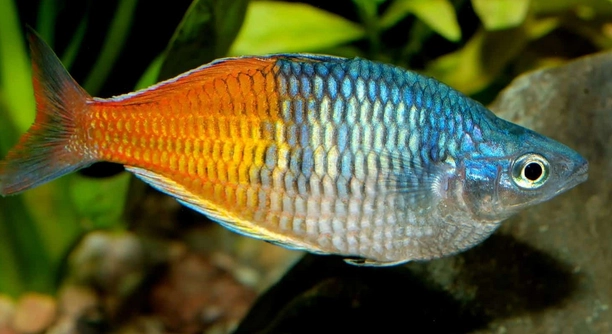
Rainbow fish are known for their vibrant colors, but their hue changes can be especially noticeable near feeding time. Understanding why this happens can help you better appreciate their behavior and enhance their care in an aquarium.
Rainbow fish change color near feeding time primarily due to a physiological response triggered by anticipation and excitement. This change is often a result of increased hormone production and the activation of specialized pigment cells in their skin.
This behavior is linked to their natural instincts and can reveal important information about their overall health and well-being.
Understanding the Color Change Mechanism
Rainbow fish display a unique color-changing behavior, especially before feeding time. This shift is due to a complex biological process involving hormonal changes that occur when they sense food is near. Specialized cells called chromatophores in their skin are responsible for these color transformations. As the fish anticipates being fed, their body reacts to this stimulus, causing the cells to either expand or contract. These changes result in a brighter, more vibrant appearance, signaling excitement or readiness for food. The process is largely driven by instinct, as these fish prepare for a potential feeding event.
While the color change may seem purely aesthetic, it plays a role in communication within the species. In the wild, such signals could help rainbow fish interact with others, indicating their availability or readiness for mating. In an aquarium setting, this behavior can also help owners gauge when their fish are hungry or excited.
The color shift is not limited to feeding time alone. Fish will exhibit this response in other situations, such as when they are in new environments or during stress. This adaptability ensures that they can communicate effectively in various circumstances.
The Role of Light in Color Transformation
Lighting plays a crucial role in the intensity of the color change. Fish rely on the amount of natural or artificial light in their environment to fully display their colors. In dimmer tanks, their colors may not appear as bright, but under brighter conditions, the hues are more vibrant.
This variability means that fish owners should be mindful of their tank’s lighting. It helps not only in achieving a beautiful display but also in ensuring that the fish’s natural behaviors, such as color change, are properly triggered and expressed.
Hormonal Influence on Color Change
Hormones play a significant role in the color-changing behavior of rainbow fish. When they sense food or environmental changes, their body releases specific hormones that trigger chromatophores. These cells respond by adjusting, causing a shift in color. Hormonal fluctuations are most common during feeding times, making the fish appear brighter and more vivid.
The color change is not just a physical reaction but also an instinctual response. As they prepare to feed, fish anticipate a shift in their surroundings, triggering hormonal signals that help them adjust their appearance. This hormonal process ensures that the fish remain in sync with their environment. The increase in pigmentation is a clear sign of heightened activity, indicating excitement or readiness.
These hormonal changes occur quickly and are often short-lived. Once the feeding period is over or the excitement subsides, the fish return to their usual color. This temporary shift is completely natural, allowing the fish to express themselves based on their immediate needs or environmental cues.
Stress and Environmental Factors
Changes in the environment can also impact the color change. Rainbow fish are sensitive to alterations in water quality, temperature, and even tank conditions. When these factors shift suddenly, the fish may display a change in color, which could be an indication of stress or discomfort.
In an aquarium, it is common for rainbow fish to experience color changes due to fluctuating water parameters. High levels of ammonia or improper pH can trigger such responses. Regular water testing and maintenance can help prevent these stressors and ensure the fish remain in their optimal health. Stability in the tank’s conditions plays a vital role in maintaining the natural color patterns of the fish.
If the water conditions remain stable, the color changes tied to feeding will be more pronounced and predictable. This contrast helps owners distinguish between normal behavior and potential stress responses. Ensuring a balanced, consistent environment is key to promoting the health and vibrancy of rainbow fish.
The Connection Between Mating and Color Change
During mating seasons, rainbow fish undergo a noticeable color shift. This behavior is used to attract potential mates and is triggered by hormonal changes. The brighter and more vivid their colors, the more appealing they are to their counterparts, signaling readiness for reproduction.
The change in color isn’t just an isolated event. It is part of the fish’s natural reproductive cycle. These shifts are a sign of health and vitality, signaling to other fish that they are in optimal condition. This form of visual communication plays a vital role in the mating process for many species.
Fish Color as a Sign of Health
Healthy rainbow fish exhibit vibrant, consistent colors. Any dulling or fading of their colors might indicate underlying health issues. Poor water quality, inadequate diet, or stress can all contribute to a lack of color. Ensuring proper care will help the fish maintain their natural vibrancy.
The Importance of Diet
A well-balanced diet directly impacts the color of rainbow fish. Their colors are enhanced by a nutrient-rich diet that supports their overall health. Foods rich in carotenoids, such as brine shrimp and algae, are especially beneficial in maintaining and boosting the vibrancy of their colors.
FAQ
Why do rainbow fish change color when they are fed?
Rainbow fish change color near feeding time due to hormonal responses triggered by anticipation. When they sense food, their bodies release specific hormones that activate the pigment cells in their skin. This causes a temporary shift in color, making them appear brighter and more vivid. This color change is instinctual, signaling excitement and readiness to feed.
Can the color change be a sign of stress in rainbow fish?
Yes, rainbow fish can change color due to stress. Factors like poor water quality, changes in temperature, or overcrowding can cause them to exhibit different hues. Stress can lead to a dulling of their usual vibrant colors, which is a signal that the fish may be uncomfortable or unhealthy. Maintaining stable tank conditions is essential to avoid stressing the fish.
Do rainbow fish only change color at feeding time?
No, rainbow fish can change color in various situations. While feeding time triggers a noticeable color shift, they may also change when exposed to environmental stress, during mating seasons, or when they are introduced to new tank conditions. The change in color reflects their natural response to different stimuli.
Can I encourage rainbow fish to change color more frequently?
Encouraging rainbow fish to change color more frequently is not recommended, as it’s a natural response to specific triggers like food, environmental changes, or mating. However, providing a healthy and stress-free environment, along with a proper diet, will ensure the fish maintain their vibrant colors. Overstimulating them could lead to unnecessary stress.
How does lighting affect the color change in rainbow fish?
Lighting plays a significant role in how rainbow fish display their colors. Under brighter lighting, their colors become more vivid and noticeable. If the tank is too dim, their colors may appear dull. Proper tank lighting, along with a balanced environment, helps ensure that rainbow fish display their colors as naturally as possible.
What are the signs of health problems in rainbow fish?
A rainbow fish’s dull or faded colors are often the first sign of potential health problems. Other indicators may include lethargy, loss of appetite, or unusual swimming patterns. If the fish’s color fades significantly or their behavior changes, it’s essential to check water quality, diet, and overall tank conditions to identify the cause.
Can rainbow fish change color when they are sick?
Yes, rainbow fish can change color when they are sick. When under stress from illness, their colors may become less vibrant or even fade entirely. If you notice a rainbow fish displaying unusual colors or other signs of sickness, it’s important to address any potential health issues immediately, including water quality checks and appropriate treatments.
Do male and female rainbow fish change color differently?
Yes, male and female rainbow fish often display different color changes. Males tend to show more intense colors, especially during mating season. Their colors may become even brighter to attract females. Females, on the other hand, typically have more subdued hues, but their color changes still occur in response to hormonal shifts during feeding and breeding periods.
How does diet affect the color change in rainbow fish?
Diet plays a key role in maintaining the vibrancy of rainbow fish. A diet rich in carotenoids, found in foods like brine shrimp, algae, and certain high-quality fish flakes, can enhance their colors. Providing a nutrient-rich diet helps support the fish’s overall health and ensures that they maintain their vibrant hues.
Is it normal for rainbow fish to lose their color at night?
Yes, it’s normal for rainbow fish to lose some of their color at night. As they rest, the hormonal changes that cause the color shift during the day diminish. This reduction in brightness is a natural part of their sleep cycle. Their colors typically return to their vibrant state once they become active again.
Can the water temperature affect the color change in rainbow fish?
Water temperature can influence the color change in rainbow fish. If the water is too hot or too cold, it can cause stress, which may lead to a change in their color. Maintaining a stable water temperature, typically between 72°F and 78°F, will help the fish remain healthy and display their natural color patterns.
Do rainbow fish change color in response to other fish?
Yes, rainbow fish may also change color in response to other fish in the tank. Aggressive interactions, territorial behavior, or the presence of other species can trigger color changes. In some cases, they may become darker or lighter depending on their response to other fish. Monitoring their interactions can help maintain a peaceful tank environment.
Can rainbow fish change color to communicate with other species?
Rainbow fish primarily change color to communicate within their own species, especially during mating season or to show readiness for feeding. However, their color changes may also indirectly communicate with other species in the tank. For example, a brightly colored fish may signal dominance or territory, indirectly influencing the behavior of other species.
Final Thoughts
Rainbow fish are fascinating creatures with the ability to change color in response to various stimuli. Whether it’s due to excitement from feeding, stress from environmental changes, or hormonal shifts during mating, these color changes are a natural part of their behavior. Observing these changes can provide insight into their overall well-being, as well as their immediate needs. The color shift is more than just a visual effect; it serves as a signal to other fish and to their environment. While the colors may shift during different moments, the vibrant hues that rainbow fish display are often a sign of health and vitality.
Maintaining the proper tank conditions is crucial to ensuring that your rainbow fish stay healthy and vibrant. Stress from poor water quality, fluctuating temperatures, or overcrowded conditions can dull their colors and even cause illness. By monitoring factors like water parameters, diet, and tank stability, you can help prevent these stressors and promote the natural beauty of your fish. Healthy rainbow fish will consistently display bright, rich colors, especially when they feel secure in their environment. Regular maintenance of water quality and providing a balanced diet will help ensure that your fish remain in their best condition.
Understanding the reasons behind the color changes of rainbow fish can also improve the overall care you provide. While the color changes themselves are a natural part of their behavior, paying attention to these signs can help you gauge the health and mood of your fish. Whether it’s a hormonal response, environmental change, or simply excitement at feeding time, each color shift has its own purpose. By observing your fish closely and making sure they have everything they need, you can keep them healthy and vibrant.

Hello,
If you enjoy the content that we create, please consider saying a "Thank You!" by leaving a tip.
Every little bit helps us continue crafting quality advice that supports the health, happiness, and well-being of pets around the world, for pets of all shapes, sizes, and species.
We really appreciate the kindness and support that you show us!