
Rainbow fish are captivating creatures, often displaying unique behaviors that might seem unusual at first. Their habits, however, are part of their natural instincts. Understanding these behaviors can help you better care for your rainbow fish.
Rainbow fish exhibit a range of peculiar but harmless habits that reflect their instinctual responses to their environment. These behaviors, while odd to the untrained eye, are typical within the species and contribute to their well-being.
Recognizing these habits will enhance your appreciation for rainbow fish and ensure their comfort in your aquarium.
The Rainbow Fish’s Dazzling Color Display
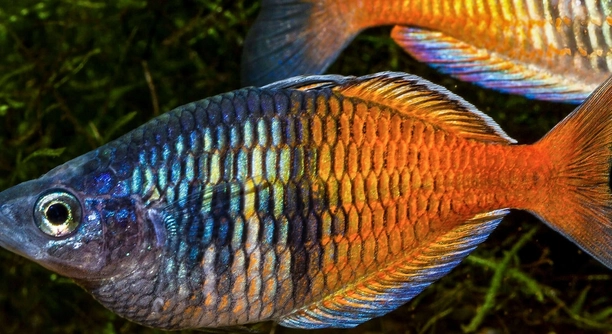
Rainbow fish are known for their vibrant colors, but these hues do more than just attract attention. Their colorful displays serve as a form of communication, especially during mating. Males, in particular, intensify their colors to catch the eye of females, showing off their strength and vitality. This behavior is not only a visual treat but also essential for reproduction. The color intensity can vary based on environmental factors, like water conditions or the presence of other fish. When rainbow fish feel threatened or stressed, their colors may dull, signaling unease. This fading is a subtle yet clear sign that something may be wrong in their surroundings. Understanding the meaning behind their color changes can help ensure the health of your rainbow fish and improve their overall living conditions.
The changes in their colors are part of a natural defense mechanism.
When rainbow fish feel safe and healthy, their colors will appear vivid and bold. This vibrant display is a sign of well-being. If the fish seem dull or their colors fade, it’s often a sign of stress or illness. Addressing the cause promptly can restore their natural beauty and prevent further issues. Maintaining stable water conditions and offering a stress-free environment encourages rainbow fish to show off their full color spectrum.
Behaviors During Feeding
Rainbow fish display interesting behaviors when feeding. They may dart quickly to the surface or swarm around feeding areas.
These behaviors are natural and occur when rainbow fish are hungry. In the wild, they often have to compete for food, and this instinct carries over into captivity. When feeding, it’s common for rainbow fish to chase after food aggressively. They may also display dominant behaviors, especially if there are multiple fish in the tank. Providing varied foods and ensuring enough space can help reduce competition. This helps keep their natural feeding instincts intact while preventing unnecessary aggression.
Unique Swimming Patterns
Rainbow fish often display unique swimming patterns. They may move in quick, erratic bursts or swim slowly in circular motions.
These patterns are typically a sign of alertness or comfort in their environment. A quick burst of speed could indicate excitement or a reaction to something in the tank. Rainbow fish are also known to swim in schools, which provides them with a sense of security. Observing these behaviors helps gauge the overall health and mood of your fish. If they start swimming aimlessly or in irregular patterns, it might indicate stress or health issues that need to be addressed.
Occasionally, rainbow fish will engage in a behavior known as “streaking,” where they rapidly swim back and forth across the tank. This act can be a sign of either excitement or a reaction to environmental changes. Keeping track of these swimming patterns can help you understand their needs better and ensure a balanced, healthy tank environment.
Surface Activity
Rainbow fish are often seen near the water’s surface. They frequently swim in this area, especially during feeding times.
The surface is their primary area for feeding and interacting with their environment. They are naturally drawn to the top of the tank, where they can easily catch floating food and interact with other fish. This behavior is entirely normal and essential for their survival in both the wild and captivity. However, if your rainbow fish are constantly at the surface and not feeding, it may indicate an issue with water quality or oxygen levels.
Rainbow fish are surface dwellers in the wild, often feeding on small insects and plants floating on the water. In captivity, they can adapt well to surface feeding but may struggle with water parameters that don’t match their natural habitat. It’s important to ensure the water is properly aerated and that there are no blockages affecting oxygen flow.
Jumping Behavior
Rainbow fish occasionally jump, especially when startled or excited. This behavior can be common during feeding or when they feel threatened.
Jumping is a natural response for many species of fish, including rainbow fish. If they feel cramped or stressed, they may leap as an attempt to escape perceived danger. To reduce this behavior, make sure your tank is large enough, and that it has a secure lid.
When rainbow fish jump, it can also be a sign of poor water quality or high stress. Keeping their environment calm and ensuring the water parameters are optimal will help reduce this behavior.
Interaction with Tankmates
Rainbow fish are generally peaceful, but they can exhibit aggressive behavior under certain conditions.
If overcrowded or competing for food, rainbow fish may become territorial. Males often display more aggression, particularly when competing for mates. Ensuring adequate space and providing multiple feeding areas can help minimize conflicts. Introducing peaceful tankmates can also help in reducing stress and aggression.
Tail Movement
Rainbow fish are known for their fluid, graceful tail movements. Their tails serve as powerful tools for steering and maintaining balance.
When swimming, rainbow fish use their tails to control their speed and direction. In some instances, they may flick their tails more intensely when excited or during competition for food. This movement is crucial for their agility, allowing them to dart quickly to avoid threats or chase food. Tail movements are also an indicator of their overall health. If the tail appears limp or weak, it may signal illness or stress.
FAQ
Why are my rainbow fish losing color?
Rainbow fish can lose their color for several reasons, including stress, poor water quality, or illness. When rainbow fish feel threatened or uncomfortable, their colors may fade as a sign of distress. To restore their natural hues, ensure your tank’s water quality is optimal and reduce any stress factors. If their color remains dull, check for signs of disease or parasites and address those issues promptly.
What causes rainbow fish to swim in circles?
Rainbow fish may swim in circles due to stress, overcrowding, or a lack of stimulation. In their natural environment, they swim freely in schools, so being confined in small tanks or surrounded by aggressive tankmates may make them feel anxious. Providing more space, hiding spots, and regular interaction can help reduce this behavior.
How can I prevent rainbow fish from jumping out of the tank?
Rainbow fish may jump when they feel stressed or overcrowded. To prevent this, ensure your tank has a secure lid. Avoid overcrowding and ensure your fish have enough space to swim freely. Also, check the water quality regularly, as poor conditions can lead to stress and jumping.
Are rainbow fish compatible with other species?
Rainbow fish are peaceful and typically do well with other non-aggressive species. However, if they feel threatened by more dominant tankmates, they may become stressed or territorial. Choose peaceful fish that don’t compete heavily for food or space. Avoid aggressive species that might stress out your rainbow fish.
Why are my rainbow fish staying at the surface?
Rainbow fish often spend time at the surface, especially when feeding. However, if they remain near the top all the time, it could indicate poor water quality or low oxygen levels. Make sure your tank is properly aerated and that water parameters are ideal to keep your fish comfortable.
How can I tell if my rainbow fish are healthy?
Healthy rainbow fish exhibit vibrant colors, smooth skin, and active movement. They should swim with fluid, graceful motions and engage with their environment. If they start hiding excessively, losing color, or swimming erratically, it could indicate illness or stress. Monitoring their behavior and water quality is key to maintaining their health.
How often should I feed rainbow fish?
Rainbow fish should be fed once or twice a day, depending on their age and activity level. Provide small portions to avoid overfeeding, as excess food can degrade water quality. A varied diet of high-quality flakes, pellets, and occasional live or frozen foods will help keep your rainbow fish healthy.
What temperature is best for rainbow fish?
Rainbow fish prefer a water temperature range between 72°F and 78°F (22°C to 26°C). Consistent temperatures within this range will help maintain their health and prevent stress. Sudden temperature changes can cause illness or even death, so use a reliable aquarium heater to maintain a stable environment.
Do rainbow fish need a filter?
Yes, rainbow fish benefit from a filter to keep their water clean and maintain healthy conditions. A proper filter helps remove waste and toxins, promoting better water quality and reducing the risk of diseases. Ensure the filter provides gentle filtration to avoid stressing the fish, as strong currents can be uncomfortable for them.
How can I encourage rainbow fish to breed?
To encourage rainbow fish to breed, provide them with a well-maintained tank, stable water parameters, and a varied diet. Males typically display brighter colors and more active behavior to attract females. If your rainbow fish are healthy and feel secure, they may start breeding naturally. Ensure there are plenty of plants or soft surfaces where the eggs can be safely laid.
Why do rainbow fish swim in groups?
Rainbow fish are social creatures that naturally swim in schools. Swimming in groups helps them feel secure and provides safety from predators in the wild. In an aquarium, providing enough space and ensuring there are multiple fish will encourage this behavior, making your rainbow fish feel more comfortable and at ease.
What type of tank is best for rainbow fish?
A well-planted tank with plenty of swimming space is ideal for rainbow fish. Ensure the tank has a secure lid to prevent jumping and a gentle filtration system. Rainbow fish thrive in a tank with a stable temperature and clean water. A tank size of at least 30 gallons is recommended for a small school of rainbow fish.
Do rainbow fish need specific water conditions?
Rainbow fish thrive in slightly alkaline to neutral water, with a pH level of 7.0 to 8.0. They also prefer soft to moderately hard water. Regular water changes and monitoring of ammonia, nitrite, and nitrate levels are crucial to maintaining a healthy environment for your rainbow fish.
Final Thoughts
Rainbow fish are fascinating and relatively easy to care for, making them a popular choice for both beginner and experienced aquarium enthusiasts. Their vibrant colors and peaceful nature add life to any tank. With the right environment and care, they can thrive and exhibit natural behaviors that are both entertaining and rewarding to observe. Paying attention to their specific needs, such as water quality, temperature, and space, is essential for keeping them healthy. While they are generally hardy, maintaining a stable and stress-free environment is key to their well-being.
Understanding the habits of rainbow fish can also help improve their care. Their unique swimming patterns, occasional jumping behavior, and social interactions provide insight into their needs. By observing their activity closely, you can quickly identify any changes that may indicate stress, illness, or discomfort. For example, if they begin to swim erratically or lose color, it may be a sign that something in the tank is not right. Addressing these issues promptly can prevent further problems and ensure that your rainbow fish stay vibrant and healthy.
In conclusion, rainbow fish make great additions to any aquarium, especially when their care requirements are met. Their peaceful nature and beautiful colors bring joy to those who take the time to care for them. Providing them with a well-maintained tank and observing their behavior will help you better understand their needs and keep them happy. If you are looking for a colorful, low-maintenance species to add to your aquarium, rainbow fish are an excellent choice.

Hello,
If you enjoy the content that we create, please consider saying a "Thank You!" by leaving a tip.
Every little bit helps us continue crafting quality advice that supports the health, happiness, and well-being of pets around the world, for pets of all shapes, sizes, and species.
We really appreciate the kindness and support that you show us!