
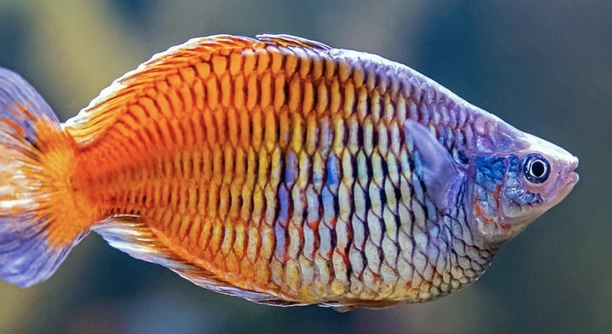
Rainbow fish are known for their playful and vibrant behavior, often flicking sand around in their tanks. This quirky action can seem puzzling, but there’s a deeper reason behind it, one that benefits both their well-being and the environment they live in.
Rainbow fish flick sand around the tank primarily for instinctual reasons, such as searching for food, marking territory, or creating a comfortable environment. Their natural behaviors, like digging or flicking sand, mimic actions they would perform in the wild.
Understanding this behavior is important for ensuring your rainbow fish’s happiness and health. With this knowledge, you can make adjustments to their habitat and improve their overall experience in your aquarium.
Why Rainbow Fish Flick Sand Around the Tank
Rainbow fish may flick sand in their tank for various reasons. These colorful fish are naturally active and curious creatures. In the wild, they would spend their time foraging, digging, and searching for food in the substrate. This behavior helps them feel more at ease in their environment. When placed in an aquarium, rainbow fish retain these instincts, using sand as a way to explore and engage with their surroundings. This action also serves as a method for them to search for small organisms they might eat. It’s completely normal and beneficial for their well-being.
Some aquarium owners may notice that their rainbow fish constantly stir up the sand. It can seem like a nuisance, especially if the sand gets moved around a lot. However, this is part of their natural behavior, which helps mimic their actions in the wild. It’s a sign that they are comfortable in their environment.
By providing enough space, hiding spots, and a suitable substrate, you can ensure that your rainbow fish have the best environment to express their natural behaviors. The right setup allows your fish to act out these instincts and keep them healthy. They don’t just flick sand for fun; they do it because it provides them with a sense of security, simulating their natural habitat. Ensuring the tank is designed to cater to these behaviors helps reduce stress and keeps your fish engaged.
Sand and Substrate Preferences
Rainbow fish are particularly fond of sandy substrates. This type of substrate mimics the natural habitats they would experience in the wild. When they flick sand, it helps them sift through it to find tiny food particles or explore their environment further. The fine texture of sand is ideal for their activities.
Choosing the right substrate for your tank makes a big difference. Rainbow fish are sensitive to changes in their environment, so keeping the tank’s bottom layer comfortable and familiar will reduce stress. Sandy substrates also allow them to engage with the environment in a way that promotes their overall health.
Why Sand Flicking Is Good for Their Health
Flicking sand helps rainbow fish stay active and healthy. It encourages movement, keeps them engaged, and provides mental stimulation. This natural behavior is essential for their well-being, helping them maintain a level of fitness that supports their overall health.
Rainbow fish are highly active and require ample space to swim and explore. The act of flicking sand allows them to interact with their environment and simulate foraging behaviors. This constant movement helps promote good circulation and muscle tone. When kept in a suitable environment, they are less likely to become stressed or sedentary, both of which can affect their health. Keeping your tank setup as natural as possible helps to reduce stress-related issues, such as illness or aggression.
In the wild, these fish often sift through sand and substrate looking for food. By mimicking this behavior in an aquarium, you allow them to engage in a familiar routine. Not only does this benefit their mental health, but it also improves their overall physical health by keeping them active.
Tank Setup for Flicking Behavior
To support sand flicking, the tank setup should accommodate rainbow fish’s natural behaviors. Fine-gravel or sand is ideal for the substrate, as it allows them to sift through it easily. Ensure the tank is spacious enough for them to swim around freely and explore.
Adding a few plants and decorations can provide hiding spots and give your fish the opportunity to engage in more natural behaviors. Avoid sharp or rough substrates, as these can harm the fish. A shallow layer of fine sand or smooth gravel is perfect, as it mimics the environments they would naturally encounter. Regular water changes and proper filtration are important to maintain the sand’s cleanliness, as debris can accumulate.
How Sand Flicking Affects Tank Cleanliness
Sand flicking can cause the tank to become messier, as the sand gets stirred up and can spread debris. This may result in particles floating in the water or gathering in certain areas. Regular maintenance helps keep everything clean.
While sand flicking is a natural behavior, it’s important to maintain the tank’s cleanliness. Regular water changes and cleaning the substrate will prevent debris from building up. Using a gravel vacuum is a helpful tool to remove excess particles without disturbing the sand too much. Keeping the filter running properly also helps maintain water quality.
Managing Water Quality in a Sand-Flicking Tank
Water quality is crucial when you have rainbow fish that actively flick sand. Maintaining clean water prevents the spread of harmful bacteria and ensures that the fish stay healthy. Monitoring ammonia, nitrites, and nitrates regularly will help keep the water stable.
When sand gets disturbed, particles can release into the water, affecting the overall quality. Proper filtration and regular water changes are essential in maintaining a healthy environment. Adding live plants can also help with water quality by absorbing excess nutrients.
FAQ
Why do rainbow fish flick sand around their tank?
Rainbow fish flick sand as a natural behavior, mimicking their wild habits of foraging for food. In their native habitats, they sift through sand and substrate to find small organisms. In an aquarium, this action serves a similar purpose, allowing the fish to search for food and engage with their environment. It also provides mental and physical stimulation, promoting their overall well-being.
Can flicking sand harm rainbow fish?
Flicking sand does not typically harm rainbow fish. However, if the substrate is too rough or contains sharp edges, it could potentially injure them. Ensuring the sand or gravel is smooth and fine will prevent any injury during their natural behaviors. Regular maintenance of the tank will also help to prevent debris from accumulating and causing any health issues.
How can I prevent the sand from becoming too messy?
To keep the sand in your tank tidy, you can regularly vacuum the substrate during water changes. A gravel vacuum can help remove debris and uneaten food without disturbing the sand too much. Be sure not to overfeed your fish, as uneaten food can add to the mess. Adding plants or decorations can also help reduce the mess by providing hiding places that prevent excess sand from being flicked too far around.
Is it normal for rainbow fish to flick sand constantly?
Yes, it’s completely normal for rainbow fish to flick sand regularly. This behavior is instinctual and a sign that your fish are comfortable and engaged in their environment. As long as the sand isn’t too rough or sharp, and the tank is properly maintained, this behavior is beneficial to their health and well-being.
Do I need to adjust the tank if my rainbow fish flick sand?
If your rainbow fish flick sand, it’s essential to ensure that the tank setup supports this behavior. Make sure the substrate is smooth and fine, such as sand or smooth gravel, to allow them to sift through it easily. A spacious tank with plants, rocks, and hiding spots will also enhance their natural behaviors and provide a stress-free environment.
How often should I clean the tank if my fish flick sand?
It’s a good idea to clean your tank at least once every two weeks. Regular water changes, usually around 10-20% of the tank volume, will help maintain good water quality. When cleaning the substrate, use a gravel vacuum to remove any debris or uneaten food. Keep in mind that sand can be more challenging to clean compared to gravel, so additional care may be needed to prevent particles from clouding the water.
Can sand flicking affect my filter or water quality?
Yes, if the sand particles are disturbed too much, they can end up in the water, potentially affecting the filter’s efficiency and water quality. To manage this, ensure your filter is capable of handling fine particles. You may need to clean the filter more frequently to keep it running effectively. Additionally, regular water changes will help maintain stable water conditions, preventing any negative impact on your fish’s health.
What substrate is best for rainbow fish that flick sand?
Rainbow fish do best with fine, smooth sand or smooth gravel. These substrates allow the fish to flick and sift without harming themselves. Coarser materials can cause injury to their delicate fins or skin. Look for aquarium-specific sands that are free of sharp edges. Make sure the layer of substrate is deep enough to support their natural digging behaviors but not so deep that it causes poor water circulation.
Can I add other fish species to the tank with rainbow fish?
Yes, rainbow fish are peaceful and can be kept with other non-aggressive species. However, it’s essential to ensure that the other fish species in the tank are compatible with rainbow fish, especially in terms of water conditions and size. Avoid keeping them with overly aggressive fish that might stress them out or steal their food. Community fish like tetras, guppies, or other calm species usually make good tank mates.
How can I create an ideal environment for rainbow fish that flick sand?
To create the best environment for rainbow fish, use a smooth substrate, such as fine sand, to mimic their natural foraging behavior. Keep the tank spacious with plenty of room for swimming, and add plants, rocks, or driftwood to provide hiding spots. Maintain stable water quality with regular water changes and a good filtration system. Rainbow fish thrive in slightly warm water, typically between 72°F and 78°F, with a slightly acidic to neutral pH (6.5-7.5). Providing a balanced diet and monitoring their behavior will ensure they stay healthy and active.
Final Thoughts
Rainbow fish flicking sand around their tank is a completely natural behavior. It’s something they do to explore their environment and engage with their surroundings. By sifting through the sand, they search for food and create a comfortable space for themselves. This behavior is instinctual and mimics what they would do in the wild. As long as your tank is set up to accommodate this natural action, it can be a sign that your rainbow fish are healthy and content.
However, while flicking sand is normal, it’s important to consider how it can affect the tank. The mess created by flicking sand can cloud the water or cause debris to build up in certain areas. It’s necessary to clean the tank regularly, removing uneaten food and keeping the substrate clean. Using a gravel vacuum can help prevent sand from floating around too much and ensure the water remains clear. Proper filtration and regular water changes will also help maintain good water quality and ensure the tank environment stays healthy for your fish.
Ultimately, allowing your rainbow fish to flick sand as part of their natural behavior is beneficial for their well-being. It encourages physical activity, mental stimulation, and the expression of natural instincts. By setting up the right environment with a suitable substrate and regular maintenance, you can support your fish’s health and happiness. A well-maintained tank with fine, smooth sand will provide a space for your fish to be active, happy, and healthy. This simple behavior is just one of the many ways you can make your aquarium a better place for your fish to thrive.

Hello,
If you enjoy the content that we create, please consider saying a "Thank You!" by leaving a tip.
Every little bit helps us continue crafting quality advice that supports the health, happiness, and well-being of pets around the world, for pets of all shapes, sizes, and species.
We really appreciate the kindness and support that you show us!