
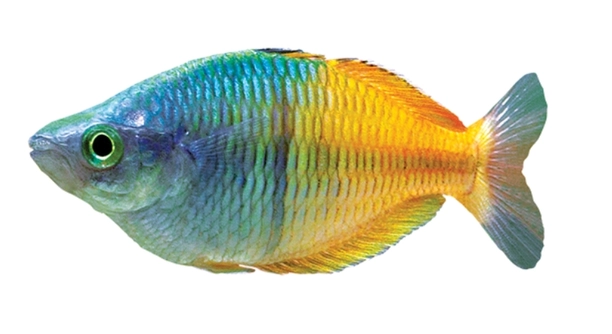
Rainbow fish are popular aquarium pets, known for their vibrant colors and graceful movements. However, owners may notice that these fish sometimes dart to corners suddenly, creating confusion or concern. Understanding this behavior can be helpful.
Rainbow fish often dart to corners suddenly due to stress, territorial instincts, or fear. A sudden movement may be a reaction to perceived threats, changes in water conditions, or even overcrowding. These factors contribute to their erratic behavior.
There are many reasons for this swift action, and recognizing these can help improve your fish’s well-being. Understanding what causes this behavior is crucial for maintaining a healthy aquarium environment.
Why Do Rainbow Fish Dart to Corners?
Rainbow fish darting to corners can be an unsettling sight for aquarium owners. This behavior is often a natural reaction to stress or environmental changes. Fish are highly sensitive creatures, and even slight alterations in their surroundings can cause them to feel threatened. It is essential to consider water temperature, tank mates, and overall habitat conditions when trying to understand why this happens. It is also worth noting that some rainbow fish species are naturally more skittish than others. When these fish are startled, they may rapidly swim towards the corners of the tank as a means of seeking shelter. Overcrowding, fluctuating water parameters, and aggressive tank mates can further heighten their sense of unease, triggering this sudden darting behavior.
A healthy environment is key to minimizing this. Ensuring that the fish have plenty of space to swim and hiding spots can ease their stress.
Aquarium owners should also monitor water quality regularly to avoid fluctuations. Sudden changes in pH, temperature, or ammonia levels can contribute to erratic swimming patterns. The darting behavior may also be a sign of discomfort or an inability to find suitable hiding spaces. Keeping the tank clean, along with observing the fish’s behavior, can help identify if there are underlying issues causing distress.
Tank Setup and Stress Factors
Proper tank setup plays a significant role in minimizing stress for rainbow fish.
A well-decorated tank with ample plants, rocks, or caves can provide the security the fish need. These elements act as hiding spots, helping to reduce anxiety when fish feel threatened.
Water Conditions and Their Impact
Water conditions directly affect the well-being of rainbow fish.
If the water parameters are unstable, it can cause the fish to react by darting to the corners of the tank. Sudden changes in temperature, pH, or ammonia levels can stress them out. It’s important to regularly check and maintain stable conditions, as fish are sensitive to even slight variations. Keeping the water clean, performing regular water changes, and using quality filtration can go a long way in reducing stress and promoting healthy behavior.
Many rainbow fish thrive in slightly acidic to neutral water with temperatures around 75-80°F (24-27°C). Keeping the water quality high ensures that the fish don’t feel the need to retreat or hide. Fish behavior can significantly change when there are fluctuations, which can cause them to dart around unpredictably. A stable environment not only supports their physical health but also helps reduce unnecessary stress, creating a peaceful atmosphere in the aquarium.
Tank Mates and Compatibility
The presence of aggressive or overly active tank mates can lead to stress.
Rainbow fish are generally peaceful but can become anxious if placed with overly aggressive or territorial species. In a tank with other fish, rainbow fish may dart to corners to avoid conflict. Certain species like fin-nipping fish or overly dominant fish can harass rainbow fish, which might cause them to swim quickly toward a corner as a defensive mechanism. Choosing the right tank mates is essential to ensure all fish can coexist peacefully and without stress.
When selecting tank mates for rainbow fish, look for peaceful species that are not overly territorial or aggressive. Peaceful community fish like small tetras or other non-aggressive species will help create a calm and comfortable environment for the rainbow fish. Be mindful of the size and temperament of potential tank mates, as certain fish may pose a threat or cause stress through constant chasing or competition for resources. It’s important to monitor behavior closely after adding new fish to ensure everyone gets along.
Overcrowding and Space
Overcrowding in a tank can lead to stress and anxious behavior in rainbow fish.
When fish are packed too tightly in an aquarium, it can increase competition for food and space, causing them to feel cornered or threatened. This can result in darting behavior as they attempt to avoid interaction or find a sense of safety. Giving each fish enough room to swim freely helps prevent these stress responses.
Fish need space to feel comfortable, and overcrowding can hinder their natural behavior. For a group of rainbow fish, aim for at least 10 gallons of water per fish to ensure they have enough room to thrive and remain calm.
Handling Stress Triggers
Recognizing and managing stress triggers can help rainbow fish feel secure.
Loud noises, sudden movements outside the tank, or drastic lighting changes can upset the fish, making them dart around the tank. They rely on a stable and predictable environment, so minimizing disturbances can help calm them down. Keeping the tank in a quiet, low-traffic area may reduce these triggers.
Lighting and Its Effect
Bright or inconsistent lighting may stress out rainbow fish.
Rainbow fish prefer a consistent light cycle and can become agitated with fluctuating light conditions. A gentle, natural lighting setup, with a period of darkness for rest, creates a more relaxed atmosphere. Proper lighting helps reduce unexpected darting.
FAQ
Why do rainbow fish dart to the corners of the tank?
Rainbow fish dart to corners as a response to stress, fear, or discomfort. They may feel threatened due to aggressive tank mates, overcrowding, or sudden changes in water conditions like temperature or pH. Their instinct is to find shelter when they feel unsafe, leading them to swim quickly to corners. Creating a calm and stable environment with appropriate tank mates and good water quality can reduce this behavior.
How can I prevent rainbow fish from darting around?
To prevent rainbow fish from darting around, focus on reducing stress factors in the tank. Ensure proper water conditions with regular water changes, monitor temperature and pH, and keep ammonia levels in check. Avoid overcrowding and choose compatible tank mates that won’t harass or stress the fish. Adding plants or hiding spots will also help the fish feel secure and lessen the need to dart for cover.
Can I add more rainbow fish to the tank if they’re darting around?
Adding more rainbow fish can sometimes help, but only if the tank has enough space to accommodate them. Overcrowding can increase stress, so it’s important to make sure there’s sufficient room for each fish to swim comfortably. Aim for 10 gallons of water per fish, and ensure that the tank is properly filtered. Adding more fish should be done gradually and only if the water quality and space can support them without causing additional stress.
Do rainbow fish dart when they’re hungry?
Rainbow fish may dart around in search of food, but this behavior is usually more related to stress or discomfort than hunger. If the fish are not getting enough food, they may become more active, especially during feeding time. However, if they are frequently darting even after feeding, it’s more likely due to other stress factors like water quality or tank mates. Regular feeding schedules and proper portions can help keep the fish calm.
Can water temperature affect darting behavior in rainbow fish?
Yes, water temperature is a crucial factor. Rainbow fish are sensitive to temperature changes, and fluctuations can cause stress, making them dart to corners. They thrive in water temperatures between 75-80°F (24-27°C). If the water is too cold or too hot, it can disrupt their behavior and immune system, leading to erratic swimming. Keeping the temperature stable within the ideal range helps keep rainbow fish calm and healthy.
What tank mates are best for rainbow fish?
Rainbow fish are generally peaceful, but choosing the right tank mates is essential. Peaceful species like small tetras, guppies, or Corydoras catfish work well with rainbow fish. Avoid placing them with aggressive or territorial species, as this can cause stress and trigger darting behavior. Fish that are too active or fin-nipping can also create anxiety. Look for tank mates that won’t compete for resources or provoke aggression.
Can I add decorations to reduce darting behavior?
Yes, adding decorations like plants, rocks, and caves can help reduce darting behavior. These additions provide hiding spots and safe spaces for the rainbow fish, allowing them to retreat when they feel stressed. Natural plants also help improve water quality by absorbing excess nutrients, which can further reduce stress and promote a healthier environment. Be sure to leave enough open space for the fish to swim freely, as overcrowded decorations can lead to stress.
How often should I perform water changes to keep rainbow fish calm?
Regular water changes are essential for keeping rainbow fish healthy and reducing stress. Aim for a 20-30% water change every 1-2 weeks, depending on the size of your tank and the number of fish. This helps maintain water quality, removes excess waste, and prevents harmful toxins like ammonia from building up. Clean water will also encourage calm behavior in your rainbow fish, as they will feel more comfortable and secure in a stable environment.
Is it normal for rainbow fish to dart during the night?
Rainbow fish may dart around more at night if they feel insecure, but it’s not always normal. They are more likely to be active during dawn and dusk, as they are naturally more active in low light. However, if they’re darting excessively at night, it may be a sign of stress caused by poor water quality, an aggressive tank mate, or environmental factors like sudden changes in light or temperature. Try dimming the lights at night and ensuring the tank is calm and stable to help the fish feel secure.
Can stress-related darting cause health problems for rainbow fish?
Yes, prolonged stress from darting behavior can lead to health problems for rainbow fish. Chronic stress weakens their immune system, making them more susceptible to diseases. It can also cause fin damage, reduced appetite, and a decline in overall health. Reducing stress by maintaining stable water conditions, providing hiding spots, and ensuring compatible tank mates can prevent these health issues and improve your fish’s well-being.
Final Thoughts
Rainbow fish are beautiful and fascinating creatures, but their darting behavior can sometimes raise concerns for aquarium owners. Understanding the reasons behind this behavior is essential for creating a healthy and comfortable environment for them. Most often, darting is a reaction to stress, which can be caused by factors such as poor water quality, overcrowding, or aggressive tank mates. By identifying and addressing these stressors, you can reduce the likelihood of your rainbow fish darting around the tank. Maintaining stable water conditions and providing plenty of space and hiding spots will help your fish feel more secure.
Tank mates play a significant role in the behavior of rainbow fish. While they are generally peaceful, they can become anxious when housed with aggressive or territorial fish. This can cause them to retreat to corners or act erratically. Choosing the right tank mates is crucial for their well-being. Peaceful species that do not compete for space or food will help keep the environment calm. Ensuring that your rainbow fish have enough room to swim freely and feel safe is one of the best ways to reduce their stress.
Finally, paying attention to the overall setup of the aquarium is key. Adding decorations like plants, rocks, and caves can create hiding spots that help rainbow fish feel more secure. Regular water changes and consistent water parameters are also important for their health. By taking these steps, you can create a more peaceful and stable environment that encourages calm behavior. The occasional darting may happen, but with the right care and attention, it should become less frequent and less intense. Keeping your rainbow fish happy and healthy involves a combination of monitoring water quality, selecting compatible tank mates, and providing a comfortable space for them to thrive.

Hello,
If you enjoy the content that we create, please consider saying a "Thank You!" by leaving a tip.
Every little bit helps us continue crafting quality advice that supports the health, happiness, and well-being of pets around the world, for pets of all shapes, sizes, and species.
We really appreciate the kindness and support that you show us!