
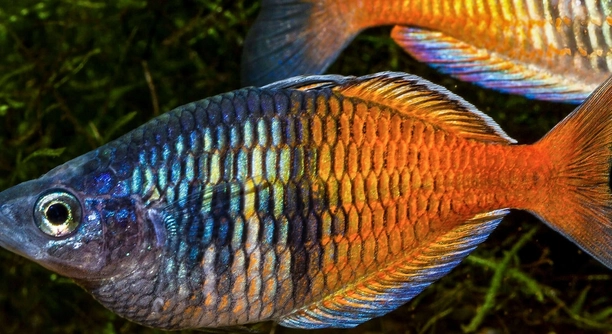
Rainbow fish are known for their stunning colors and fluid movements in the water. Their swimming patterns can seem random, but there is often a deeper reason behind their loose formations. Understanding this behavior helps reveal how they survive.
Rainbow fish swim in loose formations primarily as a defense mechanism. By staying in groups with less rigid structure, they reduce the risk of predation. The loose pattern confuses predators and makes it harder for them to target a single fish.
Understanding why rainbow fish swim this way offers insight into their survival strategies and how they navigate their environment in the wild.
Why Do Rainbow Fish Swim in Groups?
Rainbow fish are known for their tendency to swim in groups, but this behavior goes beyond just socializing. Swimming in a group offers rainbow fish protection from predators. When they move together, the confusion caused by so many fish in motion makes it more difficult for predators to single out one fish. This type of collective movement also helps in finding food and navigating their environment. As they work together, they improve their chances of survival.
A key advantage to swimming in groups is the ability to protect weaker or injured fish. If one fish is attacked, others can quickly intervene, either by distracting the predator or forming a protective barrier.
This group behavior also serves a role in finding food. Moving in a coordinated way through their environment allows rainbow fish to efficiently locate and feed on available resources. The group offers both security and opportunity for each fish in the group.
The Role of Movement in Avoiding Predators
Fish, especially rainbow fish, rely on their movement to avoid predators. Their erratic swimming patterns create confusion for predators, often preventing them from catching a single fish. In a group, they can outsmart potential threats.
The key to their survival lies in how they move. Unlike species that stick to fixed formations, rainbow fish keep things unpredictable. Their loose, fluid movements keep them out of the range of predators, who can’t focus on just one fish when there are so many moving in different directions. This is especially important when swimming through areas with many predators.
When faced with danger, rainbow fish instinctively scatter and regroup. This strategy reduces the likelihood of being caught. The greater the group, the more confusion they create. As a result, predators are left with the challenge of deciding which fish to pursue, if any at all.
Benefits Beyond Protection
Swimming in groups isn’t just about evading predators; it also provides social benefits. Rainbow fish communicate with each other and use body language to convey their intentions. This cooperation ensures that the group remains united while they search for food and avoid dangers.
Rainbow fish use their movement to display unity, signaling to each other where the best resources or safest areas are. This is particularly important when navigating complex environments. Whether it’s staying near plant cover or following migratory routes, each fish contributes to the group’s overall success.
Even when they are not facing predators, rainbow fish still rely on group dynamics to help them stay safe and thrive in their aquatic habitats. Their natural instincts keep them alert and responsive to changes around them, helping them remain adaptable in various environments.
The Effect of Environmental Factors
Water conditions play a significant role in how rainbow fish interact within their groups. Factors such as water clarity, temperature, and flow influence their movements. In murky water, for example, they may rely even more on the protection provided by their numbers.
Rainbow fish also adjust their behavior according to the time of day. They are often more active in the morning and late afternoon when it is easier to find food and escape predators. During these times, they swim in tighter formations, but still maintain enough space to avoid becoming an easy target.
Temperature and water flow can also change the behavior of rainbow fish, influencing how they form groups. In warmer water, they may spread out more, but in cooler water, they huddle together for warmth. In areas with strong currents, they might swim together to conserve energy.
How Do Rainbow Fish Choose Their Group?
Rainbow fish choose their groups based on a combination of factors like size, age, and behavior. Fish tend to join schools that offer them the best chance for protection and success. Smaller fish may gravitate toward larger ones for added security.
The size and health of the group can influence a rainbow fish’s choice. Fish naturally look for a group that feels safe and includes individuals with similar characteristics. These groups provide the most benefits, such as reduced stress and better food availability. Additionally, a healthy group can guide the fish toward finding the best resources.
Rainbow fish use their instincts to evaluate the behavior of others before joining. They are attracted to active, alert groups and tend to avoid groups that seem weak or disorganized. These behaviors ensure that the fish are in the most optimal environment for survival.
The Importance of Coordination in Schools
Coordinated movement is a vital part of how rainbow fish stay safe in their schools. They rely on visual cues and signals from nearby fish to navigate and avoid predators. This coordination increases their chances of survival.
Fish in a school move in harmony to create an impression of a larger, more threatening group. Predators find it harder to pick out a single fish when they are all moving together in similar patterns. The group may change direction quickly in response to environmental cues, ensuring that the predator remains confused and unable to target one individual.
Coordination within a school is also essential for feeding. When a group moves in sync, they increase their chances of locating food and keeping track of valuable resources. Their behavior helps them exploit the best feeding opportunities and stay ahead of potential threats. This cooperation enhances the group’s overall success.
How Rainbow Fish Communicate in Groups
Rainbow fish communicate using subtle body movements and color changes. These signals help them coordinate with others in the group. Their ability to read these cues ensures they move as one, improving their chances of avoiding predators.
Fish use a combination of body language and color patterns to communicate their intentions. When one fish spots a predator, it may change its color or posture to signal the others. This quick response triggers the entire group to scatter, preventing them from becoming an easy target. The fish instinctively understand these signals, ensuring smooth group movement.
While color changes play a key role in communication, physical gestures like body posturing or tilting can also indicate intent. These communication methods are fast and efficient, ensuring that every fish in the group can react in a timely manner.
How Schools Help Rainbow Fish Find Food
Schools of rainbow fish are highly effective when it comes to finding food. The group moves together, helping each individual find resources more quickly. Swimming as a school also increases the chances of locating the best feeding spots.
In addition to finding food more easily, the group also makes feeding less risky. Predators are less likely to focus on a single fish when there are many. With the security of numbers, each fish is free to focus on feeding without worrying about becoming prey.
The coordinated movements of the group help them efficiently cover large areas in search of food. The constant motion ensures that they’re always on the move, improving their chances of locating the best feeding grounds.
What Happens When a Rainbow Fish Is Isolated?
Being separated from the group can be dangerous for a rainbow fish. Without the protection of a school, it becomes more vulnerable to predators. The lack of safety leads to higher stress levels and potentially fatal situations.
When isolated, rainbow fish lose the support of their group’s defense mechanisms. They are less able to escape from predators and may struggle to find food. This isolation increases the likelihood of being targeted by larger animals, making it difficult for the fish to thrive alone.
FAQ
Why do rainbow fish swim in loose formations instead of tightly packed schools?
Rainbow fish prefer loose formations because it helps them avoid predators more effectively. When they swim in a less structured group, it creates confusion for predators. A tightly packed school is easier to target, but when the fish are spread out, the predator struggles to focus on any one individual. This strategy makes it harder for the predator to single out a fish, increasing the group’s chances of survival. Loose formations also allow the fish to quickly change direction if needed, providing additional flexibility for escaping threats.
Do rainbow fish always swim in groups?
While rainbow fish are social creatures and often form schools, they may not always swim in groups. In the wild, you might find some individuals swimming alone, especially if they are searching for food or exploring new areas. However, when they feel threatened or are in need of protection, they tend to group together. In aquariums, rainbow fish are more likely to swim in schools, as they feel safer and more comfortable in groups. They often feel a sense of security from the presence of other fish, which is why they tend to swim together most of the time.
How do rainbow fish communicate with each other?
Rainbow fish communicate primarily through body movements and color changes. When they want to warn others of a predator, they may alter their color patterns or adjust their body posture. These signals help the group respond quickly to danger, either by scattering or shifting direction. Additionally, some fish will use more subtle movements, such as flicking their tails or nudging each other, to convey messages. This form of non-verbal communication is highly effective and helps maintain the coordination needed to stay safe and find food. The use of color signals also helps establish social hierarchies within the group.
Why do rainbow fish change color?
Rainbow fish are known for their vibrant colors, and these can change depending on factors such as mood, health, and environment. When a rainbow fish feels threatened, it may darken in color as a warning sign to other fish in the group. On the other hand, when they are relaxed or content, their colors may brighten, displaying a range of hues that are a signature feature of their species. Color changes are also used for mating displays or to assert dominance over other fish in the group. In general, these color changes are a way for rainbow fish to communicate with their environment and each other.
How do rainbow fish find food in groups?
Rainbow fish find food more efficiently when swimming in groups. As a school, they can cover a larger area, increasing the likelihood of finding food. Additionally, the movement of the group can help draw attention to food sources, especially if the fish are feeding on plankton or small invertebrates that drift in the water. Since rainbow fish often feed in shallow waters or along the edges of aquatic plants, their coordinated movements allow them to move easily between feeding spots. By working together, they maximize their chances of locating resources and securing food.
Do rainbow fish rely on their school for protection from predators?
Yes, rainbow fish rely heavily on their school for protection. Swimming in a group offers a significant advantage when it comes to evading predators. The chaotic motion of a school of rainbow fish makes it difficult for predators to focus on any single individual, which confuses and disorients them. In some cases, if a predator approaches, the school can scatter in different directions, making it harder for the predator to target just one fish. The more organized the school, the better the chances of survival for each member of the group. Therefore, rainbow fish instinctively gather in schools for safety.
What happens if a rainbow fish gets separated from the group?
If a rainbow fish is separated from its group, it becomes more vulnerable to predators. Without the protection of the school, the fish is exposed and may struggle to defend itself. Being alone also increases the fish’s stress levels, as it loses the support system provided by the group. In addition to facing more danger from predators, a lone rainbow fish might find it harder to locate food. The presence of a school ensures that the fish are constantly alert to their surroundings, and without it, survival becomes much more difficult.
Can rainbow fish form schools with other species?
Rainbow fish typically prefer to form schools with their own kind, as they share similar behavioral traits and environmental needs. However, in some cases, they may swim alongside other species, particularly in large aquariums or natural habitats where different fish cohabit. These mixed schools can be temporary, but rainbow fish will still primarily stick with their own group for the most part. The primary reason for this is that their behavior, such as swimming patterns and communication methods, is more compatible with other rainbow fish than with species that may have different habits. In mixed-species schools, the rainbow fish might still maintain their instinctive social structure.
Are there any predators that target rainbow fish?
Rainbow fish face various predators in their natural habitats, such as larger fish, birds, and reptiles. In freshwater environments, predatory fish like larger cichlids and catfish may pose a threat to rainbow fish, especially when they are young or weak. Birds such as kingfishers and herons may also target rainbow fish when they swim close to the water’s surface. While their schooling behavior and ability to change direction quickly help them evade many predators, they are not entirely safe from the larger and more skilled hunters in their environment. It is this constant threat of predation that drives them to form schools and swim in loose formations.
How do rainbow fish adapt to changing water conditions?
Rainbow fish are adaptable creatures and can adjust to a variety of water conditions. They are generally found in environments with moderate water flow, but they can survive in both calm and more turbulent waters. When water conditions change, such as fluctuations in temperature or salinity, rainbow fish will adjust their behavior. They may move to areas with more favorable conditions, like cooler or warmer pockets of water, depending on their needs. Their ability to tolerate a range of conditions is essential for their survival, especially in habitats that experience seasonal changes.
Final Thoughts
Rainbow fish are fascinating creatures, particularly when it comes to their behavior in groups. Their ability to communicate through body movements and color changes plays a key role in their survival. By swimming in loose formations, rainbow fish not only increase their chances of finding food but also protect themselves from predators. Their social nature ensures they remain safe and efficient in their environment. Understanding these behaviors can help us appreciate how these small fish manage to thrive in their habitats.
In addition to their group dynamics, rainbow fish also show remarkable adaptability to various water conditions. Whether they are adjusting to changes in temperature or salinity, they are able to find ways to survive in both calm and fast-moving waters. Their ability to form temporary mixed-species schools, though they prefer their own kind, further highlights their flexibility in the wild. This adaptability is one of the reasons rainbow fish have managed to remain a common species across diverse environments.
As we observe their behavior and interactions, rainbow fish remind us of the importance of cooperation and communication in the natural world. Their survival strategies, from coordinating movements in loose formations to relying on their schools for protection, showcase how every individual contributes to the success of the group. These traits, rooted in instinct and natural behavior, offer valuable lessons in how species evolve and adapt to their surroundings. Studying these fish provides insight into the complex, interconnected systems that make up their ecosystems.

Hello,
If you enjoy the content that we create, please consider saying a "Thank You!" by leaving a tip.
Every little bit helps us continue crafting quality advice that supports the health, happiness, and well-being of pets around the world, for pets of all shapes, sizes, and species.
We really appreciate the kindness and support that you show us!