
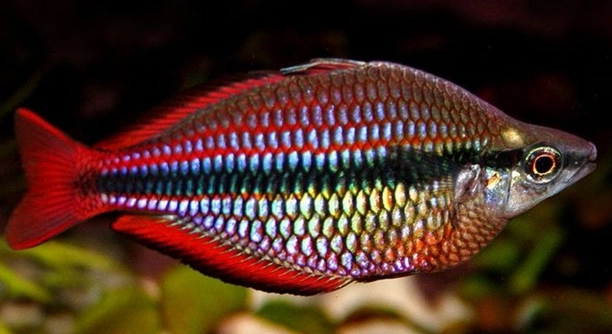
Rainbow fish are popular in many home aquariums, known for their bright colors and lively behavior. As aquarium enthusiasts, we often wonder how much these fish remember about their environment and if they can recall past tank layouts.
Research suggests that rainbow fish may have the ability to remember certain aspects of their surroundings, including tank layouts. While their memory might not be as complex as humans’, studies show they can recognize familiar spaces, which aids in navigating their environment.
Understanding the memory capabilities of rainbow fish can help create better living conditions. We’ll explore how these fish interact with their surroundings and what that means for tank setups.
How Fish Perceive Their Environment
Rainbow fish have a strong ability to recognize their tank’s layout, including objects like plants, rocks, and decorations. This recognition helps them feel safe and comfortable in their space. Fish are sensitive to environmental changes, and they may become stressed when things are rearranged. Their environment acts as a guide for where they swim and hide. Fish, especially rainbow fish, rely on spatial memory to remember the arrangement of these elements. They might not remember every detail but can distinguish familiar spots. This memory is vital for their overall well-being, as it influences how they move through the tank.
Their ability to remember tank layouts suggests they might learn patterns over time. When objects are moved, rainbow fish might take a bit of time to adjust. This shows that they rely on familiar settings to feel secure and orient themselves. The more stable their environment, the less likely they are to experience stress.
Rainbow fish will adapt if changes occur, but it can take time for them to learn new surroundings. Over time, they can adjust their swimming patterns to the new setup. It’s important to introduce changes slowly to prevent stress. When making adjustments, it’s helpful to monitor their behavior. If they seem disoriented or avoid certain areas, they may need more time to adjust. A well-planned environment, with gradual changes, helps rainbow fish feel at ease and thrive.
Factors That Influence Memory Retention
Water quality and tank conditions play a big role in a rainbow fish’s ability to remember their surroundings. If the tank is clean and the water is at the right temperature, they tend to be more active and aware. Proper lighting and a stable environment encourage their memory retention.
Memory and Tank Changes
Fish can remember the layout of their tanks, but significant changes can disrupt this. When you move decorations, plants, or rocks, they might initially seem confused or hesitant. However, they usually adjust over time as they learn the new setup. Gradual changes are the key to minimizing stress for your rainbow fish.
Rainbow fish rely on memory to navigate their environment. When items in the tank are rearranged, they might spend more time near their usual spots, trying to find familiar landmarks. This period of adjustment is common, and their memory plays a crucial role in how they reacquaint themselves with the new arrangement. Larger changes, like switching out decorations or adding new ones, may take longer for the fish to adjust to, as their previous memory of the tank layout has been disrupted.
If you do make significant changes, it’s best to allow the fish time to reorient themselves. A sudden move of a favorite hiding spot can leave them feeling vulnerable or stressed. Keeping the environment stable as much as possible helps your rainbow fish thrive, especially in terms of memory retention and comfort.
The Role of Tankmates in Memory
Tankmates also influence the memory and behavior of rainbow fish. They interact with each other and share the space, which can affect how fish navigate and remember their surroundings. Friendly tankmates can create a positive environment that reinforces their memory of the space.
How Fish Interact with Tank Layouts
Rainbow fish interact with their environment based on their memory of it. They swim around familiar spots, using objects like plants or rocks as markers. If the layout changes, they might feel disoriented until they can reestablish their mental map of the tank.
This is why tank decorations are important. Fish use these elements to navigate, hide, or even sleep. If you frequently change the setup, the fish will need more time to adjust and may appear confused. Stability in tank design helps the fish feel secure and reduces the stress caused by unfamiliar changes.
Memory and Feeding Habits
Fish often associate certain areas with feeding. If you regularly feed them in the same spot, they will start to remember that area and swim there when they sense feeding time. This type of routine reinforces their memory of the tank layout.
FAQ
Do rainbow fish have a good memory?
Rainbow fish are capable of remembering their environment, although their memory isn’t as developed as humans. They can recognize familiar objects in their tank, such as plants, rocks, and decorations. This helps them feel more comfortable in their surroundings. While they may not remember complex details, their spatial memory allows them to navigate their tank efficiently, especially when they are familiar with certain landmarks. This means they can quickly get used to the layout and feel more secure in the tank, but changes can cause temporary confusion.
How long do rainbow fish remember their tank layout?
The memory of rainbow fish seems to last for a reasonable period, but it varies depending on the individual fish and the amount of change in the tank. If the environment remains stable, their memory of the layout can last for weeks or even months. However, if major changes occur, like the removal or rearrangement of significant tank features, it can take a while for them to adapt. The more frequently the layout is altered, the harder it becomes for them to retain a clear memory of the tank’s structure.
Can rainbow fish recognize their owners?
Rainbow fish do have the ability to recognize their owners, though their recognition might be more based on routine and association rather than personal interaction. If they associate you with feeding or care, they may swim toward you when you approach the tank. While their recognition is not as complex as some other pets, they are still capable of associating people with positive experiences, such as food.
Do rainbow fish get stressed if the tank layout changes?
Yes, rainbow fish can experience stress when the layout of their tank changes. Their memory of familiar landmarks helps them feel secure in their space. If the tank is rearranged too drastically, they may become confused or anxious as they try to navigate the new environment. To minimize stress, it’s a good idea to make gradual changes rather than sudden, large ones. This gives the fish time to adapt and reorient themselves, which helps maintain their comfort and well-being.
How can I help my rainbow fish adjust to a new tank layout?
To help rainbow fish adjust to a new tank layout, it’s important to make changes slowly and in small increments. Gradually moving decorations or introducing new plants allows the fish time to adapt without overwhelming them. If possible, try not to change their favorite hiding spots or feeding areas, as these are important for their sense of security. Keeping the water quality stable and ensuring the tank remains clean during transitions also helps reduce stress during the adjustment period.
Do rainbow fish have a sense of time?
Rainbow fish do not have a highly developed sense of time, but they are able to recognize patterns and routines. For example, they can learn when feeding times are and begin to swim toward the surface as they anticipate food. They may also learn to associate certain activities or events with specific times of day, like the lights being turned on or off. While they don’t have a precise understanding of time like humans, their behavior can be influenced by these regular patterns.
Does the presence of other fish affect rainbow fish’s memory?
The presence of other fish in the tank can have an impact on rainbow fish, both positively and negatively. On one hand, a peaceful community of tankmates can make rainbow fish feel more secure, which might help them retain memories of the tank layout. However, aggressive or overly dominant fish can cause stress, which might make it harder for rainbow fish to focus on remembering their surroundings. The overall harmony in the tank will influence how easily rainbow fish can remember their environment.
Can rainbow fish forget their tank layout?
Rainbow fish can “forget” their tank layout temporarily if major changes occur. This is especially true if new elements are introduced into the tank or if there is a significant disruption in their environment, like a tank cleaning. However, after some time, they can relearn the layout. The memory of their surroundings is not permanent, and if the layout remains consistent, they will retain their knowledge of it for longer periods.
Is it okay to change the layout of the tank frequently?
Frequent changes to the tank layout are not ideal for rainbow fish. While they can adapt to new arrangements over time, constantly changing their environment can cause unnecessary stress. Fish rely on familiarity to feel secure in their space. If the layout is changed too often, it may interfere with their ability to navigate and make them feel unsettled. It’s best to keep changes minimal and only make them when necessary to prevent disrupting their routine and memory.
How does water quality affect rainbow fish memory?
Water quality plays a significant role in a rainbow fish’s ability to remember their tank layout and maintain overall health. Poor water conditions can lead to stress, which in turn can impair memory and behavior. Rainbow fish thrive in clean, stable water that is properly filtered, with correct temperature and pH levels. When the water is of high quality, the fish are more likely to be active, alert, and able to remember their environment with ease. Keeping the water in optimal condition can reduce stress and support their cognitive functions.
Final Thoughts
Rainbow fish have an impressive ability to remember their tank layout, but it’s not an unlimited or perfect memory. These fish rely on their environment to navigate, and when they become familiar with the placement of objects in their tank, it helps them feel secure. However, sudden or frequent changes to the layout can confuse them and cause stress. They may need time to adjust and reorient themselves, so it’s important to keep this in mind when rearranging their space. Stability in their environment can help keep them calm and reduce any unnecessary stress.
While rainbow fish don’t have complex memories like humans, they can still recognize familiar objects and associate them with safety, food, or hiding spots. This simple form of memory plays a big role in their overall comfort and well-being. If you want to ensure your fish are happy and healthy, try to avoid making major changes to the tank layout all at once. Gradual adjustments can help ease their transition. Monitoring their behavior during these changes is also important, as signs of confusion or stress may mean that the new layout is overwhelming them.
In conclusion, rainbow fish are capable of remembering their tank layout for a reasonable amount of time. Their memory is useful for navigating their space, but it can be disrupted by large changes. A stable environment, along with minimal changes, will help keep them comfortable and reduce stress. By understanding how rainbow fish interact with their environment and memory, you can create a better habitat for them, allowing them to thrive in a space they recognize and feel at home in.

Hello,
If you enjoy the content that we create, please consider saying a "Thank You!" by leaving a tip.
Every little bit helps us continue crafting quality advice that supports the health, happiness, and well-being of pets around the world, for pets of all shapes, sizes, and species.
We really appreciate the kindness and support that you show us!