
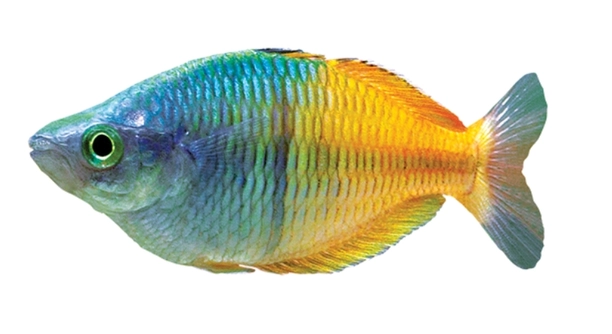
Rainbow fish are known for their vibrant colors and active nature. But like any creature, they have their quirks. Sometimes, the simplest things can confuse them, leaving their behavior puzzling to even experienced fish keepers.
Rainbow fish can easily become disoriented by sudden changes in their environment. Whether it’s a change in water temperature, light intensity, or the introduction of new tank mates, these small fish react quickly to disturbances.
Understanding what causes confusion in rainbow fish can help improve their care and make their environment more comfortable. From water conditions to tank setup, exploring these factors can lead to better health and happier fish.
Sudden Water Temperature Changes
Rainbow fish are highly sensitive to changes in water temperature. Even small fluctuations can confuse them, leading to stress or changes in their behavior. A drop or rise of just a few degrees can make them swim erratically or even cause them to hide more often. Maintaining a consistent temperature in their tank is essential for their well-being.
Their bodies rely on stable water conditions to regulate their internal systems. Without this balance, rainbow fish may find it difficult to adjust and may become more prone to illness. This stress can also lead to decreased activity levels and, over time, affect their overall health.
To avoid temperature shock, it’s best to invest in a reliable aquarium heater and thermometer. Regularly check that the water temperature stays within the ideal range for your fish. Any sudden changes should be avoided, especially when doing water changes or moving them to new tanks.
Light Intensity
Bright or erratic lighting can make rainbow fish feel uneasy.
Sudden shifts in light intensity can make them confused and cause them to retreat into darker areas of the tank. Too much light may also increase algae growth, which further disrupts the environment. A consistent lighting schedule is key to ensuring rainbow fish feel secure.
Their natural habitat experiences gradual changes in light throughout the day, so replicating this is beneficial. A gentle, consistent light cycle mimics their natural environment, allowing them to adapt and feel at ease. Excessive light, particularly for long periods, may cause stress and behavior changes. Consider using a timer for your lights to regulate the day-night cycle. This consistency not only helps with your fish’s comfort but also encourages healthy sleep patterns, ensuring they are rested and active during the day.
New Tank Mates
Introducing new tank mates can confuse rainbow fish, especially if the new additions are much larger or more aggressive. Their instinct is to protect their territory, leading to changes in behavior, like hiding or avoiding certain areas of the tank.
Adding new fish to a tank disrupts the balance, and the rainbow fish might feel threatened. This stress can result in erratic swimming patterns, refusal to eat, or even bullying by more dominant tank mates. It’s important to slowly introduce new fish, allowing the rainbow fish to adjust.
A proper acclimatization period for the new arrivals can help minimize confusion. Keep an eye on their interactions and make sure there’s plenty of space for everyone. If aggression becomes an issue, consider rearranging the tank to reduce territorial disputes. Additionally, choosing peaceful tank mates with similar water requirements will help maintain a harmonious environment.
Poor Water Quality
Rainbow fish are very sensitive to poor water quality. High levels of ammonia, nitrites, or nitrates can cause confusion, making them stressed and unhealthy. Keeping the water clean and well-maintained should be a top priority.
Contaminated water leads to poor health, making rainbow fish more prone to diseases and behavioral changes. They may begin to swim erratically, show less activity, or develop skin issues. Regular water testing and frequent water changes are crucial in maintaining a stable, clean environment. Using a reliable filtration system helps, but it’s essential to monitor the water parameters consistently.
Overcrowding can also contribute to poor water quality. Make sure to follow the recommended stocking levels for your tank. Avoid overfeeding, as excess food decomposes and pollutes the water. By keeping the water in good condition, you not only improve your fish’s health but also ensure they stay active and comfortable.
Overfeeding
Overfeeding is a common issue that can confuse rainbow fish. It leads to poor water quality, causing stress and behavioral changes. When fish are constantly offered more food than they can consume, it disrupts the balance of their environment.
Excess food decays in the tank, raising ammonia and nitrate levels, which harms the fish. Rainbow fish may become sluggish or agitated when their tank isn’t kept clean. To prevent this, offer only as much food as they can eat in a few minutes. Regularly clean any uneaten food to maintain a healthy environment.
Aggressive Tank Mates
Aggressive tank mates can make rainbow fish feel threatened and confused. They may avoid certain areas of the tank or show signs of stress, like hiding or losing their appetite.
Aggression among fish can disrupt the peaceful nature of the tank, especially for rainbow fish that prefer a calm environment. It’s important to research the temperament of any new fish before adding them to the tank. If aggression occurs, consider rearranging the tank or separating the fish to reduce stress and encourage peace.
Inconsistent Tank Maintenance
Inconsistent tank maintenance can cause confusion for rainbow fish. They thrive in a stable environment, and neglecting regular cleaning or water testing can lead to rapid changes that unsettle them.
Maintaining your tank’s cleanliness and stability is key to ensuring your rainbow fish stay healthy. Regular water changes, proper filtration, and checking for any build-up of debris will help keep the environment comfortable. A well-maintained tank allows your fish to feel secure and less stressed, contributing to their overall well-being.
FAQ
What is the ideal water temperature for rainbow fish?
Rainbow fish thrive in water temperatures ranging from 72°F to 78°F (22°C to 25°C). Consistency is important, as even small changes in temperature can stress them. A reliable heater and thermometer are essential to maintain a stable environment. Fluctuations outside this range can lead to health problems and confused behavior.
Can rainbow fish live with other fish?
Yes, rainbow fish can live with other peaceful species. However, be cautious when introducing new tank mates. Aggressive or territorial fish can cause stress and confusion for rainbow fish. It’s best to choose tank mates that have similar water and temperament needs to keep the environment calm and balanced.
How often should I feed rainbow fish?
Rainbow fish should be fed once or twice a day. Only provide as much food as they can consume in 2-3 minutes. Overfeeding can lead to poor water quality and stress. It’s important to remove any uneaten food to prevent it from decomposing and affecting the water conditions.
Why are my rainbow fish swimming erratically?
Erratic swimming can be a sign of stress, poor water quality, or environmental changes. Check the water parameters, including ammonia, nitrite, and nitrate levels. Ensure the tank is properly filtered and the water is clean. If new fish were recently added or there’s been a sudden change, that may also be a cause.
What should I do if my rainbow fish are hiding a lot?
Rainbow fish may hide if they feel stressed, threatened, or uncomfortable in their environment. Check for any sudden changes, such as a new tank mate, change in water conditions, or bright lighting. Ensure the tank has plenty of hiding spots and that the water quality is optimal to reduce their anxiety.
Can rainbow fish be kept in a small tank?
While rainbow fish can survive in smaller tanks, a larger tank is generally better. They need space to swim and explore, as they are active fish. A tank size of at least 30 gallons is recommended for a small group. This helps maintain water quality and gives them room to thrive.
How can I tell if my rainbow fish are healthy?
Healthy rainbow fish should be active, swim confidently, and have bright, vibrant colors. Look for any signs of disease, such as faded colors, clamped fins, or unusual swimming behavior. Regularly check the water quality and make sure they’re eating well. Healthy fish will be social and curious about their environment.
Do rainbow fish require special lighting?
Rainbow fish don’t require special lighting, but they do benefit from a consistent light cycle. A gentle light with a day and night cycle mimics their natural habitat and helps regulate their biological clock. Too much light or sudden changes can cause stress, so it’s best to avoid harsh or flickering lights.
Can rainbow fish live in saltwater?
No, rainbow fish are freshwater species and cannot live in saltwater. They are adapted to living in freshwater environments with specific water parameters. Keeping them in saltwater will cause severe stress and ultimately lead to their death. Stick to freshwater setups to ensure their survival.
How do I prevent rainbow fish from becoming stressed?
To prevent stress in rainbow fish, keep the tank environment stable. Regularly check water parameters like pH, ammonia, nitrate, and nitrite levels. Avoid sudden changes in temperature, lighting, or tank mates. Ensure the tank has plenty of hiding spots and that the fish feel safe and comfortable at all times.
Final Thoughts
Rainbow fish are beautiful and active creatures, making them a great addition to any aquarium. However, they are sensitive to changes in their environment, and even small disturbances can cause confusion or stress. Whether it’s changes in water temperature, lighting, or the introduction of new tank mates, these factors can quickly disrupt their balance. Understanding the factors that confuse rainbow fish can help you create a more stable, comfortable habitat for them. A little extra attention to their environment can go a long way in ensuring their health and happiness.
Maintaining a healthy tank for rainbow fish is not overly complicated but requires consistency. Regular water testing, proper filtration, and keeping a steady temperature are some of the key steps to take. It’s important to avoid overcrowding, keep a close eye on feeding habits, and ensure the water quality stays clean. The less disruption there is in their environment, the more your rainbow fish will thrive. Small changes, such as adjusting the lighting or adding new tank mates, should always be done gradually to minimize stress.
Ultimately, taking time to understand the needs of your rainbow fish will pay off in the long run. Their vibrant colors and lively behavior are a reward for keeping their environment stable and stress-free. By monitoring water quality, feeding habits, and maintaining a peaceful tank, you can provide a home that allows your rainbow fish to feel safe and flourish. A little care goes a long way in ensuring that these fish live healthy, happy lives in your aquarium.

Hello,
If you enjoy the content that we create, please consider saying a "Thank You!" by leaving a tip.
Every little bit helps us continue crafting quality advice that supports the health, happiness, and well-being of pets around the world, for pets of all shapes, sizes, and species.
We really appreciate the kindness and support that you show us!