
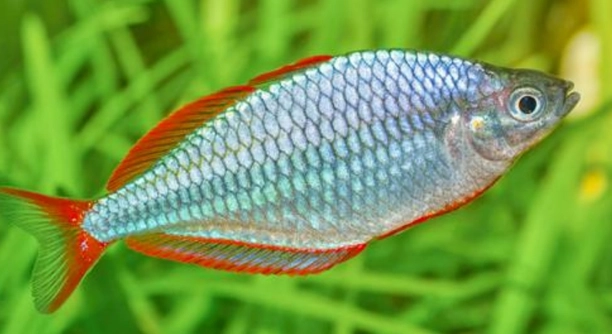
Rainbow fish are known for their vibrant colors and lively behavior. Their keen senses help them navigate their aquatic environment. Understanding their perception abilities can reveal how they interact with their surroundings, including sensing the presence of others.
Rainbow fish have excellent sensory abilities, particularly through their lateral line system, which detects vibrations and movements in the water. This allows them to sense nearby fish or even the presence of humans in their environment.
Their ability to detect subtle changes in their surroundings highlights how sensitive they are to movements.
The Sensory System of Rainbow Fish
Rainbow fish have a highly developed sensory system that helps them thrive in their aquatic environment. Their lateral line, a specialized organ along their body, detects vibrations and water movement. This system is particularly useful for avoiding predators and navigating through schools of fish. Their vision is sharp, but their primary sense of detection comes from their lateral line. This system allows them to pick up on even the slightest disturbances, such as the movements of other fish or the presence of larger creatures in the water. The ability to sense changes in water pressure also aids in locating food and detecting changes in their surroundings. With such finely tuned senses, rainbow fish are well-equipped to respond quickly to any potential threats or opportunities in their environment.
Despite their reliance on their lateral line, rainbow fish also rely on other senses to navigate their habitat. Their eyes help them to identify objects and other fish around them. This combination of senses allows them to thrive in their environment.
Their acute sensitivity to their surroundings enables them to stay alert, avoid predators, and interact effectively with other fish.
How Rainbow Fish Respond to Movement
Rainbow fish are highly responsive to any movement in their environment. They can detect even the smallest vibrations or ripples in the water. Their reactions are quick, often darting away from perceived threats or swimming toward sources of food. This heightened awareness is essential for their survival, as it helps them avoid dangers and find resources.
The ability to sense movement plays a key role in their social interactions as well. Rainbow fish often move in schools, where they coordinate their movements to stay together and avoid being singled out by predators. This synchronization is made possible by their sensitivity to water movement and vibrations. As a result, they can swim in tight formations and react as a group to sudden disturbances.
Rainbow fish use this sharp sense to communicate with one another, too. For instance, when one fish detects a change in the water, others will often follow its lead and respond in the same way. This ability to sense the presence of movement is crucial not only for avoiding danger but also for maintaining group cohesion and finding food.
The Role of Water Chemistry in Rainbow Fish Sensitivity
Water quality plays a significant role in how rainbow fish sense their surroundings. They are highly sensitive to changes in water temperature, pH, and salinity. These factors can directly influence their sensory systems. Poor water conditions may reduce their ability to detect vibrations and movements in the environment, affecting their overall well-being.
Rainbow fish depend on stable water conditions for optimal sensory function. Sudden shifts in temperature or pH levels can make them more stressed and less responsive. A decrease in sensitivity means they are more vulnerable to predators and less likely to successfully interact with their environment. It’s crucial to maintain proper water conditions to keep them active and healthy.
Maintaining the right water parameters helps ensure that rainbow fish can fully utilize their sensory capabilities. The clearer the water, the easier it is for them to detect vibrations and movements. Proper filtration, regular water changes, and temperature regulation are key in preserving their sensory effectiveness.
Impact of Tank Environment on Rainbow Fish Behavior
The tank environment affects rainbow fish’s ability to sense their surroundings. The size and structure of the tank can influence how effectively they interact with their environment. Smaller tanks with limited hiding spots may cause stress, leading to decreased sensitivity.
Larger tanks with more hiding spots provide rainbow fish with a sense of security. When they feel safe, their sensory systems are more effective, allowing them to better detect changes in their environment. They are also less likely to be overwhelmed by stimuli and can focus on their natural behaviors, such as schooling and foraging. Creating an environment that mimics their natural habitat will encourage these behaviors and improve their overall health.
Providing a well-structured tank with plants and rocks not only enhances the aesthetic but also supports the sensory capabilities of rainbow fish. They can detect movements in the water more effectively when the environment offers some natural complexity. This allows them to feel more secure and act on their instincts.
How Lighting Affects Rainbow Fish Sensitivity
Lighting plays an important role in how rainbow fish perceive their environment. Bright lighting can help them feel more alert and active, while dim lighting may make them more cautious. Understanding their preference for lighting is crucial to creating a balanced and comfortable habitat.
Rainbow fish are typically more active under moderate to bright lighting. Too much darkness can make them feel insecure, reducing their sensitivity to water changes and movements. By adjusting the lighting in their tank, you can encourage natural behaviors like schooling and feeding, which rely on their ability to detect vibrations and movement.
The Influence of Tankmates on Rainbow Fish Behavior
Tankmates influence how rainbow fish respond to their surroundings. Peaceful companions can help them feel secure and less stressed. However, aggressive or overly active fish may cause rainbow fish to retreat, lowering their sensory alertness.
When keeping rainbow fish with other species, ensure that the tankmates are compatible. Aggressive behavior from other fish can cause rainbow fish to become skittish, affecting their ability to sense movements and react accordingly. A peaceful community tank is ideal for promoting their sensory sensitivity, helping them feel safe and active.
Rainbow Fish’s Response to Human Interaction
Rainbow fish often respond to human movement, especially if they associate it with feeding time. They can sense vibrations from footsteps or even the movement of your hand near the tank. These reactions are based on their sensitivity to changes in the environment.
They may swim towards the glass or follow your finger when it moves across the tank. This response shows that they are not only aware of their surroundings but also capable of recognizing patterns in behavior, particularly when it involves food or interaction with their environment.
FAQ
Can rainbow fish recognize their owners?
Rainbow fish can recognize regular patterns in their environment, such as human movements near their tank. Over time, they may associate the presence of their owner with feeding times or other activities. While they don’t “recognize” owners in the same way a dog might, they can learn to respond to familiar human actions.
They can sense vibrations caused by your presence or movements around the tank. If they notice consistent actions like feeding or interaction, they may swim towards the area where they know food is provided. While not as advanced as some other pet species, rainbow fish can still develop a level of familiarity with their caretakers.
Do rainbow fish feel stress when you’re nearby?
Rainbow fish are sensitive to their environment, and changes in their surroundings can cause stress. However, being around their tank in a calm manner typically doesn’t cause them stress. If you move too quickly or startle them, they may become anxious, but they generally get used to the presence of their owners over time.
Their stress is more likely influenced by sudden changes in water conditions, overcrowding, or aggressive tankmates rather than your proximity alone. If you maintain a peaceful atmosphere and avoid abrupt movements, the fish are likely to feel safe and secure in their environment.
How do rainbow fish communicate with each other?
Rainbow fish communicate primarily through body language, subtle movements, and the use of their sensory systems. They often swim in schools, where their synchronized movements provide a form of group communication. They may change their swimming patterns or positions to signal safety or to indicate a shift in their environment.
Additionally, their lateral line system helps them detect small vibrations and movements, which play a role in coordinating group behavior. In some cases, rainbow fish may display body language, such as flaring or changing coloration, to communicate with one another, especially when establishing dominance or signaling distress.
How can I tell if my rainbow fish is happy?
A healthy, happy rainbow fish typically shows active, energetic behavior. They will swim around their tank, often in school formations, and will display vibrant colors. Healthy fish are alert and responsive to their surroundings, reacting to movement and water changes.
A lack of activity, dull coloration, or hiding for long periods can indicate stress or illness. It’s important to monitor their environment for signs of potential problems such as poor water quality, inappropriate tankmates, or inadequate feeding. When rainbow fish feel secure and well-maintained, they will display natural and lively behaviors.
Why do rainbow fish swim in schools?
Rainbow fish swim in schools primarily as a defense mechanism. By staying in groups, they are more likely to evade predators. Their lateral line system helps them maintain synchronized movement, allowing them to stay in close formation, which makes it harder for predators to target any one individual.
Additionally, schooling helps with social bonding and finding food more effectively. Rainbow fish feel safer in groups, as it offers protection and the ability to detect threats or changes in their environment more efficiently. They are social creatures, and schools provide them with a sense of security and stability.
How do rainbow fish react to other fish in the tank?
Rainbow fish are generally peaceful, but they can become stressed if housed with overly aggressive or territorial fish. If there is conflict in the tank, rainbow fish may hide or swim away from the trouble. They prefer to be kept with other calm species that do not pose a threat to them.
When tankmates are compatible, rainbow fish will interact peacefully. They will focus on their own activities, like schooling or foraging, without much interference from others. However, if aggressive fish disrupt the balance, rainbow fish will likely retreat and become more withdrawn.
What water temperature do rainbow fish prefer?
Rainbow fish thrive in slightly warm water, typically between 74°F and 82°F (23°C to 28°C). Maintaining a stable temperature within this range is essential for their well-being and sensory functioning. If the water is too cold or too hot, it can stress the fish and make them less responsive to their surroundings.
Consistent water temperature also plays a role in their ability to detect vibrations and movements. A stable environment helps them maintain their sensory capabilities and keeps them active and alert. Ensure your tank has a reliable heater and thermometer to regulate water temperature effectively.
Can rainbow fish live with other species?
Rainbow fish are generally peaceful and can live with a variety of other species, as long as they are not aggressive. They can be kept in community tanks with other calm, non-territorial fish. However, it’s important to avoid pairing them with fish that may outcompete them for food or harass them.
Before introducing any new species, consider the behavior, size, and water requirements of the other fish. Choosing compatible tankmates ensures that the rainbow fish remain comfortable, active, and healthy. Avoid overcrowding, as this can lead to stress and hinder their ability to sense their environment effectively.
What should I feed my rainbow fish?
Rainbow fish are omnivores and should be fed a varied diet to ensure they receive all the necessary nutrients. A combination of high-quality flakes, pellets, and frozen or live foods, like brine shrimp or daphnia, can help meet their dietary needs. They will also graze on algae and other plant matter in the tank.
Feeding should be done in small amounts, ensuring they consume everything within a few minutes to prevent overfeeding and water contamination. A balanced diet helps maintain their vibrant colors and supports their overall health, including their ability to sense and react to their environment.
How long do rainbow fish live?
On average, rainbow fish can live between 5 to 8 years, depending on their environment and care. Keeping them in optimal water conditions, providing a balanced diet, and avoiding stress can help extend their lifespan. Regular maintenance, such as water changes and tank cleaning, also plays a key role in their longevity.
Their lifespan may vary based on species, with some living longer than others. Ensuring a peaceful and healthy tank environment is the most important factor in allowing them to reach their maximum life expectancy.
Final Thoughts
Rainbow fish are fascinating creatures, known for their vibrant colors and unique behavior. They are sensitive to their environment and possess an impressive ability to sense changes in their surroundings. Understanding how they respond to stimuli, like lighting or movement, can help you create a healthier, more comfortable environment for them. Providing a suitable habitat with the right water conditions, lighting, and tankmates can improve their well-being and ensure they thrive in captivity.
While rainbow fish do not recognize their owners in the same way as other pets, they do learn to associate movements and feeding times with certain actions. This means that over time, they may come to anticipate feeding when they see you near the tank. Their ability to sense vibrations, especially through their lateral line, allows them to respond to movement and sounds in the water. This sensitivity to their environment makes them particularly responsive to changes, whether it’s a shift in water temperature or the introduction of new fish.
Caring for rainbow fish requires understanding their needs and making small adjustments to their environment to keep them happy and healthy. By maintaining a peaceful tank with compatible fish, monitoring water temperature, and providing a balanced diet, you can help ensure your rainbow fish remain active, colorful, and alert. This attention to detail will allow them to thrive and show their full potential, whether they are swimming in schools or responding to their surroundings.

Hello,
If you enjoy the content that we create, please consider saying a "Thank You!" by leaving a tip.
Every little bit helps us continue crafting quality advice that supports the health, happiness, and well-being of pets around the world, for pets of all shapes, sizes, and species.
We really appreciate the kindness and support that you show us!