
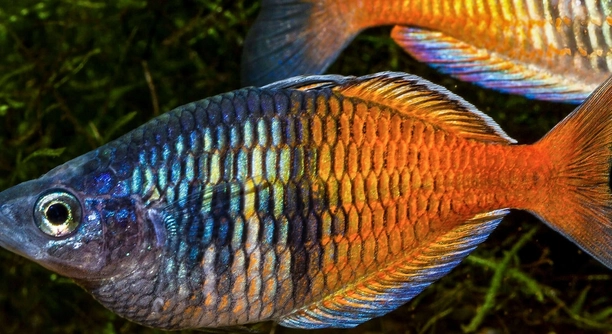
Rainbow fish are popular aquarium species known for their vibrant colors. Their tank environment plays a crucial role in their well-being. Some aquarium enthusiasts wonder whether these fish prefer a bare tank or one filled with plants.
Rainbow fish typically thrive in planted tanks, where they feel secure and can engage in natural behaviors. The presence of plants provides shelter, reduces stress, and enhances their overall health, making it the preferred environment for these colorful fish.
Choosing the right tank setup will help improve the fish’s quality of life. Understanding their natural preferences ensures their happiness and health in an aquarium setting.
Why Rainbow Fish Prefer Planted Tanks
Rainbow fish are known for their peaceful nature and vibrant colors, and they need an environment that mimics their natural habitat. In the wild, they swim through dense vegetation, which provides shelter, hiding places, and a source of food. This preference for plants helps to reduce stress and create a more comfortable space for them to thrive.
Planted tanks give rainbow fish the sense of security they need. With plants to swim around and explore, they feel less exposed and more relaxed. Additionally, plants help maintain water quality by absorbing excess nutrients and providing oxygen. This makes a planted tank not just visually appealing but also healthier for the fish.
Without plants, rainbow fish may feel more exposed, leading to stress and a decrease in their natural behavior. The absence of plants also means that their environment lacks the filtering benefits plants offer, which can negatively affect the tank’s ecosystem.
The Benefits of Plants in Rainbow Fish Tanks
Having plants in a tank offers more than just aesthetic appeal. It improves water quality by absorbing harmful compounds, creating a healthier environment for rainbow fish. Plants also provide a stable structure for the fish to explore and hide.
The addition of live plants also promotes better water parameters. As plants grow, they absorb nitrates and other chemicals that could harm the fish. This reduces the need for constant water changes, saving you time and effort. In addition, plants help stabilize the temperature by providing shading and reducing fluctuations. These factors combined make planted tanks more suitable for rainbow fish.
Additionally, live plants encourage natural behavior in rainbow fish. They can forage among the plants, swim in and out of the leaves, and even interact with other tank mates. This natural behavior is not only healthier for the fish but also adds beauty to your aquarium.
Bare Tanks vs. Planted Tanks
Bare tanks offer a simple setup that’s easy to maintain. They allow for quick cleaning and make it easier to monitor water conditions. However, without plants, the tank lacks the natural elements that rainbow fish need for a balanced environment. These fish can feel exposed and stressed in a barren tank.
Rainbow fish may struggle to adjust in bare tanks. Without plants to hide in, they can become anxious, affecting their health. The lack of filtration from plants also means the water quality may not stay as stable, leading to the need for more frequent maintenance. Without plant cover, their natural behaviors may be limited.
In a bare tank, rainbow fish are more vulnerable to aggression from other fish, making them feel unsafe. The absence of plants means there is no space to explore, which can lead to lethargy and even depression. They need stimulation and security, which plants naturally provide, creating a more balanced environment.
Setting Up a Planted Tank
Setting up a planted tank can seem intimidating, but it’s worth the effort. Start with hardy plants like Java fern or anubias, which require minimal care. Choose plants that thrive in similar water conditions to your rainbow fish, ensuring a better environment for both.
A well-planted tank provides various benefits. It allows your rainbow fish to feel at home, encouraging them to exhibit natural behaviors. The plants also help to filter the water by absorbing waste and providing oxygen, which is crucial for the fish’s well-being. This setup promotes a thriving, stable ecosystem.
The right plants can also reduce algae growth by absorbing nutrients that algae feed on. It’s essential to maintain a balance between plant life and fish load to avoid overgrowth or nutrient deficiencies. Once your tank is planted, regular maintenance like trimming plants and checking water levels will help keep everything in check.
Choosing the Right Plants for Rainbow Fish Tanks
When choosing plants for your rainbow fish tank, focus on plants that are easy to care for and can thrive in various water conditions. Popular options include Java moss, hornwort, and cryptocoryne. These plants provide both aesthetic appeal and functionality.
Select plants that are not too demanding in terms of light and maintenance. Avoid plants that require high light or complex care if you’re just starting. Plants like Amazon sword and water wisteria are great choices for beginners and can grow in moderate lighting. They also add natural hiding spots for the fish.
Maintaining a Healthy Planted Tank
Maintaining a healthy planted tank involves providing the right balance of light, nutrients, and water quality. Regularly check the water parameters, including pH, ammonia, and nitrate levels, to ensure your plants and fish are thriving.
Water changes should be part of your routine, but not overdone. Frequent water changes can disturb the tank’s ecosystem, but occasional changes are important to remove waste and toxins. Keep the plants healthy by trimming dead or overgrown leaves and ensuring they receive adequate nutrients.
Rainbow Fish and Tankmates
Rainbow fish generally do well in community tanks. They’re peaceful and can live with a variety of other species. However, choosing tankmates that share similar water conditions and are not overly aggressive is important for their well-being.
FAQ
Do rainbow fish prefer planted tanks over bare ones?
Yes, rainbow fish generally prefer planted tanks. The presence of plants provides shelter, which makes them feel more secure and reduces stress. Plants also help in maintaining water quality by absorbing excess nutrients, improving oxygen levels, and creating a more natural environment. In a bare tank, rainbow fish might feel exposed, leading to anxiety and potentially unhealthy behavior. Plants also encourage natural foraging behaviors, which are beneficial for the fish’s mental and physical health.
What plants are best for rainbow fish tanks?
Hardy plants such as Java fern, anubias, and cryptocoryne are ideal for rainbow fish tanks. These plants are easy to care for, grow well in a variety of conditions, and offer natural hiding spots. They also require minimal maintenance and are great for beginner aquarists. Plants like Amazon sword and hornwort are also good choices, as they thrive in moderate lighting and can help maintain a stable ecosystem. Choosing plants that fit the specific water parameters of your tank will ensure both the fish and plants thrive.
How often should I clean a planted tank for rainbow fish?
Cleaning a planted tank doesn’t need to be done as frequently as a bare tank. However, you should still monitor the water quality regularly. Perform partial water changes every two weeks to maintain good water parameters. Removing dead plant leaves and trimming overgrown plants can be done during these water changes to keep the tank looking neat. It’s essential not to over-clean the tank, as plants need beneficial bacteria to thrive, which can be disturbed by excessive cleaning.
Can rainbow fish live with other fish in a planted tank?
Yes, rainbow fish are peaceful and typically do well with other non-aggressive species. They can live harmoniously in community tanks with fish like tetras, guppies, and corydoras catfish. However, avoid aggressive fish that might stress the rainbow fish or compete for food. It’s important to choose tankmates that require similar water conditions, such as temperature, pH, and hardness, to ensure a stable environment for all species.
Do I need special lighting for a planted rainbow fish tank?
While special lighting is not strictly necessary for rainbow fish, plants in the tank will benefit from proper lighting. Low to moderate lighting works well for most easy-care plants, such as Java fern and anubias. Too much light can lead to algae growth, so it’s important to keep the light levels balanced. A timer can help regulate light exposure, ensuring plants get the right amount of light to grow without promoting unwanted algae.
What water parameters do rainbow fish need in a planted tank?
Rainbow fish do best in water with a pH of 6.5 to 7.5, soft to moderately hard water, and a temperature between 72°F and 78°F (22°C to 25°C). Keeping the water clean is essential, as rainbow fish are sensitive to ammonia and nitrite levels. Regular testing of water parameters, including nitrate levels, will help maintain a healthy environment for both your fish and plants. Ensure that the plants and fish are compatible with the water conditions you provide.
Do rainbow fish need a filter in a planted tank?
Yes, rainbow fish benefit from a filter in a planted tank. A filter helps maintain water quality by removing waste and excess nutrients. However, the filter should not be too strong, as rainbow fish prefer calmer waters. A sponge filter or a gentle power filter can provide adequate filtration without creating too much current. In a planted tank, the plants will also help filter the water naturally, but a filter is still necessary to maintain overall water quality.
How do I prevent algae growth in a planted tank with rainbow fish?
Algae growth can be managed by balancing the light, nutrients, and water quality in your tank. Over-lighting and overfeeding are the main causes of algae, so using a timer for your tank lights and avoiding excess food can help keep algae under control. Live plants, such as Java moss, absorb excess nutrients and outcompete algae for resources. Regular maintenance, including removing algae from surfaces and pruning plants, will also help prevent it from taking over the tank.
How much space do rainbow fish need in a planted tank?
Rainbow fish require ample swimming space, so a tank size of at least 30 gallons is recommended for a small group. This gives them room to swim around and interact with the plants. When keeping rainbow fish in a planted tank, ensure the plants are not overcrowding the tank, as this can limit the fish’s movement. The more space you provide, the healthier and more active your rainbow fish will be.
Can rainbow fish survive in a tank with no plants?
Rainbow fish can survive in a tank without plants, but it’s not ideal for their well-being. A bare tank may lead to increased stress, as they lack hiding spots and the benefits that plants offer. Plants provide a more natural environment, promoting healthy behavior and reducing anxiety. If you cannot provide live plants, consider adding artificial decorations or creating other hiding spots to help your fish feel secure.
What are the signs of stress in rainbow fish?
Signs of stress in rainbow fish include excessive hiding, reduced appetite, faded colors, and erratic swimming patterns. Stress can be caused by poor water quality, lack of hiding spaces, aggressive tankmates, or unsuitable tank conditions. If you notice these signs, check the water parameters and evaluate the tank environment to ensure it meets the needs of your rainbow fish.
Final Thoughts
Rainbow fish thrive in environments that mimic their natural habitats, and planted tanks provide many benefits for both the fish and the aquarist. These tanks offer not only visual appeal but also create a more natural and healthier environment for the fish. Plants help improve water quality by absorbing excess nutrients, and they also provide essential hiding spots, reducing stress. A planted tank can be easier to maintain than a bare tank, as the plants help maintain the balance of the ecosystem by naturally filtering the water. For those who wish to enhance the overall health of their rainbow fish, adding plants to the tank is a beneficial choice.
When choosing plants for a rainbow fish tank, it is important to consider both the fish’s needs and the maintenance requirements of the plants. Plants that are easy to care for, such as Java fern, anubias, and hornwort, are ideal. These plants do not require high lighting or complex care and can thrive in a variety of conditions. Additionally, they offer natural hiding spaces and promote the overall well-being of the fish. While maintaining a planted tank requires some effort, the rewards in terms of fish health and tank aesthetics are significant. Keeping the plants healthy through proper lighting, nutrient levels, and regular maintenance can ensure the long-term success of the tank.
Overall, rainbow fish are adaptable and peaceful, making them excellent candidates for community tanks with plants. They are likely to thrive in environments where plants are present, as the plants contribute to a more stable and natural ecosystem. Even if the tank does not have plants, rainbow fish can still survive, but they may experience higher levels of stress in a bare tank. For aquarists looking to enhance the health of their rainbow fish while also creating a beautiful, low-maintenance tank, a planted aquarium is an excellent option. With careful planning and attention to their needs, rainbow fish and their planted tank can coexist harmoniously for years.

Hello,
If you enjoy the content that we create, please consider saying a "Thank You!" by leaving a tip.
Every little bit helps us continue crafting quality advice that supports the health, happiness, and well-being of pets around the world, for pets of all shapes, sizes, and species.
We really appreciate the kindness and support that you show us!