
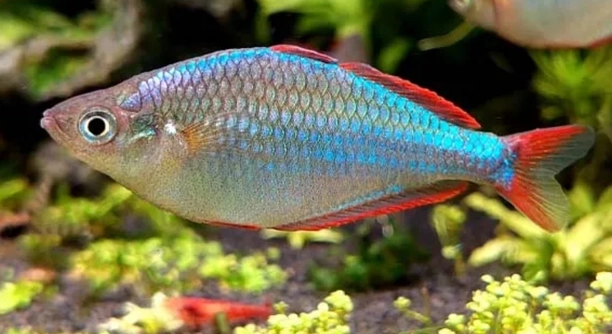
Rainbow fish are popular in aquariums because of their colorful, vibrant appearance. However, as with any pet, it’s important to keep an eye on their living conditions to ensure they are thriving. Overcrowding in a tank can quickly lead to problems.
Overcrowding your rainbow fish tank can lead to stress, aggression, and poor water quality. It can also result in insufficient swimming space and hinder proper growth, making it essential to monitor the number of fish and the tank’s size.
Understanding the signs of overcrowding early can help you maintain a healthy and happy environment for your fish. These signs are easy to spot and can be addressed before causing harm to the tank’s ecosystem.
Overcrowded Tanks Lead to Stress
One of the biggest signs your rainbow fish tank is overcrowded is the visible stress your fish start showing. When too many fish are squeezed into a tank, there’s simply not enough space for everyone to swim comfortably. This can cause a variety of issues, such as fish becoming more aggressive towards each other, especially if they feel their territory is being invaded. Fish may start to hide more often, lose their appetite, or even show signs of illness. The lack of space creates a tense environment where your fish can’t thrive.
Fish become stressed when there is not enough space for swimming. Overcrowding leads to aggression, hiding, and poor eating habits. Stress weakens the immune system, leaving your fish vulnerable to diseases and infections.
When your rainbow fish are stressed, it impacts their overall health. They become more prone to diseases and their immune system struggles to function properly. You might also notice their colors fading, which is a sign of physical and mental strain. Overcrowding can trigger a vicious cycle, as the fish become more stressed, leading to weaker immune systems and increased susceptibility to illness. This is why it’s important to act quickly and give your fish the room they need to thrive.
Poor Water Quality
Water quality can rapidly decline in an overcrowded tank. When too many fish share the same space, waste builds up faster than the filtration system can handle. High ammonia and nitrite levels can become dangerous, making it harder for your rainbow fish to breathe and leading to a decline in their health. As overcrowding increases, the water’s oxygen level decreases, leaving your fish gasping for air.
The higher the fish population in your tank, the faster the water quality deteriorates. Without proper filtration, waste and uneaten food accumulate, leading to higher levels of harmful chemicals.
In an overcrowded tank, the filter can’t keep up with the increased bio-load, meaning harmful chemicals like ammonia, nitrites, and nitrates build up faster than they can be removed. Poor water quality affects the oxygen levels in the tank, which causes fish to struggle to breathe. This leads to less active, unhealthy fish. You may also start noticing that the water looks cloudy or smells unpleasant. Maintaining water quality in a crowded tank is nearly impossible without frequent water changes, and even then, it’s hard to keep up with the rising levels of waste and toxins.
Aggressive Behavior and Fighting
When your tank is overcrowded, aggression becomes more common among the fish. With limited space, rainbow fish may start to become territorial. They’ll often fight over food, hiding spots, or even just the space to swim. These aggressive behaviors can lead to injuries and even death in some cases.
Fish that are constantly stressed and feel threatened tend to become more aggressive. When overcrowding occurs, fish may not only fight among themselves but also show aggressive behavior towards weaker or smaller fish. This can cause injuries like torn fins or scales. The constant fighting impacts the overall atmosphere in the tank, leading to a more hostile environment for all of your fish. This aggression often increases as the fish grow and require more space, which overcrowding makes impossible to provide.
Fish are social creatures, but they need enough space to feel safe. Overcrowding removes this sense of security, causing them to act out. Keeping too many fish in a small space isn’t just unpleasant for them—it affects the entire tank’s ecosystem. Aggressive behaviors are often signs of stress, and if left unaddressed, this could lead to further health problems.
Limited Growth
Rainbow fish need space to grow, both physically and mentally. Overcrowding stunts their growth and can prevent them from reaching their full potential. In a cramped tank, fish don’t have enough room to grow properly. They might remain smaller than usual and may show slower growth patterns.
Without enough space, rainbow fish struggle to develop to their full size. It’s not just about physical size; overcrowding limits their ability to move freely and exhibit natural behaviors. This physical constraint also prevents them from properly feeding, which further affects their health and growth. Fish in an overcrowded tank often become stressed, which results in slower development.
This lack of space not only affects their growth but can also lead to a variety of health issues, like deformities or weakened immune systems. It’s crucial to remember that the size of your tank directly influences how well your fish can grow and thrive. If you notice stunted growth in your rainbow fish, overcrowding might be the cause.
Decreased Oxygen Levels
As the number of fish increases, the oxygen levels in the tank can decrease. Overcrowding causes more fish to compete for the same limited oxygen. This is especially noticeable in smaller tanks, where the surface area for oxygen exchange is limited. Without enough oxygen, your fish will struggle to breathe properly.
When there are too many fish in a tank, they use up the available oxygen faster than it can be replenished. This can cause your fish to gasp at the surface or appear lethargic. Low oxygen levels can also lead to further stress, making it harder for your fish to recover from illnesses or other tank problems. If you see these signs, overcrowding could be to blame.
Poor Swimming Conditions
Rainbow fish love to swim freely. However, overcrowding restricts their ability to move around the tank comfortably. With too many fish competing for space, they often bump into each other or become trapped in corners. This can lead to physical injuries or behavioral issues.
Fish that can’t swim freely often become stressed, and their health suffers. Overcrowding reduces the overall quality of the water as well, further exacerbating swimming problems. Fish that are unable to swim properly are more likely to experience joint issues, weakened muscles, and even deformities. Proper swimming space is vital to your fish’s well-being.
Inability to Maintain Balance
When there are too many fish in a tank, it’s hard to maintain balance. The filtration system struggles to keep up with waste, which leads to poor water quality. As more waste accumulates, the tank’s ecosystem becomes unstable. This creates an environment where fish are more likely to get sick.
FAQ
What is the ideal number of rainbow fish for a tank?
The ideal number of rainbow fish depends on the size of your tank. Generally, a good rule of thumb is one inch of fish per gallon of water. For example, if your tank is 20 gallons, you can safely house up to 20 inches of rainbow fish. However, it’s also important to consider the fish’s behavior and size as they grow. Rainbow fish can grow quite large, with some species reaching up to 6 inches. Overcrowding should be avoided, as it can negatively impact the health of your fish.
How can I tell if my rainbow fish tank is overcrowded?
There are a few signs to watch for that indicate overcrowding. If your fish are constantly fighting, hiding more often, or if the water quality is poor despite regular maintenance, it’s a good indication that the tank is too crowded. Fish might also display signs of stress, such as faded colors, lack of appetite, or gasping for air at the surface. Aggression and territorial behavior are also red flags. Additionally, if your filtration system struggles to keep up with waste, this could be a sign the tank is overstocked.
Can overcrowding cause my fish to become sick?
Yes, overcrowding can make your fish more vulnerable to diseases. When fish are stressed due to lack of space, their immune systems weaken, making them more susceptible to infections and illnesses. Poor water quality, often caused by overcrowding, also contributes to the spread of harmful bacteria and parasites. Without enough room to swim and maintain their natural behaviors, your fish will likely become more stressed, making them more prone to sickness.
How often should I clean a tank that’s overcrowded?
If your tank is overcrowded, you will need to clean it more frequently. Typically, tanks with a healthy fish-to-water ratio can be cleaned every two weeks, but an overcrowded tank might require cleaning every week or more. You’ll need to perform regular water changes, vacuum the substrate, and check the filter to ensure it’s functioning properly. Keeping the tank clean helps prevent the buildup of waste and harmful chemicals like ammonia, which can increase due to overcrowding.
Can overcrowding stunt the growth of rainbow fish?
Yes, overcrowding can stunt the growth of your rainbow fish. Without enough space to swim, your fish may not grow to their full potential. Fish need room to move freely to exercise their muscles and stay healthy. When they are cramped, they may not grow as large as they would in a properly sized tank. Additionally, limited space can reduce their ability to find food, which can further hinder their growth. If you notice that your fish are smaller than usual, overcrowding could be the cause.
Is it possible to prevent overcrowding without removing fish?
Yes, you can reduce overcrowding without removing fish by upgrading to a larger tank or by rehoming some of the fish. Adding more hiding spots and plants can also help create more territories within the tank, which can reduce stress and aggression. If you have a breeding population of rainbow fish, consider giving some of the offspring away to keep the fish population manageable. It’s important to balance the number of fish with the available space to ensure a healthy, happy environment.
What are the consequences of overcrowding on water quality?
Overcrowding can drastically affect water quality. With more fish in the tank, waste production increases, and the filter may not be able to process it fast enough. This leads to an accumulation of harmful chemicals such as ammonia, nitrites, and nitrates. Poor water quality can lead to cloudy water, bad odors, and, most importantly, poor health for your fish. The lack of oxygen in an overcrowded tank further worsens the situation, making it difficult for your fish to breathe properly. Regular water changes and additional filtration may be required to maintain an overcrowded tank, but the best solution is to reduce the fish population.
What should I do if my fish are fighting because of overcrowding?
If your fish are fighting due to overcrowding, consider adding more hiding spots, plants, or decorations to help create territories. This can give each fish a place to call their own and reduce the chances of fighting. However, the most effective solution is to reduce the number of fish in the tank. You can either upgrade to a larger tank or rehome some of the fish to ensure that each one has enough space. If fighting continues despite these efforts, it may be a sign that your tank is simply too small for the number of fish it holds.
How can I improve the water oxygen levels in an overcrowded tank?
To improve the oxygen levels in an overcrowded tank, consider adding an air pump or increasing water movement with a stronger filter or a powerhead. This will help the oxygen exchange at the surface, where fish breathe. Adding live plants to the tank can also help oxygenate the water, as they release oxygen during the day. Increasing surface agitation can also help by allowing more oxygen to dissolve into the water. However, the most effective solution is to reduce the number of fish in the tank to prevent depletion of oxygen.
How do I know if my tank is the right size for my rainbow fish?
The right tank size for rainbow fish depends on the species and the number of fish. Generally, a 20-gallon tank can house about 4 to 5 rainbow fish, but this can vary. Rainbow fish need space to swim, and their size will increase as they grow. As a rule, a tank should provide at least 2 gallons of water for every inch of fish. A tank that is too small will not provide enough space, and overcrowding will quickly become an issue. It’s important to research the specific needs of the rainbow fish species you own to determine the proper tank size.
Final Thoughts
Overcrowding in your rainbow fish tank can lead to a variety of problems that affect both the health of your fish and the overall quality of your tank environment. As we’ve seen, overcrowding can cause stress, aggression, and poor water quality, which ultimately impacts the well-being of your fish. Stress is one of the most noticeable signs, and it can lead to weakened immune systems, making your fish more prone to diseases. In addition, aggression between fish can lead to injuries, especially if they fight for space or resources. This behavior not only harms the fish involved but can create an overall hostile environment in the tank.
Maintaining a balanced fish-to-water ratio is key to a healthy aquarium. It’s essential to choose the right size tank for your rainbow fish and ensure there’s enough room for them to swim freely. This means monitoring the growth of your fish and adjusting the tank size or population as needed. Overcrowding can also impact the water quality, as the waste from too many fish can quickly accumulate, stressing the filtration system. Regular water changes and ensuring your filter is adequate for the tank size can help manage waste, but it’s important to recognize that the best solution is reducing the number of fish in an overcrowded tank. Proper space allows your fish to thrive and reach their full potential.
If you notice any signs of overcrowding in your tank, such as decreased growth, poor water quality, or aggressive behavior, it’s crucial to take action sooner rather than later. Rehoming fish or upgrading to a larger tank can help reduce the stress on your fish and improve the overall tank conditions. Taking steps to prevent overcrowding ensures that your rainbow fish live in a comfortable, healthy environment where they can grow and display their vibrant colors. By keeping the tank size in check and monitoring the fish population, you’re creating a better quality of life for both the fish and yourself.

Hello,
If you enjoy the content that we create, please consider saying a "Thank You!" by leaving a tip.
Every little bit helps us continue crafting quality advice that supports the health, happiness, and well-being of pets around the world, for pets of all shapes, sizes, and species.
We really appreciate the kindness and support that you show us!