
Rainbow fish are colorful and fascinating creatures, often admired in aquariums. As owners, we may wonder if they notice changes in their environment, such as the lighting around them. This article explores how room light affects them.
Rainbow fish are sensitive to light changes. While their primary behaviors are influenced by light intensity and natural cycles, they do not respond to artificial room light changes in the same way they would to environmental shifts in the wild.
Understanding their behavior under different lighting conditions can help ensure their well-being and promote a healthy aquarium environment.
How Room Light Affects Rainbow Fish
The lighting in a room can have a noticeable effect on rainbow fish. They are known to be sensitive to light, as it impacts their natural rhythms and behavior. When there’s a shift in light levels, such as the lights turning on or off, they might show slight changes in activity. Unlike humans or other animals, they don’t recognize the specific source of light change, but they can sense changes in brightness. It’s important to provide stable lighting for them, as abrupt light changes can cause stress, which can affect their health and overall behavior.
Consistent lighting can help rainbow fish feel secure in their environment. They thrive in tanks where light levels mirror natural conditions, providing a sense of day and night.
When creating an aquarium environment, replicating natural light cycles is key. Rainbow fish are often found in areas where daylight gradually fades into night. If you can match these patterns by adjusting artificial lights accordingly, your fish may experience less stress and feel more at ease. The way light interacts with their habitat also affects their feeding habits, as they rely on consistent lighting cues to stay in sync with their natural instincts.
Effects of Artificial Lighting
Artificial lights in aquariums can impact rainbow fish. These lights can sometimes confuse their internal clocks.
Over time, rainbow fish become accustomed to certain light cycles, making changes or inconsistencies potentially unsettling. They may show signs of stress or reduce their activity levels when light patterns are disrupted. It’s important to use timers and maintain a predictable light schedule, ensuring they receive both light and dark periods. Regular changes to the lighting environment can make them feel unsettled, possibly affecting their appetite, energy levels, and even their color vibrancy. If you’re trying to create an ideal environment for your rainbow fish, stick to a routine to avoid confusion and discomfort.
The Importance of Natural Light Cycles
Rainbow fish are accustomed to natural light cycles, where day and night gradually change. In an aquarium, replicating this cycle can improve their well-being. Artificial lighting should mimic the rising and setting of the sun for their health.
By using timers to simulate these natural patterns, rainbow fish can experience a more comfortable environment. They will recognize the transition between light and dark periods, which can help reduce stress. Regular exposure to a natural light cycle can also encourage normal activity, including feeding, swimming, and resting. This balance helps support their overall health.
Inconsistent lighting may cause rainbow fish to feel disoriented, as they rely on these cycles to regulate their internal clocks. When their environment doesn’t align with their biological needs, they may experience disruptions in their behavior and health. For example, improper light-dark cycles can affect their feeding patterns, energy levels, and reproductive cycles. Maintaining natural light rhythms in their environment ensures they feel secure and more active.
The Role of Aquarium Lights in Rainbow Fish Behavior
Aquarium lighting plays a major role in the daily behavior of rainbow fish. They respond to different light intensities, which can impact how they interact with their surroundings.
Bright lighting can stimulate activity and make them more visible. However, too much light can stress them out, causing them to hide or reduce their swimming activity. On the other hand, dim or low lighting can make them feel more relaxed, allowing them to move freely in the tank. Finding a balance in the intensity of light can be crucial for their comfort.
By adjusting the brightness and duration of the aquarium lights, you can control the behavior of rainbow fish. For instance, turning down the lights during the night or using softer lighting during feeding times may make them more comfortable and help regulate their natural rhythms. Understanding the importance of lighting intensity can make a big difference in your fish’s behavior and overall happiness.
How to Use Aquarium Lighting Effectively
Setting the right lighting can have a big impact on rainbow fish. Use a timer to maintain a consistent light schedule. Aim for 10 to 12 hours of light each day. This will mimic natural light cycles and help keep your fish active and healthy.
Adjust the lighting based on your fish’s needs. If they seem stressed or inactive, consider dimming the lights or using softer bulbs. Too much bright light for long periods can make them anxious, while too little may affect their feeding habits. Finding a balanced approach is key.
Light and Rainbow Fish Colors
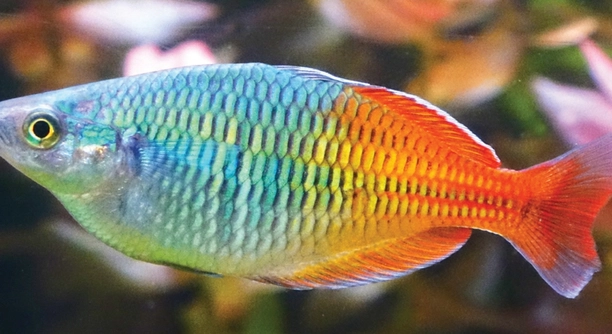
The lighting in the aquarium can enhance or dull the colors of your rainbow fish. Bright light can bring out their vivid hues, making them look more vibrant and healthy.
However, if the light is too intense, it may cause them to retreat into darker corners of the tank. Too little light can make their colors appear dull or faded. Proper lighting not only keeps them comfortable but also helps showcase their natural beauty. Adjusting the lighting to match the tank’s needs can enhance both their well-being and appearance.
FAQ
Do rainbow fish need a light source?
Yes, rainbow fish need light to help regulate their natural behavior and biological rhythms. However, they don’t need constant light. A regular light cycle, mimicking natural day and night, helps them maintain a sense of time, supporting healthy activity, feeding, and rest.
How do rainbow fish react to light changes?
Rainbow fish can notice changes in lighting, though they don’t understand the source of these changes. Sudden shifts in light intensity may make them anxious or unsettled. It’s important to avoid frequent changes in light to keep them feeling secure in their environment.
Can rainbow fish get stressed from lighting?
Yes, rainbow fish can become stressed if exposed to too much bright light or if the lighting changes frequently. Bright, intense lights for long periods may cause them to hide, reducing their normal activity levels. They prefer a consistent light schedule that mimics natural conditions, including periods of darkness.
Is it okay to use artificial lighting for rainbow fish?
Artificial lighting is perfectly fine for rainbow fish, as long as it’s used in a way that mimics the natural light cycle. Using timers and adjusting the intensity to reflect day and night helps create a comfortable environment for them. Just make sure there’s a balance, as too much or too little light can cause stress.
How many hours of light do rainbow fish need each day?
Rainbow fish typically need around 10 to 12 hours of light each day. It’s important to provide both light and dark periods to help them maintain their natural rhythms. Using a timer for your aquarium lights can help ensure a consistent day-night cycle, promoting healthy behavior and reducing stress.
Do rainbow fish prefer bright or dim lighting?
Rainbow fish generally prefer moderate lighting. Too bright of a light can stress them out, while dim lighting may make them feel insecure or reluctant to move around. A balance of moderate lighting during the day, with a gentle dimming period at night, creates a more comfortable atmosphere for them.
How does lighting affect rainbow fish behavior?
Lighting plays a major role in rainbow fish behavior. They use light to regulate their activity patterns, including when they eat, sleep, and interact with other fish. Bright light can encourage more movement, while dim lighting can make them feel more relaxed. Lighting also helps them establish a sense of security and time.
Can rainbow fish live in a tank without natural light?
Yes, rainbow fish can live in a tank without natural light as long as you provide proper artificial lighting. However, it’s important to replicate natural light cycles as much as possible. Using a timer to ensure 10 to 12 hours of light each day, along with periods of darkness, will help them thrive.
Should I use a filter light for my rainbow fish tank?
A filter light, also known as a low-intensity light, can be used for rainbow fish. These lights provide a gentler light source, which may help reduce stress. It’s especially useful during nighttime or when transitioning from bright daylight to dark. However, make sure there are still periods of darkness for a natural rhythm.
Can rainbow fish sleep with the lights on?
Rainbow fish typically sleep during the night, in periods of darkness. If the lights are left on during their resting hours, it may disturb their sleep patterns. It’s best to switch off the aquarium lights at night to allow them to rest properly. Using a timer to control light periods is ideal for their sleep routine.
Do rainbow fish need special lighting?
Rainbow fish do not require special lighting, but the light needs to be appropriate for their needs. Standard aquarium lights, such as LED lights, work fine as long as they provide a balanced light cycle. It’s important to maintain a consistent light schedule to keep your fish healthy and stress-free.
Final Thoughts
Rainbow fish are beautiful creatures that thrive in stable and predictable environments. One of the most important factors in their well-being is lighting. These fish are sensitive to light changes, so providing consistent lighting is key to keeping them happy and healthy. By mimicking the natural light cycle, you can help your rainbow fish feel more secure, which in turn can reduce stress and promote better behavior. Using a timer to control the lighting schedule is an easy way to ensure they get the right amount of light and dark each day.
Lighting intensity also plays a significant role in how rainbow fish behave. They do best with moderate lighting that isn’t too harsh. Bright lights for long periods may cause them to retreat or become less active, while too little light may lead to dull colors and make them feel insecure. By finding a balance and adjusting the lighting to suit their needs, you can create a more comfortable environment for your fish. It’s important to observe their behavior and adjust the light settings if necessary to keep them feeling at ease.
Taking these simple steps to manage the lighting in your aquarium can help your rainbow fish thrive. Consistent light, along with a natural day-night cycle, supports their overall health and keeps them active and vibrant. Whether you’re new to fish-keeping or have experience with aquarium care, paying attention to the light conditions in your tank can make a noticeable difference in the well-being of your rainbow fish.

Hello,
If you enjoy the content that we create, please consider saying a "Thank You!" by leaving a tip.
Every little bit helps us continue crafting quality advice that supports the health, happiness, and well-being of pets around the world, for pets of all shapes, sizes, and species.
We really appreciate the kindness and support that you show us!