
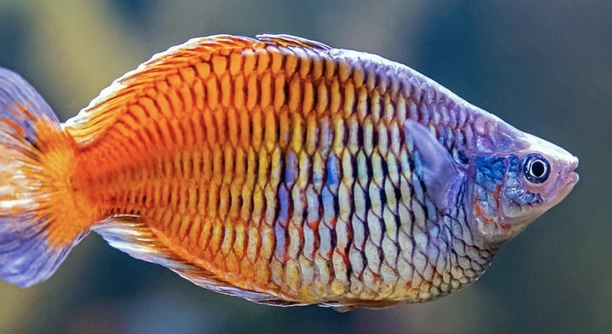
Rainbow fish are known for their bright colors and graceful movements in the water. But have you ever noticed them drifting sideways for a brief moment? Understanding why this happens can help you care for them better.
Rainbow fish occasionally drift sideways due to changes in their swimming behavior. This can be caused by temporary disorientation, water currents, or even slight environmental changes. While this movement is typically short-lived, it may also reflect their response to stress.
If you’ve ever seen your rainbow fish drift sideways, it’s important to understand the reasons behind it. From environmental shifts to simple behavioral patterns, there’s much more going on beneath the surface.
The Basics of Rainbow Fish Movement
Rainbow fish are active swimmers with vibrant, flowing bodies. When they move, they typically glide gracefully through the water, but sometimes they drift sideways. This brief sideways movement may seem odd, but it is part of their natural swimming behavior. Often, it happens when they are adjusting to environmental changes or reacting to temporary disruptions in their habitat. Rainbow fish are sensitive to changes in their surroundings, including shifts in water flow or temperature. This sensitivity can cause them to move sideways as they reposition themselves.
Sometimes, the sideways drift happens when fish are exploring their environment or interacting with each other. It can also be linked to their feeding behavior. When they are hunting for food or swimming in shoals, they might momentarily shift direction in ways that appear sideways. This is a normal part of their movement patterns and should not be a cause for concern.
The sideways drift can also indicate that the fish are in the process of adjusting to something new, like a different water current or an unfamiliar object in their tank. If this behavior is brief and occurs occasionally, there’s usually no need to worry.
Possible Environmental Influences
Environmental factors like water currents can influence how rainbow fish move. Fish tanks are not always perfectly still, and water movement plays a big role in how fish swim. Strong currents can push them sideways for short periods.
In a fish tank, water flow is often created by filters, aerators, or even natural movement. Rainbow fish, being active swimmers, may find themselves briefly swept in different directions, leading to sideways movement. This is more common in tanks with a lot of water movement. However, rainbow fish are agile and can quickly adjust to these conditions.
In some cases, the sideways drift may be a sign that the fish are exploring or investigating their surroundings. It is natural for them to change direction, especially when they are navigating new spaces or interacting with other fish. Monitoring their behavior can help you understand if the movement is linked to something more significant.
Stress and Sideways Drift
Stress is another factor that can lead rainbow fish to drift sideways briefly. It can be triggered by factors such as overcrowding, sudden temperature changes, or aggressive tank mates. When stressed, fish may not swim in their usual manner. Instead, they might drift or swim erratically, which can sometimes appear as a sideways movement.
Stress can impact a fish’s balance and coordination. For rainbow fish, this might cause them to make slight adjustments in their swimming patterns, including drifting sideways for a short time. If you notice this behavior, it may be a sign that the fish are uncomfortable in their environment. Reducing stressors in the tank can help them regain normal movement patterns.
Some common stress triggers in tanks include sudden water changes or changes in water chemistry. This may cause rainbow fish to feel unsettled, resulting in brief, sideways movement. Pay attention to the water conditions and other environmental factors that could be causing this stress. Once the stress is minimized, you should see the behavior subside.
Social Behavior and Movement
Rainbow fish are social creatures and often interact with one another. Their movements may change depending on the presence of other fish. When swimming in groups, rainbow fish tend to make coordinated moves, but sometimes this can cause slight shifts in direction, resulting in a sideways drift.
When rainbow fish swim in schools, they may move in unison but sometimes shift slightly in different directions. This can look like a sideways drift, even though it’s just the result of group movement. It’s a natural part of their social behavior and helps them navigate their environment together. In these moments, rainbow fish may appear to lose focus on swimming straight, but it’s simply a natural response to the group dynamics.
In certain situations, social stress or competition for food can also lead to erratic movements. If there are more fish in the tank than the space allows, the rainbow fish may start to move sideways as they try to avoid each other. This is common when the fish are stressed by overcrowding, and they need a bit of extra room to swim comfortably. Adjusting the tank size or number of fish can help improve their movement.
Water Temperature and Movement
Water temperature affects the movement of rainbow fish. When the temperature is too high or low, their behavior can become erratic. This could lead to sideways movement as they try to adjust to the temperature change in their environment.
If the water is too cold, rainbow fish may become sluggish or uncoordinated, which can cause them to drift sideways briefly. In warmer water, they may become more active, but sudden temperature changes can cause confusion, leading to erratic swimming. Maintaining a stable, ideal temperature range is important to ensure your rainbow fish move naturally.
Tank Size and Swimming Space
The size of the tank plays a crucial role in how freely rainbow fish can swim. A cramped environment can limit their movement, causing them to shift sideways as they try to navigate through the space.
Rainbow fish are active swimmers, and if they don’t have enough room, they may struggle to maintain their normal swimming pattern. Overcrowding or a small tank can force them into tight spaces, leading to sideways drift. Offering a larger tank with more swimming space encourages natural behavior and reduces movement issues.
Health Concerns
Health issues can also cause rainbow fish to swim differently. Illness or injury may make it difficult for them to swim in a straight line, causing them to drift sideways for a brief moment.
If a fish is dealing with internal parasites, infections, or external injuries, their swimming ability may be compromised. It’s essential to watch for other signs of illness, such as lack of appetite, discoloration, or erratic movements. Ensuring that your fish remain healthy will help minimize these issues. Regular check-ups and water quality maintenance are key.
FAQ
Why do rainbow fish swim sideways for long periods?
Rainbow fish might swim sideways for longer periods when they are stressed, sick, or dealing with environmental changes. If there are sudden shifts in water conditions, such as temperature changes, or if there is overcrowding, the fish may struggle to swim normally. When stressed, they may lose their coordination, leading to prolonged sideways swimming. If you notice this behavior lasting for more than a short moment, it’s important to check the water conditions and ensure the fish are healthy.
Can water quality affect the sideways swimming of rainbow fish?
Yes, poor water quality can have a significant impact on the movement of rainbow fish. If the tank has high levels of ammonia, nitrites, or nitrates, or if the pH is off-balance, the fish may exhibit unusual behavior, including swimming sideways. It’s crucial to regularly check the water quality and perform necessary water changes to keep it within the ideal range. Poor water quality can stress fish and make them swim in abnormal patterns, so maintaining a clean, balanced environment is essential.
Is it normal for rainbow fish to drift sideways when they are chasing food?
Rainbow fish are active feeders, and they often swim in erratic patterns when searching for food. In some cases, their movements may appear sideways as they navigate through the tank in pursuit of prey. This behavior is typically short-lived and not a cause for concern. However, if the sideways movement becomes prolonged, it could be due to stress, overcrowding, or health issues. Feeding them on a regular schedule with appropriate portions may help minimize erratic movements.
Can sideways swimming indicate an injury or illness in rainbow fish?
Sideways swimming can sometimes be a sign of injury or illness, especially if the fish is struggling to maintain balance. If you observe a fish swimming sideways and displaying other signs of distress, such as faded colors, loss of appetite, or abnormal behavior, it’s important to take action. Injuries, infections, or parasites can affect a fish’s ability to swim properly. In such cases, isolating the fish in a quarantine tank and consulting a vet or fish expert is recommended.
How does tank size affect rainbow fish swimming?
Tank size is directly linked to the swimming habits of rainbow fish. These fish are active swimmers, and if the tank is too small or overcrowded, it can limit their movement. In cramped spaces, rainbow fish may struggle to swim freely, and you might notice them drifting sideways as they try to navigate. Ensuring that the tank is appropriately sized for the number of fish you have allows them more space to swim naturally. A larger tank reduces the risk of stress and encourages healthier, more natural behavior.
Can rainbow fish swim sideways due to water flow in the tank?
Yes, strong or inconsistent water flow can lead rainbow fish to swim sideways for brief moments. Fish tanks with powerful filters or aerators may cause currents that make it harder for the fish to swim normally. If the current is too strong, the fish may be pushed sideways or struggle to swim in a straight line. It’s important to monitor the water flow in your tank and adjust it so it’s comfortable for your rainbow fish. Placing decorations or plants can help diffuse the current and create calmer swimming zones.
Is sideways swimming a sign of rainbow fish mating?
Sideways swimming is not typically associated with mating in rainbow fish. During mating, rainbow fish may exhibit more specific behaviors, such as chasing or displaying vibrant colors, but they generally swim forward in their usual pattern. If your fish are swimming sideways during this time, it could be due to stress, environmental factors, or other distractions. It’s essential to monitor their behavior closely and ensure their environment supports healthy breeding conditions.
Can I prevent rainbow fish from swimming sideways?
Preventing rainbow fish from swimming sideways involves creating a stable, comfortable environment. Ensuring that the water temperature, quality, and flow are all ideal for the species is key. Providing enough space for the fish to swim freely and avoiding overcrowding can help prevent stress-related sideways swimming. Additionally, maintaining a healthy tank with regular water changes and monitoring the fish for signs of illness can further reduce the chances of this behavior occurring.
What should I do if my rainbow fish is swimming sideways all the time?
If your rainbow fish is swimming sideways consistently, it’s important to first check the water conditions. Ensure that the temperature, pH, and water quality are in the ideal range. If the water checks out, look for other signs of stress or illness, such as loss of appetite, discoloration, or abnormal swimming patterns. If needed, isolate the fish in a separate quarantine tank and consult a professional to rule out illness. Taking these steps will help you identify the cause and prevent further issues.
Do rainbow fish swim sideways when they are in danger?
Rainbow fish may swim sideways when they are startled or feel threatened. Sudden movements, loud noises, or the presence of a predator can cause them to behave erratically. In the wild, fish often use sudden movements to evade threats. In an aquarium setting, rainbow fish may swim sideways if they feel stressed or unsafe. It’s important to ensure that tankmates are compatible and that the environment is calm and secure.
Final Thoughts
Rainbow fish are generally active and healthy swimmers, known for their vibrant colors and graceful movements. If you’ve noticed your rainbow fish drifting sideways, it’s important to remember that this behavior is often temporary and not always a cause for concern. Various factors, such as water quality, temperature changes, and stress, can cause brief periods of erratic swimming. In many cases, these movements are normal and part of the fish’s natural response to slight disruptions in their environment. However, if the sideways swimming continues or becomes more frequent, it could be a sign of underlying issues like poor water quality or health problems.
Maintaining a stable environment for your rainbow fish is key to ensuring their well-being. Consistent water temperature, balanced water chemistry, and appropriate tank size can help reduce stress and encourage normal swimming behavior. Overcrowding, aggressive tank mates, or an unstable environment can lead to sideways swimming as the fish attempt to adjust or escape discomfort. Keeping the tank clean and monitoring the fish regularly will help you catch any potential problems early. If the sideways movement becomes more persistent or the fish show other signs of illness, it’s worth investigating further.
In most cases, occasional sideways swimming is nothing to worry about, but staying proactive with tank maintenance and fish health monitoring is always a good idea. By keeping your rainbow fish in a healthy, well-maintained tank with proper care, you can reduce the chances of this behavior becoming an ongoing issue. If problems persist, it’s always best to consult with a vet or fish expert who can provide guidance on how to improve the situation.

Hello,
If you enjoy the content that we create, please consider saying a "Thank You!" by leaving a tip.
Every little bit helps us continue crafting quality advice that supports the health, happiness, and well-being of pets around the world, for pets of all shapes, sizes, and species.
We really appreciate the kindness and support that you show us!