
Rainbow fish are colorful and lively creatures, often fascinating to observe in aquariums. Understanding their behavior can be a rewarding experience, especially when it comes to identifying signs that they are starting to mate.
Rainbow fish exhibit several noticeable behaviors when they are preparing to mate. These include changes in color, more frequent chasing, and the males becoming more territorial. Monitoring these signs can help confirm when your fish are ready to breed.
These clues will help you recognize when your rainbow fish are gearing up for mating. Keep reading to learn how to identify these behaviors and what steps you can take to support their breeding process.
Changes in Coloration
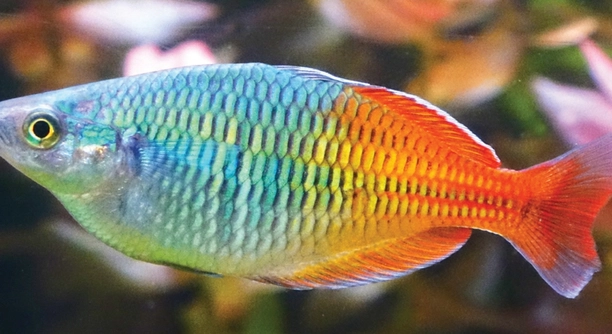
As rainbow fish approach mating, you’ll notice their colors becoming more vibrant. This is particularly evident in males, who will display brighter and more intense hues, showcasing their best appearance to attract females. The color shift happens gradually but becomes more noticeable as they near their breeding period. The deeper, more vivid colors are meant to catch the attention of potential mates. These bright colors are a key indicator that your fish are entering the mating phase, signaling a change in their behavior and physical appearance.
Males tend to emphasize their colorful markings when trying to impress females. Females also may show slight changes in color, but these are often subtler compared to males. It’s helpful to keep an eye out for this shift in coloration to help determine when mating may begin.
The intensity of the colors can vary based on the specific species of rainbow fish, but in general, their vibrancy peaks during the mating season. The males especially will take on rich shades of blue, red, and orange to attract females. This change in coloration is often accompanied by more energetic movement and behaviors as they prepare for mating. If you’re observing this transformation, it’s likely that your fish are ready to breed.
Increased Swimming Activity
Another sign that rainbow fish are preparing to mate is a noticeable increase in swimming activity. When breeding, males become more active, often swimming erratically around the females, performing dance-like movements. This behavior helps stimulate the females and encourages them to join the mating process.
Male rainbow fish may chase after females and swim in tight circles, trying to get their attention. This behavior is a clear indicator that they are ready to mate. If you see this behavior in your tank, it’s a sign that things are about to get active, and your fish may soon start the mating process. The increased movement can be accompanied by occasional splashing, especially if the fish are trying to nudge the female into a particular area.
Increased Territorial Behavior
During mating season, male rainbow fish often become more territorial. They may establish a specific area in the tank, which they aggressively defend from other males. This behavior is meant to attract females and ensure that they have a safe space to breed. The male will try to keep other fish away from his designated area.
The territorial behavior can be seen in both larger and smaller tanks. Males will chase away any intruders, including other males, to maintain control over their space. This is an important sign to look for as it shows that the male is preparing to claim a breeding territory. If you observe such behavior, it’s likely that the fish are entering their mating period.
While this territoriality can be intense, it’s typically not harmful. However, it may cause some aggression between males. You may want to consider providing hiding spots or rearranging the tank if the behavior becomes too disruptive. This helps reduce stress on the fish and creates a more comfortable environment for the breeding process.
Increased Interest in the Females
As the male rainbow fish become more territorial, they also show increased interest in the females. This manifests in more attention and display behaviors, where the males swim closely to the females and show off their brighter colors. It’s a clear signal that they are trying to attract a mate.
During this phase, the males may gently nudge or circle around the females, attempting to get them to respond. The males are often persistent in their pursuit and may continue their courtship until the female shows signs of receptiveness. You may notice the female becoming more responsive, swimming alongside the male as he continues his display.
The female’s behavior can change slightly during this time. While she may still swim freely around the tank, she might move closer to the males or appear more focused on the males’ movements. This shift indicates that the mating process is about to start, and the male is actively courting her.
Nesting Behavior
Rainbow fish may begin to show signs of nesting behavior as they get ready to mate. The males often select a spot, like a plant or flat surface, where they’ll try to guide the female. This spot is where the eggs will be laid and fertilized.
The male will often nudge or nuzzle the female towards the chosen area. He may continue to display and swim around the area, trying to coax her to settle there. The female usually starts to show interest in this designated spot, responding to the male’s persistent attempts. This is a key sign that breeding is near.
Once the female is led to the nesting area, she will typically lay her eggs. The male follows closely behind, fertilizing them as soon as they are deposited. This process is often fast but indicates that mating has begun.
Spawning Behavior
Spawning occurs when the female rainbow fish lays her eggs, and the male fertilizes them immediately. This can happen multiple times during the breeding season. The process is quick but often repeated several times as the female lays clusters of eggs.
The spawning behavior is easily identifiable, as the fish engage in vigorous, synchronized movements. The female releases her eggs in small batches, while the male fertilizes them on the spot. This behavior is the culmination of the courtship and territorial actions seen earlier. The whole process may seem chaotic, but it ensures successful reproduction.
After spawning, the eggs will settle on the bottom or cling to plants, depending on the environment. The parents may leave them to develop on their own, but it’s important to ensure the tank conditions remain stable for the eggs to hatch.
Post-Spawning Behavior
After spawning, the rainbow fish will often become less active and focus on their regular routines. The male may relax his territorial behavior as the mating process is complete. During this time, the female may also retreat to a quieter area of the tank to recover.
At this stage, the eggs are left to develop on their own. It’s crucial to maintain the water quality and temperature for proper egg development. The fish will typically not show much interest in the eggs after spawning, allowing nature to take its course.
FAQ
What is the best temperature for rainbow fish to mate?
Rainbow fish typically prefer warmer water temperatures when mating. The ideal range is between 75°F and 80°F (24°C to 27°C). This temperature promotes healthy breeding conditions and helps stimulate the fish’s reproductive behavior. Lower temperatures can slow down their metabolism and make it harder for them to engage in mating activities. Maintaining stable water conditions is also important for their overall health during this time. Using a reliable aquarium heater and monitoring the temperature regularly ensures the fish remain comfortable and ready to breed.
Do rainbow fish mate in pairs or groups?
Rainbow fish generally prefer to mate in groups rather than pairs. In a well-established tank, males will compete for the attention of females, and females will have the opportunity to choose a mate based on the males’ displays. This natural social structure helps prevent inbreeding and promotes genetic diversity. While it’s possible for some pairs to form temporary bonds, rainbow fish typically breed in a more communal setting, where multiple males court a single female. Providing enough males for the female will help stimulate the breeding process and make it more likely to happen successfully.
How long does it take for rainbow fish eggs to hatch?
Rainbow fish eggs typically take around 7 to 10 days to hatch, depending on the water temperature. Warmer water speeds up the hatching process, while cooler temperatures can delay it. During this period, it’s crucial to maintain stable water conditions, as fluctuations in temperature or water quality can negatively impact egg development. Once the eggs hatch, the fry will begin to swim freely within a few days. It’s important to remove the parents from the tank to prevent them from eating the newly hatched fry.
How do I know if rainbow fish eggs are fertilized?
You can usually tell if rainbow fish eggs are fertilized by their color. Fertilized eggs typically appear a translucent or light amber color, while unfertilized eggs may look cloudy or white. Unfertilized eggs tend to become fuzzy with fungus growth. To ensure the survival of fertilized eggs, it’s important to maintain optimal tank conditions, such as temperature, pH, and water cleanliness. If you notice a significant number of eggs turning white or cloudy, it may be an indication of poor fertilization or suboptimal water conditions.
Can I separate the male and female rainbow fish after spawning?
Yes, after spawning, you can separate the male and female rainbow fish if necessary. Removing the male can help reduce any aggression and ensure that the female gets the rest she needs to recover. However, it’s important to leave the female in the tank for a while so she can rest and regain her strength. If you want to protect the eggs or fry, it’s advisable to remove both parents, as they may eat their offspring. Once the fry are large enough, you can reintroduce the adults back into the tank.
Do rainbow fish need special care during mating?
Rainbow fish do not require special care during the mating process, but it’s essential to ensure they are kept in a stress-free, well-maintained environment. Clean, warm water with the proper pH and hardness is key to successful breeding. Providing plenty of hiding spots, such as plants or breeding mops, helps create a comfortable space for the fish. Avoid overcrowding in the tank, as this can cause stress and hinder their natural behavior. Regular water changes, good filtration, and keeping the tank well-lit will encourage the fish to breed.
What should I do if my rainbow fish are not mating?
If your rainbow fish are not mating, consider reviewing their environment. Ensure that the water temperature is within the ideal range (75°F to 80°F), and check that the tank is clean and properly filtered. Stress can prevent breeding, so try to minimize disturbances in the tank. You may also want to assess the ratio of males to females in your tank. Too many males or too few females can discourage breeding. Providing appropriate breeding spots, such as plants or spawning mops, can help trigger mating behavior. Patience is often needed, as it can take time for the fish to adjust and start mating.
Can rainbow fish breed with other species?
Rainbow fish typically do not crossbreed with other species within the rainbow fish family. While there are many species of rainbow fish, they usually prefer to breed with their own kind. However, if you’re housing multiple species of rainbow fish in the same tank, it’s important to monitor their behavior to ensure compatibility. In some cases, different species may try to mate, but crossbreeding is rare. If you want to maintain pure lines, it’s advisable to keep one species in a tank or separate them based on breeding preferences.
How many fry can rainbow fish produce?
Rainbow fish can lay anywhere from 50 to 100 eggs in a single spawning event, depending on the species and the size of the female. Some species may lay even more eggs. While many eggs may hatch, the survival rate of fry depends on several factors, such as water quality, temperature, and whether the parents have been removed from the tank. It’s common for a small number of fry to survive, especially if the conditions are ideal for growth and development. Raising fry requires careful attention to their needs, including feeding and protecting them from other tank inhabitants.
Can I use a breeding box for rainbow fish?
Yes, using a breeding box can be beneficial for rainbow fish, especially to protect eggs and fry from being eaten by the parents. A breeding box allows you to separate the adult fish from the eggs or fry while still maintaining a suitable environment. However, it’s important to ensure the box has enough space and proper filtration to keep the water clean and oxygenated. You can also use a breeding mop or mesh material in the main tank, which will allow the eggs to be collected safely, reducing the risk of the parents eating them.
Final Thoughts
Rainbow fish are beautiful creatures that display interesting behaviors, especially when they are getting ready to mate. Recognizing the signs that they are preparing to breed can be a rewarding experience for anyone who keeps them in their aquarium. From vibrant color changes to increased territoriality and activity, these behaviors indicate that your rainbow fish are entering the mating phase. By observing these clues, you can better understand their needs and help create an environment that supports healthy breeding.
It’s important to ensure that the tank environment is ideal for breeding. Rainbow fish require specific water conditions, such as a temperature range of 75°F to 80°F, along with clean water and adequate filtration. These conditions encourage natural behaviors, which can lead to successful mating. The addition of plants, breeding mops, or other structures will also help create a suitable space for the fish to lay their eggs. Understanding these requirements makes it easier to support your fish through the breeding process and ensure that the eggs and fry have the best chance of surviving.
After the spawning process, it’s crucial to provide care for the fry. The eggs typically hatch in about a week, and the fry will need special attention. You may need to separate the adults from the tank to prevent them from eating their young. The fry will grow quickly, and maintaining optimal water conditions will help them thrive. With the right environment, patience, and care, you can enjoy watching your rainbow fish reproduce and grow in your aquarium. Recognizing their mating signals and providing the proper care will help ensure that your rainbow fish family continues to grow and flourish.

Hello,
If you enjoy the content that we create, please consider saying a "Thank You!" by leaving a tip.
Every little bit helps us continue crafting quality advice that supports the health, happiness, and well-being of pets around the world, for pets of all shapes, sizes, and species.
We really appreciate the kindness and support that you show us!