
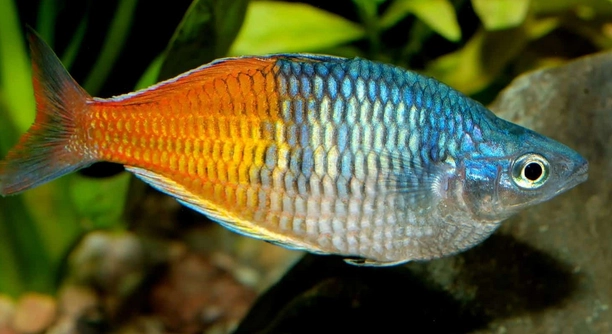
Rainbow fish are beautiful, vibrant creatures, but sometimes they may suddenly stop eating, which can be concerning for any fish owner. It’s essential to understand the potential reasons behind this behavior to help them stay healthy.
Rainbow fish may stop eating due to stress, water quality issues, illness, or changes in their environment. Stressors like new tank mates, sudden temperature shifts, or poor water conditions can all cause these fish to lose their appetite.
Addressing the root cause can make a big difference. Proper water conditions, stress reduction, and identifying possible illness will help get your rainbow fish back on track.
Stress and Anxiety in Rainbow Fish
Rainbow fish, like many animals, can get stressed. Even small changes in their environment can trigger a loss of appetite. Adding new tank mates, rearranging decorations, or even loud noises nearby can be unsettling for them. Stress can lead to health issues, making it harder for them to recover. When a rainbow fish feels anxious, its body may enter a “fight or flight” mode, which is energy-draining and leaves little room for eating.
In some cases, stress can also cause them to hide or swim aimlessly, making it more difficult to notice they aren’t eating.
It’s important to keep their environment calm. Avoid sudden changes in water temperature, lighting, or tank layout. Also, try to limit exposure to loud noises or fast movements around the tank. Providing a stable and peaceful habitat can help reduce stress and encourage better eating habits in your rainbow fish.
Poor Water Quality
Poor water quality is another common factor that could be affecting your rainbow fish’s eating habits. If the water isn’t clean or balanced, your fish might refuse food. Harmful levels of ammonia, nitrites, or nitrates can cause discomfort and health issues, such as fin rot or skin irritation.
The best way to ensure healthy water is by doing regular water changes and using a reliable filtration system. Be sure to test the water regularly for any imbalances that could harm your fish. Keeping a consistent routine can go a long way in ensuring their comfort.
Illness or Disease in Rainbow Fish
When rainbow fish stop eating, it could be a sign that they’re not feeling well. Illness or parasites can lead to a lack of appetite, which is often the first noticeable symptom. Fish may show other signs like abnormal swimming, faded colors, or lethargy.
Common illnesses that affect rainbow fish include fin rot, swim bladder disease, and external parasites. If you notice any of these symptoms, it’s crucial to act quickly. Removing the affected fish from the tank and treating the water with appropriate medication can help.
Additionally, it’s a good idea to isolate any sick fish to prevent the spread of diseases to other tank members. Quarantining new fish before introducing them to your tank can also reduce the chances of introducing harmful parasites or infections.
Feeding Habits and Overfeeding
Sometimes, a rainbow fish will stop eating because of feeding habits. Overfeeding can lead to uneaten food settling at the bottom of the tank, which can cause water quality problems. When the fish aren’t hungry, they may refuse food altogether.
It’s also important to stick to a regular feeding schedule. Fish thrive on routine, and giving them food at the same time each day helps regulate their appetite. Be mindful not to offer too much food at once. You should aim to feed them what they can consume in a few minutes to avoid waste and prevent overfeeding.
Tank Size and Space
If the tank is too small, rainbow fish may feel cramped and stressed, leading them to avoid food. These fish need enough space to swim around and explore. A tank that’s too crowded can make them feel anxious and reduce their appetite.
A spacious environment is essential for the well-being of your fish. The minimum tank size for rainbow fish is usually around 20 gallons, depending on the species. Ensuring proper space and filtration will help reduce stress and make your fish feel more comfortable, encouraging them to eat regularly.
Water Temperature and pH Levels
Rainbow fish are sensitive to temperature and pH levels. Water that’s too warm or cold, or if the pH isn’t balanced, can affect their health and appetite. It’s crucial to keep the water temperature within the recommended range, typically between 72°F and 80°F.
Always monitor both the temperature and pH levels closely to maintain stability. Sudden fluctuations can cause stress, leaving your fish reluctant to eat. Regular checks with a thermometer and pH test kit are a good way to ensure the conditions stay ideal for your fish.
Tank Mates and Aggression
Tank mates play a big role in your rainbow fish’s eating habits. If there’s aggression from other fish, they might feel threatened and stop eating. Peaceful cohabitation is key. Aggressive tank mates, especially larger or territorial fish, can cause stress.
Ensure all the fish in your tank are compatible in size and temperament. If aggression continues, it may be necessary to separate the aggressive fish or adjust their environment to minimize stress for the rainbow fish.
FAQ
Why has my rainbow fish stopped eating?
There are several potential reasons why your rainbow fish may suddenly stop eating. Stress from changes in their environment, poor water quality, illness, or even overfeeding can cause a decrease in appetite. The first step is to assess their environment and health to identify the cause. If you’re unsure, consider consulting a vet specializing in fish or a professional at your local pet store.
How can I reduce stress for my rainbow fish?
To reduce stress, make sure your rainbow fish has a stable and calm environment. Avoid sudden changes in water temperature, lighting, or tank layout. Keep tankmates that are peaceful and compatible, as aggressive fish can cause stress. Also, try to limit noise and movement around the tank. Stability is key.
Can rainbow fish get sick easily?
Rainbow fish can be prone to illnesses, especially if water conditions are poor or if they’re exposed to unhealthy tankmates. Common health issues include fin rot, swim bladder disease, and parasitic infections. Regular water changes, a clean tank, and monitoring your fish for any signs of illness will help prevent sickness.
What’s the ideal temperature for rainbow fish?
Rainbow fish thrive in water temperatures between 72°F and 80°F (22°C – 27°C). It’s important to keep the temperature within this range to prevent stress and encourage normal feeding behavior. A heater can help maintain a consistent temperature in the tank.
How often should I feed my rainbow fish?
Rainbow fish should be fed once or twice a day, providing enough food that they can consume in a few minutes. Avoid overfeeding, as uneaten food can affect water quality. A consistent feeding schedule helps regulate their appetite and ensures they get the nutrients they need.
Can I feed rainbow fish different types of food?
Yes, you can feed rainbow fish a variety of foods, including flakes, pellets, live or frozen foods like brine shrimp, and vegetables. Offering different foods ensures they receive a well-rounded diet. However, make sure to remove any uneaten food to maintain clean water.
What are the signs of an unhealthy rainbow fish?
An unhealthy rainbow fish may display several signs, such as swimming erratically, fading or dull colors, abnormal behavior like staying at the bottom of the tank, or refusal to eat. Keep an eye on these changes and take action by adjusting the environment or seeking professional help.
Do rainbow fish need a filter?
Yes, a filter is essential for maintaining water quality in your rainbow fish’s tank. It helps remove waste and debris, keeps the water oxygenated, and supports overall tank health. Without proper filtration, harmful toxins can build up, making your fish more vulnerable to illness.
What is the best tank size for rainbow fish?
Rainbow fish need space to swim and thrive. A tank size of at least 20 gallons is recommended for a small group of rainbow fish. Larger tanks allow for better filtration, more stable water conditions, and provide enough room for the fish to display natural behavior.
Can rainbow fish live with other fish?
Rainbow fish are generally peaceful and can live with other species, as long as the tank mates are not aggressive or too large. Some good companions include other peaceful community fish, such as tetras, rasboras, or small catfish. Avoid keeping them with overly territorial or aggressive species.
How can I improve the water quality for my rainbow fish?
To maintain good water quality, perform regular water changes, at least 25-30% of the tank’s volume every week. Use a reliable filter, and monitor the ammonia, nitrite, and nitrate levels regularly. You can also add live plants to help absorb excess nutrients, further improving water quality.
Why is my rainbow fish hiding?
If your rainbow fish is hiding, it could be stressed, ill, or feeling threatened by tankmates. Stress from changes in the tank, aggression from other fish, or poor water conditions can cause them to seek shelter. Check the tank’s environment for any factors that could be causing the stress.
How can I tell if my rainbow fish has a parasite?
Parasites may cause your rainbow fish to display abnormal behavior like rubbing against objects, excessive scratching, or losing color. External parasites often appear as white spots on the fish’s body or fins. If you suspect a parasite, consider isolating the affected fish and treating the tank with appropriate medication.
Can rainbow fish stop eating if they’re not getting enough light?
While light plays a role in maintaining healthy behavior, lack of light is less likely to directly cause your rainbow fish to stop eating. However, an overly dark or too bright tank can cause stress, so providing a stable, moderate light cycle is important for overall health.
Is it okay to add new fish if my rainbow fish aren’t eating?
It’s best to avoid adding new fish while your rainbow fish are not eating. Adding new tank mates could increase stress, especially if they are introduced suddenly. Wait until your fish are eating and behaving normally before introducing new fish to the tank.
Final Thoughts
Rainbow fish are beautiful creatures that can thrive in a well-maintained aquarium. However, when they suddenly stop eating, it can be concerning. There are many reasons this might happen, from stress caused by changes in their environment to health issues such as illness or poor water quality. Identifying the cause of their lack of appetite is the first step to getting them back on track. By paying attention to their tank conditions, their tank mates, and their behavior, you can help ensure your rainbow fish stay healthy and happy.
It’s important to remember that rainbow fish, like all pets, require consistent care. Regular water changes, proper filtration, and maintaining stable water temperatures are all key factors in creating a healthy environment for them. Additionally, you should monitor their health regularly. This includes keeping an eye on any changes in behavior, such as swimming patterns, hiding, or the appearance of their fins and skin. Early detection of problems can prevent more serious issues down the road, making it easier to address concerns like a sudden loss of appetite.
If your rainbow fish stop eating and you can’t pinpoint the cause, consider consulting with a professional, such as a vet who specializes in fish care. They can help you determine if the issue is medical or environmental and guide you on the next steps. Always keep in mind that these fish thrive in stable, peaceful environments. By making sure they have enough space, compatible tank mates, and healthy water, you can minimize the chances of appetite loss and ensure that your rainbow fish continue to brighten up your aquarium for years to come.

Hello,
If you enjoy the content that we create, please consider saying a "Thank You!" by leaving a tip.
Every little bit helps us continue crafting quality advice that supports the health, happiness, and well-being of pets around the world, for pets of all shapes, sizes, and species.
We really appreciate the kindness and support that you show us!