
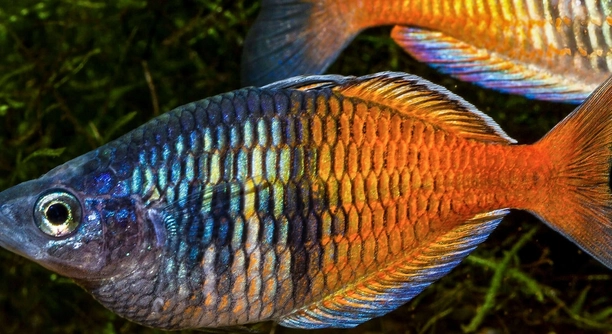
Rainbow fish are known for their vibrant colors and lively nature, but they can struggle when the temperature drops too low at night. Keeping their environment just right is essential for their health and comfort.
If your rainbow fish are too cold at night, they may become sluggish, lose their appetite, or swim near the water’s surface. These signs indicate that the temperature in their tank has fallen below the optimal range.
Understanding how temperature affects your rainbow fish’s behavior can help you keep them happy and healthy. Read on to learn about common signs that may indicate they’re too cold and how to fix it.
Sluggish Movement and Lack of Energy
When rainbow fish are too cold, they often show a noticeable decrease in activity. You may find them swimming slower than usual or even staying in one spot for extended periods. Fish that are too cold struggle to maintain their typical energy levels, making them appear sluggish. This happens because cold temperatures slow down their metabolism, leaving them feeling lethargic. Fish that aren’t moving around much may not be able to search for food effectively, which can lead to other health issues over time.
If you notice that your fish are swimming in a slow or sluggish manner, it’s a clear indicator that their environment isn’t warm enough. Rainbow fish thrive best in water temperatures between 72°F and 78°F (22°C – 26°C), so anything below that can affect their behavior.
To address the issue, consider adjusting your tank’s heating system. Installing a reliable aquarium heater can help maintain a stable temperature. It’s crucial to monitor the water temperature regularly to ensure that your fish are comfortable and active. Keeping your rainbow fish warm can restore their natural behavior and help them stay healthy.
Loss of Appetite
A drop in temperature can lead to rainbow fish refusing food. When the water is too cold, their digestion slows down, making them less interested in eating. This is because their body is conserving energy to survive in the cooler conditions rather than using it to process food. When they stop eating, they can lose essential nutrients, which can lead to more serious health issues if not addressed quickly.
If your rainbow fish aren’t eating, it’s important to check the water temperature right away. Cold water can easily discourage them from feeding. Consider raising the temperature to the optimal range and observe if their eating habits improve after a short period of adjustment.
Staying Near the Surface
Rainbow fish often seek warmth by staying closer to the surface of the tank when the water is too cold. You might notice them hanging near the top, where the temperature can fluctuate more than deeper areas. This behavior is a sign that they’re trying to find a warmer spot.
When your rainbow fish move to the surface, it’s not just about finding warmth. They may also be gasping for air because colder water holds less oxygen. This behavior can stress them out, so it’s essential to regulate the temperature in the tank to prevent it. If left unchecked, the fish may continue to display stress-related behaviors.
To correct this, try raising the water temperature gradually using a heater. Avoid making drastic temperature changes, as that can stress your fish even more. Keeping the water stable will encourage them to move around and return to their usual behavior patterns, reducing their stress levels.
Fading Colors
Cold water can also cause rainbow fish to lose their vibrant colors. When they’re uncomfortable or stressed, their pigmentation may become dull or pale. This is a visible sign that something is wrong with the tank environment. If you notice your rainbow fish looking pale, it’s time to check the water temperature.
Temperature stress can trigger this change in appearance, as fish often rely on their colors to communicate and interact with their environment. If they’re too cold, their body won’t function properly, affecting their overall health and beauty. Fortunately, adjusting the temperature can help restore their colors once the stress subsides.
A steady, warm environment can help prevent further fading. It’s also important to monitor their other behaviors, like eating and swimming, to determine if there are any lingering issues. A happy fish will regain its bright colors in no time.
Hiding More Than Usual
Rainbow fish that are too cold may hide more than usual. When the temperature drops, they seek refuge in plants, corners, or other sheltered areas to conserve energy. This is their way of trying to escape discomfort and stress.
If your fish spend most of their time hiding, it could indicate that the tank is too cold. This behavior is different from their usual active nature. To prevent this, raise the water temperature slowly and observe how they behave. They should become more active and confident as the tank warms up.
Erratic Swimming Patterns
Cold water can cause rainbow fish to swim erratically. This is because their body is trying to compensate for the discomfort caused by the temperature drop. You may notice them darting around the tank or moving in circles, which is unusual behavior for them.
If you observe this, it’s essential to check the water temperature and gradually raise it. Fish that are too cold become disoriented, and the stress from erratic swimming can cause further health problems. Keeping the tank at a stable, appropriate temperature will help them swim more naturally.
FAQ
What is the ideal water temperature for rainbow fish?
The ideal water temperature for rainbow fish is between 72°F and 78°F (22°C to 26°C). This range helps maintain their health and activity levels. If the temperature falls below 72°F, rainbow fish can become stressed, showing signs of sluggishness and loss of appetite. It’s important to maintain consistent warmth in the tank to prevent temperature fluctuations that could negatively impact your fish.
How can I check the water temperature in my aquarium?
You can check the water temperature using an aquarium thermometer. These thermometers are easy to install, and some even come with a suction cup for attaching to the tank’s side. Digital thermometers tend to be more accurate, but even a simple stick-on thermometer can give you a rough idea of the water temperature. Place the thermometer away from the heater to get a more accurate reading of the overall tank temperature.
How can I raise the water temperature safely?
To raise the water temperature safely, use an aquarium heater that is appropriate for the size of your tank. Avoid increasing the temperature too quickly, as this can cause stress to your fish. A gradual increase of 1-2°F per hour is a safe guideline. It’s also a good idea to monitor the water temperature closely with a thermometer to avoid overheating. Consistency is key to ensuring your fish feel comfortable.
Can rainbow fish tolerate sudden temperature changes?
No, rainbow fish do not tolerate sudden temperature changes well. Rapid fluctuations can cause stress, weaken their immune system, and make them more susceptible to disease. To avoid this, try to keep the temperature stable and make adjustments slowly. If you need to change the temperature, do so gradually over several hours or even days to help your fish adjust without causing harm.
What are the signs of a temperature drop affecting my rainbow fish?
When the water temperature drops, you may notice your rainbow fish becoming sluggish, hiding more often, or swimming erratically. They may also lose their appetite and start fading in color. If you observe these signs, it’s a clear indication that the temperature is too low for their comfort. Adjust the tank’s heating system and monitor the temperature closely to prevent further issues.
How often should I check the temperature of my aquarium water?
It’s a good idea to check your aquarium’s water temperature daily, especially if you live in an area with fluctuating room temperatures. Monitoring the temperature regularly helps you ensure that it stays within the optimal range for your rainbow fish. During colder months, you may need to check it more frequently to prevent drops in temperature that could harm your fish.
Is a heater necessary for my aquarium?
Yes, a heater is necessary if you want to keep your rainbow fish in their ideal temperature range. Without a heater, it’s hard to maintain the consistent warmth needed for their health, especially in cooler environments. Heaters help regulate the water temperature and prevent sudden drops, which could stress your fish. Be sure to choose a heater with the right wattage for your tank size.
What can I do if my rainbow fish are still stressed despite adjusting the temperature?
If your rainbow fish are still stressed after adjusting the temperature, consider checking other factors in the tank. Poor water quality, such as high ammonia or nitrite levels, can also cause stress. Regularly change the water, clean the tank, and check the water parameters to ensure they are within safe ranges. Additionally, check for any other environmental factors like lighting or tank mates that could be contributing to the stress.
How do I know if my heater is working properly?
A working heater should maintain a consistent temperature within your tank. If you’re unsure whether your heater is functioning correctly, check the water temperature with a thermometer. If the temperature is fluctuating or too far from the desired range, your heater may not be working properly. Consider replacing it or testing it outside of the tank to see if it’s functioning properly.
Can I use a room heater to warm the water in my aquarium?
It’s not recommended to use a room heater to warm your aquarium water. Room heaters don’t provide consistent warmth for your tank, and they can create temperature variations that stress your fish. An aquarium heater is designed to maintain the proper temperature in the water without causing fluctuations. It’s always better to use equipment specifically designed for aquariums to ensure the well-being of your fish.
How do I prevent temperature fluctuations in my aquarium?
To prevent temperature fluctuations, ensure that your aquarium heater is properly sized for your tank and functioning correctly. Keep the tank away from direct sunlight, air conditioners, or heaters that can cause temperature changes. Using a tank cover or lid can also help maintain a stable temperature by reducing evaporation. Regular monitoring with a thermometer will help catch any issues early on.
What should I do if the water temperature gets too high?
If the water temperature gets too high, the first step is to remove the heater or unplug it if it’s malfunctioning. You can also perform a partial water change with cooler water to help lower the temperature gradually. Avoid lowering the temperature too quickly, as that can also stress your fish. Use a thermometer to monitor the temperature until it reaches the optimal range.
How long does it take for rainbow fish to recover from temperature stress?
Rainbow fish usually begin to recover within a day or two once the water temperature has returned to the proper range. Their activity levels and appetite should improve, and their colors may return to normal. If the stress has been severe, it may take longer for them to fully recover. During this time, continue to monitor the water quality and temperature to ensure a healthy environment for your fish.
Final Thoughts
Taking care of your rainbow fish involves more than just feeding them and keeping their tank clean. The temperature of the water plays a crucial role in their health and well-being. Rainbow fish are sensitive to temperature changes, especially during the night when the water can cool down. When the temperature drops too low, it can lead to a variety of issues such as sluggish movement, loss of appetite, and fading colors. These are clear signs that your fish might be uncomfortable and stressed. By monitoring and adjusting the temperature, you can help them thrive in their environment.
Maintaining the right temperature for rainbow fish doesn’t have to be complicated. An aquarium heater is a simple but essential tool to keep the water at a consistent and appropriate temperature. By setting the heater to the ideal range of 72°F to 78°F (22°C to 26°C), you provide a stable environment that supports your fish’s natural behaviors. Regularly check the temperature using a reliable thermometer to ensure the water stays within the optimal range. This simple step can prevent a lot of potential health issues and improve the quality of life for your fish.
If you notice your rainbow fish showing signs of stress due to cold water, act quickly to adjust the temperature. It’s important to raise the water temperature gradually, as sudden changes can cause further stress. Once the temperature is corrected, you’ll likely see improvements in your fish’s behavior, color, and activity level. Remember, a well-maintained tank with a stable temperature not only helps your rainbow fish but also enhances their overall beauty and vitality. Keeping a close eye on their environment will go a long way in ensuring their long-term health and happiness.

Hello,
If you enjoy the content that we create, please consider saying a "Thank You!" by leaving a tip.
Every little bit helps us continue crafting quality advice that supports the health, happiness, and well-being of pets around the world, for pets of all shapes, sizes, and species.
We really appreciate the kindness and support that you show us!