
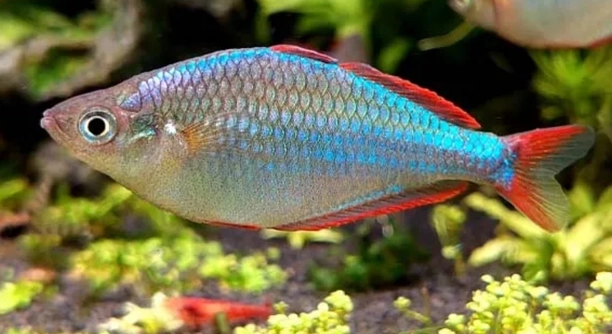
Rainbow fish are known for their vibrant colors and intriguing behavior. After cleaning, however, they often act differently than before. This change in behavior is linked to various factors that affect their natural instincts and interactions.
After a cleaning session, rainbow fish often exhibit altered behavior due to the physical and psychological effects of the cleaning process. The disruption can lead to temporary changes in their feeding habits, aggression levels, or social interactions with other fish.
Understanding the reasons behind this shift can help maintain a peaceful and healthy tank environment for your fish.
How Cleaning Affects Rainbow Fish’s Behavior
After cleaning, rainbow fish may seem a bit off. This change in behavior is due to various factors. Cleaning often disrupts their space, causing stress. The removal of debris or the introduction of new elements into the tank can make them feel vulnerable. Additionally, rainbow fish might act more cautious or aggressive for a short period.
A sudden cleaning session can make your fish wary of their surroundings. They might swim erratically or hide more frequently, seeking comfort and safety. This behavior is temporary and usually subsides after a few days. It’s essential to provide them with a calm environment and minimal disturbance to help them adjust.
After the cleaning session, it’s important to monitor their interactions with tank mates. Aggression might increase as they feel threatened by changes in the environment. If possible, avoid overcrowding and ensure there are enough hiding spaces for the fish to retreat when necessary. Over time, they will regain their normal behavior once the stress of cleaning has passed.
Why Fish Get Aggressive Post-Cleaning
Cleaning introduces changes that can lead to heightened aggression in rainbow fish. The shift in their environment makes them feel insecure, and this insecurity often turns into territorial behavior. They might defend their space more aggressively, especially if they feel their habitat is under threat.
When you clean the tank, the fish’s territory may be altered, even slightly. They can perceive the changes as an intrusion, which increases their stress levels. Stress triggers defensive instincts, and your fish might begin showing more aggressive behaviors toward tank mates or even towards you. This can lead to chasing or nipping at other fish.
To manage this aggression, try reducing disturbances in the tank after cleaning. Avoid adding new elements or rearranging decorations frequently. Allow your fish time to adjust to the cleaned environment before making any changes. With time, the rainbow fish will return to their usual behavior as they grow comfortable again.
Stress and the Impact on Rainbow Fish
Stress is a significant factor that influences the behavior of rainbow fish after cleaning. The disruption caused by tank maintenance can stress the fish, affecting their social and feeding behaviors. It’s essential to recognize the signs of stress to ensure their well-being.
When rainbow fish are stressed, they might appear more skittish, hiding more often, or swimming in unusual patterns. They may also lose their appetite or refuse food for a short period. These signs of stress are common after cleaning, as fish become wary of changes in their environment. Giving them some time to relax and adapt can help ease these symptoms.
One way to reduce stress after cleaning is to avoid major changes, such as adding new fish or decorations. Keep the tank environment stable and calm to help the rainbow fish recover from the disruption. Additionally, try to keep cleaning sessions infrequent to minimize their exposure to stressful situations.
Adjusting the Tank Environment for Healing
Creating a peaceful environment helps rainbow fish recover from the stress caused by cleaning. It’s important to minimize disturbances during this time, allowing the fish to regain their confidence. Proper lighting and water quality are key to a smoother recovery.
After cleaning, make sure the tank’s water conditions are stable. Regularly check the pH levels, temperature, and filtration system to ensure the water is clean and safe for the fish. Rainbow fish are sensitive to changes in water parameters, so maintaining consistency helps them feel secure again. Also, avoid overfeeding after cleaning, as excess food can deteriorate water quality and cause additional stress.
A stable environment encourages the fish to return to normal behavior. Providing plenty of hiding spots and low-traffic areas within the tank allows the rainbow fish to retreat when feeling vulnerable. By adjusting the tank environment, you create a supportive space where your fish can recover without additional pressure.
Handling Changes in Feeding Behavior
After cleaning, rainbow fish might lose their appetite or eat less. The stress of the cleaning process can cause them to feel unsettled. They may avoid food, especially if it’s a new type of food or if the tank’s environment has changed.
To help them regain their appetite, try offering familiar food and avoid introducing new types immediately after cleaning. Fish are creatures of habit and may need time to readjust to their surroundings. Ensuring the food is clean and free from excess particles will also keep the water quality in check.
Gradually, the fish will become comfortable again and resume normal eating habits. If feeding behavior continues to be erratic for several days, consider checking water conditions to rule out potential environmental stressors.
The Role of Tank Maintenance
Routine tank maintenance is crucial for the health of rainbow fish. However, overdoing it can cause more harm than good. Regular cleaning ensures a healthy environment, but excessive scrubbing or changing water frequently can disrupt the balance of the tank.
It’s important to avoid removing too much of the water or disturbing the substrate too often. This can trigger stress responses from the fish, affecting their behavior and overall well-being. Instead, focus on smaller, more frequent cleaning sessions that allow the fish to adjust gradually. A well-maintained tank with stable conditions promotes long-term health for your rainbow fish.
Maintaining Water Quality After Cleaning
Water quality is essential after cleaning. A clean tank doesn’t guarantee good water quality unless the right balance is maintained. Ensure proper filtration, check the levels of ammonia, nitrate, and nitrite, and avoid overfeeding to prevent water contamination.
FAQ
Why do rainbow fish act differently after cleaning?
Rainbow fish can act differently after a cleaning session because it causes a disruption in their environment. Cleaning introduces changes that can stress them, such as new water conditions, altered decorations, or increased activity around the tank. This leads to temporary changes in behavior, like increased hiding, more erratic swimming, or decreased feeding.
How long does it take for rainbow fish to calm down after cleaning?
The time it takes for rainbow fish to calm down depends on the extent of the disruption and the individual fish. Typically, it may take anywhere from a few hours to a couple of days for them to adjust. Fish that are more sensitive may take longer, while others may return to normal more quickly.
Should I stop cleaning the tank to prevent stress in my fish?
No, routine cleaning is important for maintaining a healthy tank environment. However, it’s best to clean the tank gradually and avoid major disruptions, like changing water parameters or moving decorations too often. Maintaining a balanced cleaning schedule minimizes stress while still ensuring proper care for your fish.
Can cleaning the tank too often harm my rainbow fish?
Yes, cleaning the tank too often can cause unnecessary stress for rainbow fish. Frequent changes in water quality, substrate disturbances, and tank rearrangements can affect their comfort and behavior. Stick to a regular maintenance schedule, but avoid over-cleaning, as it may lead to stress-related issues.
Do rainbow fish prefer certain cleaning methods?
Rainbow fish don’t have preferences for cleaning methods, but they do respond better to methods that keep the environment stable. Gentle cleaning, like siphoning the gravel or using an aquarium vacuum without disturbing the fish too much, tends to be less stressful for them.
Can water changes after cleaning cause stress for rainbow fish?
Water changes can cause stress if they are too drastic or frequent. Rainbow fish are sensitive to sudden shifts in water conditions, such as temperature, pH, or water hardness. Small, gradual water changes allow them to adjust without causing excessive stress. Always ensure the new water matches the tank’s current conditions.
How can I reduce aggression in rainbow fish after cleaning?
Aggression often increases in rainbow fish due to stress after cleaning. To reduce aggression, provide hiding spots and establish territories in the tank. Adding plants, rocks, or other decorations can give them places to retreat and feel safe. Keeping the tank’s population stable also helps reduce conflict.
Is it normal for rainbow fish to hide after cleaning?
Yes, it is normal for rainbow fish to hide after cleaning. The changes in their environment can make them feel vulnerable or insecure, prompting them to seek refuge. This behavior is temporary and usually resolves as they adjust to the new tank conditions.
What can I do if my rainbow fish are not eating after cleaning?
If your rainbow fish aren’t eating after cleaning, it’s likely due to stress or changes in their environment. Ensure the water quality is stable and avoid offering new food types until they’ve adjusted. Allow them time to regain their appetite, and don’t worry if they skip a meal or two.
Should I leave the lights off after cleaning?
Leaving the lights off for a few hours after cleaning can help reduce stress for rainbow fish. Darkness gives them time to adjust without additional stimulation. After a short period, gradually return to normal lighting to avoid shocking the fish and allow them to feel more secure.
Can cleaning the tank affect the rainbow fish’s colors?
While cleaning itself doesn’t directly affect the fish’s colors, stress caused by cleaning can impact their appearance. Stressed fish may appear duller or less vibrant temporarily. However, once the fish settle and the stress subsides, their colors will likely return to normal.
Are rainbow fish more sensitive to cleaning than other fish?
Rainbow fish are not necessarily more sensitive to cleaning than other species, but like many fish, they are sensitive to changes in their environment. Regular maintenance is necessary for all fish, but excessive cleaning or sudden changes can trigger stress responses in any fish, including rainbow fish.
Can I clean the filter right after cleaning the tank?
It’s best to wait a bit before cleaning the filter. After cleaning the tank, allow the filter to do its job in stabilizing water conditions before cleaning it. Over-cleaning the filter at the same time can disrupt the balance in the tank and add unnecessary stress to the fish.
What should I do if my rainbow fish are still stressed after a week?
If your rainbow fish remain stressed after a week, check the tank’s water quality and temperature to ensure everything is in balance. Stress could also be linked to overcrowding or lack of hiding spaces. Adjusting these factors can help your fish recover. If issues persist, consider consulting an aquarium specialist.
Can new decorations cause stress after cleaning?
Yes, adding new decorations immediately after cleaning can cause stress, especially if the fish are already adjusting to the changes in the environment. Rainbow fish might feel threatened by new elements in their tank. It’s best to give them time to adjust to the cleaned environment before making any additional changes.
Final Thoughts
Maintaining a clean and healthy tank is essential for the well-being of your rainbow fish. Regular cleaning ensures that the water quality remains optimal and prevents the build-up of harmful substances. However, it is important to recognize that cleaning can cause temporary stress for the fish. The disruption in their environment, including changes in water conditions and physical tank arrangements, can lead to noticeable changes in their behavior. Understanding these stressors is crucial in managing their recovery and minimizing the impact of cleaning on their health.
While stress is a common response to tank maintenance, it is usually short-lived. Most rainbow fish will return to their normal behavior once they have adjusted to the changes. Ensuring that water quality is consistent, and minimizing the frequency of major tank changes, can help reduce stress levels in your fish. Additionally, creating a stable and comfortable environment with plenty of hiding spots will allow your fish to feel secure and reduce the negative effects of cleaning. Gradual adjustments to their environment will make the process easier for both the fish and the tank keeper.
By paying attention to how your rainbow fish respond after cleaning, you can better understand their needs and improve their overall health. With proper care and a calm approach to maintenance, your rainbow fish can thrive in a clean environment without long-term stress. Keep in mind that small changes to your cleaning routine, like shorter cleaning sessions and stable water conditions, will help your fish stay comfortable. Patience and consistency are key to ensuring the long-term happiness and well-being of your fish.

Hello,
If you enjoy the content that we create, please consider saying a "Thank You!" by leaving a tip.
Every little bit helps us continue crafting quality advice that supports the health, happiness, and well-being of pets around the world, for pets of all shapes, sizes, and species.
We really appreciate the kindness and support that you show us!