
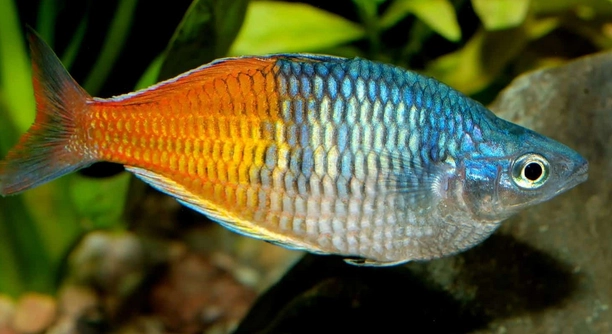
Rainbow fish are known for their vibrant colors and playful behavior, but have you ever wondered how they react to changes outside their tank? Understanding their sensitivity to their environment can offer interesting insights into their behavior.
Rainbow fish are primarily influenced by their immediate surroundings, particularly the water conditions. However, they may notice changes outside their tank, such as shadows, movements, or light alterations. These external factors can affect their activity and behavior.
Exploring how these fish react to their surroundings can help you create a better environment for them. By understanding their needs, you can improve their well-being and keep them healthy in their tank.
How Rainbow Fish Perceive Changes Outside the Tank
Rainbow fish are curious creatures and are sensitive to changes happening around them. While they primarily rely on their immediate environment, such as water quality and temperature, they also seem to notice external movements or shifts in light. If someone walks by the tank or if the light changes, these fish might react by swimming more actively or hiding. This behavior indicates that rainbow fish do have some awareness of their surroundings, though not in the same way humans or more complex animals do.
Rainbow fish typically respond to external visual cues like shadows or reflections. However, they don’t seem to have a developed sense of depth perception or the ability to understand large-scale changes, like events happening outside their environment. Their reaction is more instinctive than thoughtful.
In nature, rainbow fish live in dynamic environments, so they are conditioned to be alert to any changes. This is crucial for their survival, as it helps them avoid predators and navigate fluctuating conditions. However, in an aquarium setting, these changes don’t always pose a threat, so their reactions are often a mix of curiosity and mild stress. It’s interesting to note that despite their awareness of changes, rainbow fish are not overly affected unless it directly impacts their habitat or food supply.
How Lighting Affects Rainbow Fish Behavior
Light plays an essential role in the life of a rainbow fish. The intensity and duration of light can influence their mood and activity levels. When light levels change, whether due to shifting day and night cycles or artificial sources, these fish respond accordingly.
Rainbow fish prefer a consistent light cycle, which helps regulate their internal rhythms. In the wild, they are accustomed to natural daylight patterns, so any abrupt changes to lighting, such as turning on bright lights suddenly or using harsh lighting, may cause them stress. In aquariums, maintaining a stable light environment can lead to healthier fish. It helps them feel secure and reduces unnecessary agitation. Without proper lighting, their behavior can shift to being more reclusive or less active.
Adjusting the lighting in their tank to mimic natural conditions can help keep them calm. When possible, use dim, soft lighting during the night and ensure they receive adequate exposure to daylight during the day. Such adjustments will encourage normal activity and may also help them thrive longer in a controlled environment.
External Sounds and Their Impact on Rainbow Fish
Rainbow fish are highly sensitive to vibrations and sounds in their environment. While they cannot hear in the same way humans do, they can sense vibrations through the water. This means that loud noises or sudden sounds around the tank may cause them stress.
In an aquarium setting, external sounds such as music, talking, or even pets moving nearby may create disturbances. While these noises are not directly harmful, they can cause the fish to become skittish or hide. This behavior may seem like a defense mechanism, as the fish are trying to avoid potential threats. The quieter the environment, the more at ease the rainbow fish will feel.
If you’re placing your tank in a location with frequent noise, such as near a television or high-traffic area, it may be helpful to observe your fish’s reactions. If they appear agitated, consider moving the tank to a quieter spot. Keeping the environment peaceful ensures their comfort and reduces unnecessary stress.
External Movements and Shadow Effects
Changes in shadows can have a noticeable effect on rainbow fish. They are particularly responsive to movements outside the tank, such as people walking by or objects moving around. This can trigger either curiosity or a defensive reaction, depending on the intensity of the movement.
Rainbow fish often swim toward moving shadows, which is a sign of their interest in their surroundings. However, if the movements are abrupt or unexpected, the fish may retreat or display more cautious behavior. This response is instinctual, as they perceive these changes as potential threats. They are accustomed to shifts in their habitat, but sudden movements still cause them to act defensively.
If you’re noticing your rainbow fish reacting frequently to shadows or movements outside the tank, it may be helpful to reduce distractions around their environment. A stable, calm space will allow them to feel more secure.
Tank Placement and External Factors
The placement of the tank plays a key role in how rainbow fish react to changes outside. Tanks near windows or doors may subject the fish to fluctuating light, noise, and movement, causing unnecessary stress.
If the tank is in a high-traffic area, the fish may be more prone to stress from constant activity around them. Rainbow fish feel more secure when placed in quieter, more stable environments. Keeping the tank away from windows, doors, or other areas with high foot traffic can create a more peaceful atmosphere for your fish.
Environmental Stability and Behavior
Rainbow fish thrive in stable environments, and fluctuations in their surroundings can cause significant changes in their behavior. Temperature swings, water changes, and even external movements affect their comfort and health. Maintaining consistency in water quality, lighting, and surrounding noise is key to keeping them calm.
A sudden drop in temperature or a bright light may cause the fish to become stressed, reducing their usual activity levels. In contrast, stable and predictable conditions help them feel secure and more active. This includes minimizing disturbances from outside the tank and ensuring a steady flow of water and oxygen.
The Role of the Tank Lid
The tank lid plays a significant role in protecting rainbow fish from external disturbances. A secure lid keeps the environment consistent by preventing sudden temperature changes and protecting the fish from external sounds or vibrations. Without a lid, fish may also be more vulnerable to sudden movements or outside influences.
FAQ
Do rainbow fish recognize their owners?
Rainbow fish do not have the ability to recognize humans the way pets like dogs or cats do. However, they can associate you with feeding times. Over time, they may become accustomed to your presence, especially if they are regularly fed by you. This association might lead to more active behavior around feeding time, but it’s more about routine than recognizing individuals.
Do rainbow fish get stressed by sudden movements?
Yes, rainbow fish can become stressed by sudden movements. They are naturally cautious and may perceive quick movements or changes in their environment as threats. While they won’t react in the same way that more sensitive species might, it’s still important to minimize abrupt actions near the tank. Over time, they may become accustomed to light movements, but it’s always best to approach the tank slowly.
Can rainbow fish hear sounds outside the tank?
Rainbow fish don’t hear sounds in the same way humans do. They do, however, sense vibrations through the water. This means that loud noises or vibrations from movements outside the tank can create stress. For example, the rumbling of a loud conversation or a nearby television might affect their comfort, even if they cannot directly “hear” the sound.
Do rainbow fish prefer natural lighting?
Rainbow fish tend to prefer natural lighting as it closely mimics the conditions they would experience in the wild. They benefit from a consistent day and night cycle, and natural sunlight can help regulate their internal rhythms. If possible, try to place the tank in an area with access to natural light, but avoid direct sunlight, which can cause overheating or excessive algae growth.
Can rainbow fish see through the glass?
Rainbow fish can see through the glass of their aquarium, but their ability to focus and perceive images outside the tank is limited. They may be able to notice shadows or movements near the tank, which could cause them to react. However, they are more likely to be interested in the water itself, where they can see other fish and objects within the tank.
Are rainbow fish sensitive to temperature changes?
Rainbow fish are highly sensitive to temperature fluctuations, which can affect their health and behavior. They prefer a consistent water temperature, typically between 72°F and 78°F (22°C to 26°C). A sudden drop or rise in temperature can cause stress, which may lead to inactivity or even illness. It’s important to maintain a stable temperature using an aquarium heater and monitor the water regularly.
How do rainbow fish react to new tankmates?
Rainbow fish are generally peaceful and social creatures, but they can be territorial, especially when introduced to new tankmates. Their response depends on the temperament of the other fish and the size of the tank. If the new fish are too aggressive or there isn’t enough space, rainbow fish may become stressed. However, in a well-planted, spacious tank, they can often live harmoniously with other peaceful species.
Can rainbow fish live with other species?
Yes, rainbow fish are compatible with a variety of peaceful species. They are best kept with other non-aggressive fish that share similar environmental needs. Tankmates such as tetras, peaceful barbs, or small catfish make good companions. Avoid housing them with aggressive or large predatory fish, as this can cause stress or aggression.
Do rainbow fish need a lot of space?
Rainbow fish do well in tanks that offer plenty of swimming space. They are active fish and require a minimum tank size of 30 gallons for a small group. The more space they have, the healthier and more active they will be. Overcrowding can lead to stress and poor water quality, which can impact their well-being.
Can rainbow fish live in small tanks?
While rainbow fish can technically live in smaller tanks, they thrive in larger, more spacious environments. A small tank does not provide the necessary space for them to swim freely, which can lead to stress and health issues. If you are limited to a smaller tank, it’s important to keep the fish population low and provide adequate filtration and water quality maintenance.
How often should I feed my rainbow fish?
Rainbow fish should be fed once or twice a day, depending on their size and activity level. They are omnivores and thrive on a balanced diet of high-quality flakes, pellets, and occasional live or frozen foods like brine shrimp or daphnia. Be careful not to overfeed, as uneaten food can pollute the water and harm the fish.
Can rainbow fish live without a filter?
Rainbow fish need clean, well-oxygenated water to survive. A filter is essential in maintaining water quality, as it helps remove waste, debris, and harmful chemicals. Without a filter, water quality can quickly degrade, leading to stress, disease, and even death. A filter also promotes proper water circulation, which is important for maintaining a healthy environment for your fish.
What are signs that a rainbow fish is stressed?
Signs of stress in rainbow fish include hiding, reduced activity, erratic swimming, and changes in coloration. They may also stop eating or exhibit unusual behaviors, such as swimming near the surface or in corners of the tank. If you notice these signs, it’s important to check water quality, temperature, and ensure the tank is free from sudden disturbances.
How can I help my rainbow fish feel comfortable?
To help your rainbow fish feel comfortable, ensure they are in a stable environment with consistent water quality, temperature, and lighting. Provide hiding spots and plants to mimic their natural habitat. Limit sudden movements around the tank and keep noise levels low. Regular feeding and water changes will also contribute to their well-being.
Do rainbow fish need a tank lid?
It’s a good idea to have a secure tank lid for rainbow fish, especially if the tank is on the smaller side. While rainbow fish are not known for jumping excessively, some species may occasionally leap out of the tank if they feel threatened or if there’s a significant change in their environment. A lid also helps maintain consistent temperature and prevents debris from falling into the tank.
Can rainbow fish live with shrimp or snails?
Rainbow fish can live with shrimp and snails, provided the shrimp are large enough not to be eaten. They are peaceful toward snails and will generally leave them alone. However, smaller shrimp may be at risk, as rainbow fish may see them as food. If keeping shrimp with rainbow fish, choose species that are too large to be eaten.
Final Thoughts
Rainbow fish are fascinating creatures with a unique set of needs when it comes to their environment. Understanding their behaviors and how they interact with their surroundings is crucial for creating a comfortable and healthy home for them. Factors like water quality, tank placement, and consistency in their environment play a significant role in keeping rainbow fish active and stress-free. Small changes in their surroundings can make a big difference, so it’s essential to monitor and adjust their habitat to keep them happy and healthy.
While rainbow fish may not be able to recognize their owners like dogs or cats, they do respond to routine, and they are sensitive to the conditions around them. They benefit from regular feeding schedules, calm environments, and the right tank conditions. By understanding how external factors like noise, lighting, and temperature affect them, you can ensure that their environment is as stable as possible. Keeping them in a well-maintained, spacious tank will also help prevent stress and promote their overall well-being.
Ultimately, creating the best environment for your rainbow fish involves a balance of consistency and care. By being mindful of their needs and maintaining their tank regularly, you can foster a thriving habitat. These fish are hardy and relatively easy to care for, but like all pets, they need attention and proper care to live their best lives. If you follow the right steps, rainbow fish can be a colorful and peaceful addition to your aquarium.

Hello,
If you enjoy the content that we create, please consider saying a "Thank You!" by leaving a tip.
Every little bit helps us continue crafting quality advice that supports the health, happiness, and well-being of pets around the world, for pets of all shapes, sizes, and species.
We really appreciate the kindness and support that you show us!