
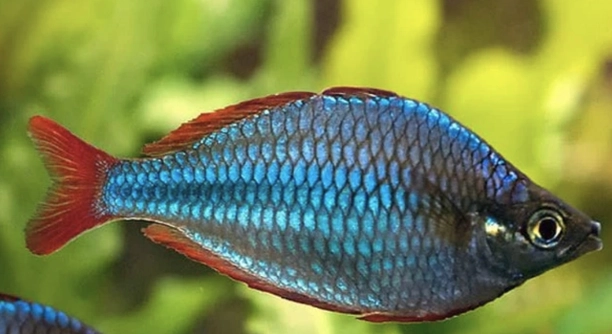
Rainbow fish are known for their vibrant colors and lively nature, making them a popular choice for aquariums. However, sudden changes in their environment can cause unexpected reactions. Understanding these shifts is essential for keeping your fish healthy.
Rainbow fish can be highly sensitive to changes in water temperature, pH levels, or tankmates. Even slight alterations can lead to stress, affecting their behavior and overall health. Proper water maintenance and gradual changes are crucial to avoid shock.
Maintaining a stable environment for your rainbow fish will help prevent unnecessary stress and ensure they thrive in their tank. Understanding the key factors affecting their well-being can guide you in providing the best care possible.
Sudden Temperature Fluctuations
Rainbow fish are incredibly sensitive to sudden changes in water temperature. These fish thrive in stable conditions, with slight variations potentially leading to stress. When the water temperature fluctuates too quickly, the fish may exhibit erratic swimming patterns, or they may become lethargic. This can also result in weakened immune systems, making them more susceptible to diseases. Even small shifts, like moving the aquarium to a different room or adjusting the heater, can have noticeable effects.
Consistency in water temperature is essential for maintaining a healthy environment for your rainbow fish. It’s crucial to keep the water within a specific range that suits their needs, typically between 72-80°F (22-27°C). Any extreme deviation from this can cause serious harm.
Investing in a reliable aquarium thermometer and heater with a temperature controller is the best way to avoid rapid temperature changes. It will help ensure the water remains within the desired range, allowing the fish to thrive and maintain their natural behavior.
Water Quality Changes
Rainbow fish are highly sensitive to changes in water quality. Even small shifts in parameters like pH, hardness, or ammonia levels can trigger stress. Maintaining a balanced environment is key to their well-being. A sudden rise in toxins or a drop in oxygen levels can cause immediate reactions, including lethargy or loss of color.
Regular water testing is essential to ensure the right balance for your fish. Frequent water changes help remove harmful waste, which can accumulate over time. It’s also important to use a reliable filtration system to keep the water clean and free from toxins. Over time, poor water quality may lead to more severe health issues, even death.
To maintain the water quality, invest in a good filtration system that suits your tank size and regularly monitor the water’s chemical balance. Make adjustments slowly to avoid shocking the fish. Adding live plants or using beneficial bacteria can also help with maintaining overall water quality.
Tankmate Compatibility
Rainbow fish are peaceful creatures but can become stressed if kept with aggressive or overly dominant tankmates. Selecting compatible species is essential for creating a harmonious environment. Introducing new fish too quickly can disrupt the established dynamics in the tank.
Some fish may nip at rainbow fish or compete for territory, leading to stress. This is especially true when introducing larger or more territorial species. Ensuring each fish has its own space and enough hiding spots is vital to prevent aggression. It’s also important to monitor the interactions between fish and observe any signs of aggression.
Choosing peaceful species like other rainbow fish or small, non-aggressive fish can help keep things calm. Adding plants and decorations creates areas where the fish can hide if needed. Avoid overcrowding the tank to ensure everyone has enough space. Proper planning when stocking the tank will help prevent compatibility issues down the line.
Overfeeding
Overfeeding is one of the most common mistakes made when caring for rainbow fish. Too much food not only causes water quality issues but can also stress the fish. Leftover food breaks down, increasing ammonia levels and potentially harming the fish.
It’s important to only feed your fish what they can eat in a few minutes. Uneaten food should be removed from the tank to prevent it from rotting. Regular feeding schedules help maintain healthy digestion and prevent overfeeding. Always be mindful of how much food you give, as this will affect the overall health of the tank.
Lighting Changes
Sudden changes in lighting can be stressful for rainbow fish. If the light intensity is increased or decreased too abruptly, it can cause them to hide or become disoriented. Consistent lighting that mimics their natural environment helps maintain a stable routine.
Light duration is just as important. Rainbow fish typically thrive under a regular light cycle, with 10-12 hours of light per day. Too much light can cause algae blooms, while too little can affect their color and overall health.
FAQ
How often should I change the water in my rainbow fish tank?
Water changes are essential for maintaining a healthy environment. For a tank with rainbow fish, you should aim to change about 20-30% of the water every two weeks. This helps remove waste and toxins that can build up. However, if your tank is heavily stocked or if you notice poor water quality, more frequent changes may be necessary.
It’s important not to change all the water at once, as this can shock the fish. Instead, gradually replace the water and make sure the new water is properly conditioned to match the tank’s temperature and pH levels. Regular testing of the water ensures you’re maintaining the best conditions possible for your fish.
What should I feed rainbow fish?
Rainbow fish thrive on a balanced diet of high-quality flake or pellet food, supplemented with live or frozen foods like brine shrimp or bloodworms. They are omnivores, so they need a mix of protein and plant matter. Feed your fish twice a day, offering small portions they can consume within a few minutes.
Avoid overfeeding as it can lead to water quality problems. It’s also helpful to vary their diet to ensure they get all the nutrients they need. Occasional plant matter, like algae wafers, will help round out their diet. Keep an eye on their body condition and adjust the food accordingly.
Can rainbow fish live with other species?
Rainbow fish are peaceful and generally get along with other non-aggressive species. They do well in community tanks as long as their tankmates are not overly territorial or aggressive. Avoid pairing them with fish that might nip at their fins or stress them out.
Tankmates like other rainbow fish, tetras, or small catfish are good choices. Just be sure to avoid overcrowding the tank, as this can cause stress for all fish involved. Providing plenty of hiding spots and adequate swimming space will help keep things peaceful in the tank.
What temperature should the water be for rainbow fish?
Rainbow fish do best in water temperatures ranging from 72°F to 80°F (22°C to 27°C). Keeping the temperature within this range helps maintain their health and active behavior. Sudden changes in temperature can stress the fish, so it’s important to maintain a consistent environment.
It’s advisable to use a heater with a thermostat to ensure the water stays within the desired range. A thermometer in the tank will also help you monitor the temperature closely. Avoid placing the tank in areas where the temperature fluctuates frequently, such as near windows or air conditioning units.
Why is my rainbow fish losing color?
If your rainbow fish is losing its color, it could be a sign of stress or poor water quality. Stress factors, such as changes in temperature, water quality, or tankmates, can cause the fish to become dull or faded. It’s essential to check the water parameters and make sure everything is stable.
Another reason for color loss could be inadequate lighting or overfeeding. Too much food or poor lighting conditions can affect the fish’s natural color. Make sure to provide a balanced diet and adjust the lighting to a more natural cycle for the best results.
Do rainbow fish need a filter?
Yes, a filter is essential for maintaining a healthy environment for rainbow fish. They are sensitive to water quality, and a filter helps remove waste, excess food, and toxins. It also promotes water circulation, which is necessary for oxygen exchange in the tank.
When selecting a filter, choose one that is appropriate for the size of your tank. The filter should provide gentle filtration, as strong currents can stress out rainbow fish. Regular maintenance of the filter is important to ensure it’s functioning properly and keeping the water clean.
Can rainbow fish live in a small tank?
Rainbow fish prefer larger tanks where they have plenty of space to swim. A small tank can cause stress and make it harder to maintain stable water parameters. For optimal health, a minimum of 20 gallons is recommended for a small group of rainbow fish.
If you keep them in a smaller tank, be sure to monitor the water quality more closely, as small tanks can quickly become unstable. Also, make sure to include plenty of hiding spots and plants to help the fish feel secure.
How do I know if my rainbow fish is stressed?
Stressed rainbow fish may show signs like rapid swimming, hiding more than usual, or displaying faded colors. They may also become more aggressive toward tankmates or exhibit erratic swimming patterns. Changes in behavior are usually the first indicators of stress.
To reduce stress, ensure that the water quality is stable and that the fish are not overcrowded. Check for compatibility with tankmates and make sure the tank environment is not too noisy or disturbed. Providing enough hiding spaces and plants will also help reduce stress.
Final Thoughts
Taking care of rainbow fish requires attention to detail and a stable environment. These colorful fish thrive in aquariums with consistent water conditions, including stable temperature, water quality, and appropriate tankmates. Their health is closely tied to the consistency of their surroundings, making it important to regularly test the water and adjust as needed. Regular water changes, a proper filtration system, and careful feeding practices will all contribute to a thriving tank and healthy fish.
It’s essential to remember that rainbow fish are sensitive to stress, whether from sudden temperature changes, poor water quality, or incompatible tankmates. Monitoring their behavior and the conditions of the tank will help you spot any issues before they become serious. Stress, overfeeding, or overcrowding can lead to health problems, so it’s crucial to provide them with enough space and an environment that mimics their natural habitat as much as possible. Creating a peaceful and stable environment will help your rainbow fish live a long and healthy life.
By understanding the needs of rainbow fish, you can create a suitable and enjoyable environment for them. Being proactive with water maintenance, temperature control, and feeding habits ensures the fish remain vibrant and active. If you follow these simple guidelines and remain observant of their behavior, you will provide a healthy home for your rainbow fish, allowing them to thrive in your aquarium for many years to come.

Hello,
If you enjoy the content that we create, please consider saying a "Thank You!" by leaving a tip.
Every little bit helps us continue crafting quality advice that supports the health, happiness, and well-being of pets around the world, for pets of all shapes, sizes, and species.
We really appreciate the kindness and support that you show us!