
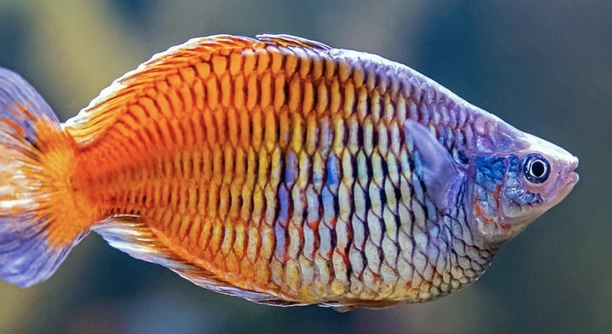
Rainbow fish are sensitive creatures, and loud sounds can cause various reactions. Their responses can vary from quick movements to retreating. Understanding these reactions helps in providing a more peaceful environment for them.
Rainbow fish often respond to loud sounds by exhibiting behaviors such as erratic swimming, hiding, or increasing their breathing rate. These reactions are typically stress responses, as sudden loud noises can disrupt their natural environment and cause discomfort.
Some of these behaviors can be managed to reduce stress, ensuring your fish remain calm and healthy in their habitat.
Common Reactions to Loud Sounds in Rainbow Fish
Rainbow fish have a unique way of reacting to loud sounds. One of the most common responses is sudden, erratic swimming. This quick, uncoordinated movement is usually a stress response. Fish can also dart from one side of their tank to the other, seeking shelter or safety. Their natural instincts kick in when they perceive something disrupting their environment. Another behavior you may notice is an increase in their breathing rate, a sign that they are under stress and trying to cope with the change in their surroundings. While these reactions are normal, it’s important to create a peaceful atmosphere for your fish to thrive.
If your rainbow fish are continuously exposed to loud noises, it may lead to long-term stress. Chronic stress can weaken their immune system, making them more susceptible to diseases. It’s essential to pay attention to the type and frequency of noise in their environment.
Maintaining a calm and quiet environment for your fish will help reduce these stress responses. The quieter the surroundings, the better they can feel secure and go about their normal activities without disruptions. A stable environment leads to healthier, happier fish.
Why Do Rainbow Fish React to Sound?
Fish are naturally sensitive to vibrations and noises in their environment. Loud sounds cause them to react instinctively, trying to protect themselves. When they sense a noise, their body goes into a heightened state. This can lead to an immediate stress response. If the noise persists or is loud enough, it can lead to more severe reactions like hiding or ceasing regular activities. Even the subtle sounds in an aquarium, such as the hum of a filter or the clink of glass, can cause them to act differently.
Long-term exposure to sound can create a sense of unease in your rainbow fish. Constant noise stress may cause them to avoid feeding or exhibit signs of illness. It is best to ensure that the environment remains peaceful by minimizing sudden loud noises. Managing their surroundings helps keep stress at bay, allowing them to live a happier life.
Stress Responses in Rainbow Fish
Rainbow fish may exhibit different stress responses when exposed to loud sounds. These reactions can include hiding, erratic swimming, and even a change in their feeding habits. Stress responses are a natural instinct, as fish aim to protect themselves from perceived threats.
One common reaction is hiding in the corners or near plants. Fish may retreat to a darker or safer space in their tank, seeking comfort and security away from the source of the noise. This behavior is often temporary and will subside once the sound source is no longer present. However, repeated exposure to stressors can affect their overall behavior.
Additionally, rainbow fish may increase their breathing rate. This is a clear indication that they are experiencing discomfort and trying to adapt. It’s important to monitor these behaviors to ensure that the fish aren’t undergoing chronic stress.
The Impact of Long-Term Stress
Long-term exposure to loud sounds can have a detrimental impact on rainbow fish. Over time, the stress may weaken their immune system, leaving them vulnerable to illnesses. This can result in more serious health issues if not addressed.
Chronic stress can also affect their feeding habits. If fish are constantly in a state of stress, they may lose interest in food or exhibit poor eating habits. This can further lead to malnutrition and hinder their growth.
To prevent this, it’s essential to create a stable environment. Regular monitoring of your aquarium’s noise levels can ensure the fish are not overwhelmed by unwanted sounds. Adjusting the placement of noisy equipment can also be helpful in reducing stress.
How to Minimize Stress from Loud Noises
To minimize stress, it’s best to reduce noise levels around the aquarium. Avoid placing the tank near loud appliances or high-traffic areas where sound levels fluctuate. If possible, move noisy equipment, like filters or air pumps, to quieter locations.
It’s also helpful to maintain a calm environment by avoiding sudden movements or loud talking near the aquarium. The quieter the space, the better for the fish. Creating a peaceful space around their tank will help the rainbow fish feel more secure and less stressed by their surroundings.
Adjusting Aquarium Setup
Another way to manage noise is by adjusting the aquarium setup. You can add more plants or decorations, which can serve as hiding spots for the fish. This allows them to feel safer when they sense loud sounds.
Additionally, ensure the aquarium has a solid and stable structure. Tanks that vibrate easily from external noise sources may intensify the stress response in fish. A sturdy tank will help minimize this effect.
Maintaining a Peaceful Environment
Keeping your aquarium in a quieter area can significantly reduce your fish’s stress. If possible, place it in a room with minimal traffic and noise. Avoid areas close to televisions, speakers, or any loud machinery that might disturb the fish.
FAQ
What are the most common reactions of rainbow fish to loud noises?
Rainbow fish typically react to loud noises by exhibiting erratic swimming or darting behavior. They may also seek shelter in plants or corners of the tank to avoid the disturbance. This behavior is usually a sign of stress, as loud sounds disrupt their sense of safety. In more extreme cases, their breathing rate may increase, signaling heightened stress levels. Over time, these behaviors can become more noticeable, especially if the fish are frequently exposed to loud sounds.
How do loud sounds affect the health of rainbow fish?
Loud sounds can negatively impact the health of rainbow fish by causing prolonged stress. Continuous exposure to stressful conditions can weaken their immune system, making them more susceptible to illnesses. Chronic stress also affects their feeding habits, which can lead to poor nutrition and slower growth. If the fish are exposed to this stress for too long, it may even shorten their lifespan. It’s crucial to monitor noise levels and minimize sources of stress to keep your fish healthy.
Can rainbow fish get used to loud noises over time?
While rainbow fish may adjust to some environmental changes, they are generally not able to fully acclimate to constant loud noises. Over time, the repeated stress can take a toll on their health, especially if the noise is particularly disturbing or frequent. Fish may learn to tolerate certain background sounds, but this does not mean that the stress caused by loud noises is not affecting them. It’s best to limit the exposure to minimize the negative impacts.
What should I do if my rainbow fish are constantly stressed?
If your rainbow fish are constantly stressed, the first step is to assess their environment. Look for sources of noise and vibrations that may be disturbing them, such as nearby appliances or machinery. Consider relocating the tank to a quieter area of your home. You can also introduce more hiding spots, such as plants or decorations, to give your fish a sense of security. If stress continues despite these changes, monitor the fish’s behavior closely for signs of illness, and consult a veterinarian if necessary.
Are there any signs of illness linked to stress in rainbow fish?
Yes, stress in rainbow fish can lead to several signs of illness. Fish under stress often show reduced appetite, lethargy, or abnormal swimming patterns. Their colors may also fade, and they may develop visible symptoms such as sores or lesions. Stress can weaken the immune system, making them more vulnerable to infections and diseases. If you notice any of these signs, it’s important to check the environment for stress factors and make adjustments to improve the fish’s conditions.
How can I prevent loud noises from disturbing my rainbow fish?
To prevent loud noises from disturbing your rainbow fish, consider the placement of the tank. Avoid placing it near noisy appliances like televisions, air conditioners, or speakers. Opt for quieter locations in your home, such as a room with minimal foot traffic and noise. Additionally, you can reduce noise from aquarium equipment by using quieter models or relocating filters and pumps. Softening the noise from nearby sources can create a more peaceful environment for your fish.
Do rainbow fish react to every sound?
Rainbow fish are sensitive to sounds and vibrations, but not every sound will trigger a reaction. They tend to react more to loud, sudden noises, which they interpret as potential threats. Routine background noises, like the hum of a filter, may not have the same impact. However, even these quieter sounds can add to the overall stress if they are constant. It’s important to evaluate the overall noise level in the environment to ensure that the fish aren’t being overwhelmed.
How can I make my aquarium environment more peaceful for rainbow fish?
Making the aquarium environment more peaceful involves minimizing stressors. In addition to reducing loud noises, provide your rainbow fish with plenty of plants and decorations to create hiding spaces. Ensure the tank has stable water parameters, such as temperature and pH levels, as these factors also contribute to their well-being. Keep the tank clean, and avoid sudden changes that could cause further stress. Lastly, avoid overcrowding the tank, as this can lead to competition for space and resources, increasing stress.
Can I use aquarium equipment that generates sound without harming my fish?
Yes, you can use aquarium equipment that generates sound, but it’s important to choose models that are designed to be quieter. Some filters, air pumps, and heaters can be loud and cause stress to your fish. Look for quiet alternatives, and place equipment away from the tank if possible. Additionally, regularly maintain your equipment to prevent excess noise from wear and tear. Keeping the equipment well-maintained will help reduce the noise levels and create a more comfortable environment for your rainbow fish.
Final Thoughts
Loud noises can have a significant impact on the well-being of rainbow fish. These fish are sensitive to their surroundings, and constant exposure to disruptive sounds can lead to stress, which in turn affects their health. Over time, stress from loud noises can cause behavioral changes such as erratic swimming, hiding, and even a decrease in feeding. While rainbow fish may seem to tolerate some noise, prolonged exposure can weaken their immune system, making them more prone to diseases. It’s important to create an environment that minimizes these stressors to ensure they thrive.
Managing the noise level around your aquarium is essential for the health of your rainbow fish. Simple adjustments, such as moving the tank to a quieter location or using quieter equipment, can make a big difference. Reducing the noise from filters, air pumps, or even nearby household appliances can help your fish feel safer. Providing plenty of hiding spaces within the tank can also give them a sense of security, allowing them to retreat when they feel threatened by loud sounds. A peaceful environment is key to maintaining their overall well-being.
Ultimately, being mindful of your rainbow fish’s environment will lead to a happier and healthier tank. Regularly checking for sources of stress, such as loud sounds or overcrowding, is essential. A stable, calm atmosphere supports not only their physical health but their behavior as well. By paying attention to their needs and creating a peaceful living space, you’ll help your rainbow fish flourish.

Hello,
If you enjoy the content that we create, please consider saying a "Thank You!" by leaving a tip.
Every little bit helps us continue crafting quality advice that supports the health, happiness, and well-being of pets around the world, for pets of all shapes, sizes, and species.
We really appreciate the kindness and support that you show us!