
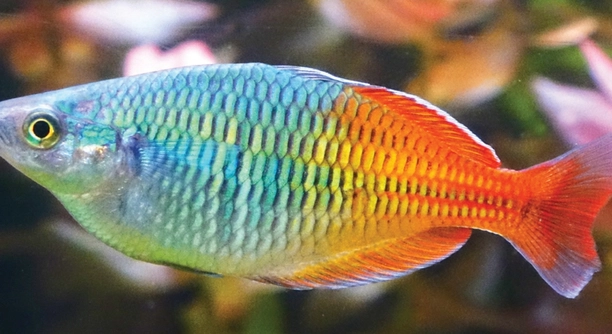
Rainbow fish are known for their vibrant colors and playful nature. However, they can also display a variety of reactions when they are surprised. These responses provide insight into their behavior and help us better understand these aquatic creatures.
When surprised, rainbow fish exhibit several distinct reactions, including darting away, changing their body posture, or becoming temporarily motionless. These behaviors are often linked to their instincts of self-protection or a response to sudden environmental changes.
Observing these reactions can reveal much about how rainbow fish interact with their surroundings and manage unexpected situations. Understanding these behaviors helps ensure they remain happy and healthy in their aquatic environments.
Sudden Movements and Quick Escapes
Rainbow fish are quick to react to sudden changes in their environment, often darting away in an instant. This behavior is a reflex that helps them avoid potential threats. When startled, they may swim rapidly in any direction, seeking safety in the plants or hiding spots of their habitat. These swift movements are common, and they are meant to keep them safe from predators.
In most cases, these sudden movements are nothing to worry about, as they are simply a part of the fish’s natural instinct to escape danger. However, it’s important to ensure that your tank is set up in a way that minimizes stress factors, such as loud noises or fast movements near the tank.
If your rainbow fish seem startled more often than usual, it could be a sign that something in their environment is causing unnecessary stress. It might be the presence of a new fish, or perhaps the lighting is too bright. Keeping their environment stable is key to reducing these startled reactions.
Body Posture Changes
Another common reaction rainbow fish show when surprised is a change in their body posture. When startled, they may flatten themselves or curl slightly. This can be a defensive mechanism to make them appear less noticeable. The fish’s posture helps them blend in with their surroundings or take a defensive stance when facing an unknown situation.
This change in posture is usually temporary, and the fish returns to its normal position once the threat has passed. While this might seem like an odd behavior, it’s simply a way for the fish to protect itself in uncertain situations.
Freezing in Place
Rainbow fish sometimes freeze when they are surprised. This sudden stillness is often a way for them to assess their surroundings. When startled, the fish may momentarily stop swimming, hoping that by staying still, they can avoid drawing attention to themselves.
The freezing behavior is quite common when a fish perceives a threat, such as a shadow or unfamiliar movement. It gives them a brief moment to evaluate whether they are in danger or if the situation is safe enough to resume swimming. This response can sometimes last just a few seconds but is enough to allow the fish to plan its next move.
This behavior can also be observed if something in their tank changes unexpectedly, like new tank decorations or a shift in the water’s temperature. Ensuring that your fish’s environment remains steady helps reduce these instances, keeping the fish more relaxed and less likely to freeze in place.
Hiding or Seeking Shelter
Hiding is another reaction rainbow fish may have when they are surprised. They often seek shelter among plants, rocks, or decorations. This behavior is a natural response when they feel insecure or threatened.
When startled, rainbow fish might swim to the nearest hiding spot. They may seek shelter until they feel the threat has passed or when they sense that it’s safe again. This behavior helps them feel secure while they wait for things to calm down. It’s a typical defensive strategy in the animal kingdom.
To minimize stress, ensure your tank is equipped with enough hiding places. Plants, caves, or decorations can provide the rainbow fish with safe spots to retreat to. By offering them these hiding places, you help reduce their anxiety when something unexpected occurs.
Flashing Bright Colors
Rainbow fish may flash their bright colors when surprised, which can serve as both a warning and a display of alertness. This sudden color change is an instinctual response to help deter potential threats.
The colors may become more vivid as a way of signaling aggression or drawing attention to themselves. This reaction can also occur if they are startled by a sudden movement or by other fish invading their territory. It’s part of their communication strategy to avoid or confront danger.
This color change is typically brief, and the fish will return to its usual coloration once the immediate threat or stressor has passed.
Increased Swimming Speed
When startled, rainbow fish may swim faster than usual. They may dart around the tank to escape or assess the situation quickly. The quick movements are meant to help them react to threats.
Increased swimming speed is a natural response that allows them to navigate through the water swiftly. By swimming faster, they can reach a safe place more quickly or avoid potential dangers that might be lurking nearby. This heightened speed is usually short-lived and fades once the fish feels secure again.
Aggressive Posture Toward Other Fish
If the surprise comes from another fish, rainbow fish may show an aggressive posture. They might flare their fins or show defensive behaviors to assert dominance. This is especially true in cases where there is competition for space or food.
The aggressive stance is an attempt to warn off other fish and claim territory. Rainbow fish are generally peaceful, but they can become more assertive when they feel threatened by others. This behavior is often temporary and fades once the tension between the fish eases.
Providing ample space and hiding spots for your rainbow fish can help minimize these aggressive reactions, ensuring a more peaceful tank environment.
FAQ
How can I reduce the amount of stress that causes my rainbow fish to react?
Reducing stress for your rainbow fish is key to keeping them healthy and calm. One of the most effective ways to do this is by maintaining a stable environment. Regular water changes, monitoring the water temperature, and keeping the tank free from excessive noise or sudden movements can help reduce anxiety in the fish. Avoid placing the tank in high-traffic areas or where there’s constant activity nearby. Additionally, ensure that the tank has plenty of hiding spots and decorations so your fish can feel secure. Proper diet and tank mates also play a role in their overall stress levels.
Do rainbow fish always react to sudden movements?
Not always. While rainbow fish are generally sensitive to changes in their environment, not all sudden movements will cause them to react. Their response can vary depending on how familiar they are with the situation or if the movement seems threatening. For example, if you’re cleaning the tank or rearranging decorations, they may not react as strongly if they are used to you. However, unfamiliar movements or fast, unpredictable ones will likely startle them. Getting them accustomed to regular activity can help minimize their surprise reactions.
Is it normal for rainbow fish to hide often?
Yes, hiding is a natural behavior for rainbow fish, especially when they are surprised or feel threatened. It’s important to provide hiding spots, such as plants, rocks, or aquarium caves, to give them a sense of security. If the fish are constantly hiding, it could indicate that they feel stressed or uncomfortable in their environment. Check the water quality, temperature, and lighting, as poor conditions could lead to increased hiding behavior. However, if they are hiding occasionally and otherwise behaving normally, it’s simply part of their instinct to seek shelter when feeling insecure.
Why do rainbow fish flash their colors?
Rainbow fish flash their bright colors when they are startled, excited, or in response to other fish. This sudden change in coloration can be a form of communication or a defense mechanism. In the wild, brighter colors may signal aggression, warn predators, or attract mates. In the aquarium, it could indicate the fish feels threatened or is reacting to a new environment. The flash of colors is usually brief, and once the perceived threat has passed, they return to their normal colors. It’s a natural reaction to sudden changes or stimuli around them.
How can I tell if my rainbow fish is stressed?
Signs of stress in rainbow fish include abnormal swimming behavior, such as darting or erratic movements. They may also spend a lot of time hiding or become unusually still. Stress can also manifest as changes in eating habits or visible damage to their fins. If the fish are frequently flashing colors, becoming aggressive toward tank mates, or displaying other signs of distress, it may be time to assess their environment. Check the water parameters, such as temperature, pH, and ammonia levels, and ensure they are within the ideal range for rainbow fish.
What should I do if my rainbow fish keeps freezing in place?
If your rainbow fish is freezing in place frequently, it could be a sign of stress or fear. It’s important to check for potential stressors in the tank, such as sudden changes in water temperature, aggressive tank mates, or loud noises. Ensure that the tank environment is stable, with consistent lighting, temperature, and filtration. If the freezing behavior continues, monitor their activity closely. Providing more hiding spaces, reducing tank disturbances, and maintaining a calm environment can help prevent this behavior. If it persists, consider consulting with an aquarium expert for additional advice.
Can rainbow fish adapt to new tank mates?
Rainbow fish are generally peaceful, but they can take some time to adapt to new tank mates. Introducing new fish gradually can help ease this transition. It’s important to ensure that new fish are compatible with rainbow fish in terms of temperament and size. Some aggression may occur at first as they establish their territories, but this typically settles down once they adjust. Keeping the tank well-planted or providing plenty of hiding spots can help reduce tension during the adjustment period. Gradually adding new tank mates over time can also help minimize stress for the rainbow fish.
How can I help my rainbow fish feel more secure in the tank?
To make your rainbow fish feel more secure, provide a well-planted tank with plenty of hiding spots. Use decorations, caves, and plants to create a varied environment that offers refuge when needed. Maintaining a stable water environment with regular water changes, proper filtration, and monitoring of water parameters will also help ensure your fish feel comfortable. Avoid overcrowding the tank, as this can increase stress and lead to territorial behavior. Additionally, avoid sudden changes in the environment and be mindful of noise or movements around the tank. A calm and stable environment is key to making them feel secure.
Are there any signs that my rainbow fish is getting too stressed?
Yes, there are several signs to look for that indicate your rainbow fish may be too stressed. These include frequent hiding, erratic swimming patterns, lack of appetite, or aggression toward tank mates. The fish may also appear to be breathing more rapidly or show unusual behaviors like darting or freezing. If the fish’s colors are fading or they are rubbing against tank surfaces, this could be a sign of stress or illness. Monitoring water quality and ensuring that the tank environment is suitable can help alleviate these symptoms.
Final Thoughts
Rainbow fish are fascinating creatures that offer us a glimpse into the natural behavior of aquatic life. Their reactions to being surprised, such as darting away, freezing, or flashing bright colors, are all part of their instinctual survival mechanisms. These behaviors help them protect themselves from potential threats and allow them to adapt quickly to sudden changes in their environment. Understanding how rainbow fish react when startled can help us provide a more suitable environment for them, reducing their stress and enhancing their overall well-being.
Maintaining a peaceful and stable tank is essential to minimize stress in rainbow fish. By ensuring the water quality is just right, providing plenty of hiding spots, and avoiding sudden movements around the tank, you can help your fish feel secure. Stress from environmental changes can lead to behaviors like excessive hiding, freezing, or aggressive posturing, all of which are signs that something in their habitat might need adjusting. Offering a comfortable and consistent space where they can thrive will ensure that your rainbow fish live long, healthy lives.
It’s also important to remember that while rainbow fish can be sensitive to changes, they are adaptable creatures. Over time, with proper care, they can become more accustomed to their environment, leading to fewer startled reactions. Watching your fish react to their surroundings can be a learning experience, as it reveals the ways in which they interact with each other and their habitat. By paying attention to these behaviors, we can better understand their needs and ensure that they have a happy and stress-free life in our aquariums.

Hello,
If you enjoy the content that we create, please consider saying a "Thank You!" by leaving a tip.
Every little bit helps us continue crafting quality advice that supports the health, happiness, and well-being of pets around the world, for pets of all shapes, sizes, and species.
We really appreciate the kindness and support that you show us!