
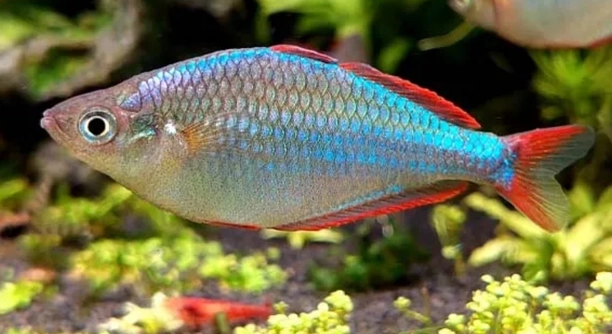
Rainbow fish are known for their beautiful colors and unique behaviors. One such behavior is their tendency to hover above certain rocks in their environment. This behavior raises curiosity among aquarium enthusiasts and researchers alike.
The hovering behavior of rainbow fish is primarily a result of their need for rest and security. Rocks in their habitat offer shelter and a stable surface, providing the fish with a place to relax and reduce stress.
Understanding why rainbow fish prefer specific rocks helps ensure a healthy and comfortable environment for these fascinating creatures.
Why Do Rainbow Fish Hover Above Rocks?
Rainbow fish are naturally drawn to rocks in their habitat. These rocks provide stability and shelter, offering the fish a sense of security. By hovering above them, rainbow fish avoid feeling exposed and find a safe place to rest. This behavior also helps them regulate their movement. Hovering near rocks allows them to remain close to a secure area, giving them an easy escape if needed. The fish may also be attracted to the way rocks disrupt the water flow, which can create a more comfortable environment. Understanding this behavior is essential for aquarium owners who want to create a more natural, stress-free habitat for their fish.
Some rainbow fish may also exhibit this hovering behavior during feeding times. Rocks often disrupt the water flow, causing food to gather around them. This natural food source encourages the fish to linger in these areas, further explaining their hovering behavior.
Providing your rainbow fish with rocks in the aquarium can enhance their well-being. It mimics the natural conditions they thrive in and offers both shelter and stability, reducing their stress. When rainbow fish feel secure, they exhibit healthier behavior and are less likely to hide for long periods. Incorporating rocks into their habitat also offers an easy way to replicate their natural environment.
How Do Rocks Affect Rainbow Fish Behavior?
Rocks play a vital role in shaping rainbow fish behavior. They not only provide shelter but also affect the fish’s social interactions. Fish that feel secure are less likely to display signs of aggression or stress.
Why Rainbow Fish Hover Above Rocks
Rainbow fish hover near rocks due to their natural instincts for security and comfort. The rocks provide a stable surface that helps reduce stress. Hovering above them also gives the fish the chance to hide if needed, offering both physical and emotional protection in their environment.
These fish often prefer hovering near rocks because the structures disrupt water flow, making it easier for them to catch food. The rocks create pockets where small particles and food gather, and the fish can access them with minimal effort. This behavior allows them to maintain their energy while staying safe.
Rocks also have a calming effect on rainbow fish. The hovering behavior is partly linked to the fish’s need for rest, as rocks provide a spot to settle and find peace. In a tank, these rocks help create a more comfortable space, leading to healthier, happier fish. It’s crucial for aquarium owners to provide ample rocks for these fish to thrive.
Benefits of Rocks for Rainbow Fish
Rocks offer more than just shelter for rainbow fish. They can also play a significant role in maintaining water quality. When used in an aquarium, rocks can act as natural filters by promoting beneficial bacteria growth. These bacteria help break down waste and improve the overall health of the tank environment.
Including rocks in an aquarium setup creates more than just a pleasing aesthetic. The natural surfaces allow rainbow fish to engage in more natural behaviors. The fish can interact with the rocks, using them for resting, hiding, or navigating through the tank. These rocks also help to mimic the natural conditions found in the wild, where the fish are accustomed to hovering above surfaces. By replicating these conditions in an aquarium, rainbow fish are less likely to experience stress or health issues.
How Rocks Help Rainbow Fish Stay Calm
Rocks offer rainbow fish a secure environment, reducing stress. The natural shapes and textures create hiding places, allowing them to feel protected. This calming effect helps the fish relax, promoting healthier behavior and more consistent activity levels.
The security provided by rocks helps to prevent aggression. Without places to hide, rainbow fish may become more territorial or stressed. By offering multiple hiding spots, you ensure that each fish has a space to retreat to, preventing conflicts and encouraging peaceful interactions within the tank.
Impact of Rock Placement on Fish Behavior
Proper rock placement can significantly influence rainbow fish behavior. When rocks are positioned to disrupt water flow, they help create areas where fish can feed comfortably. It’s essential to arrange the rocks in a way that offers shelter while maintaining good water circulation to avoid stagnant areas.
Types of Rocks for Rainbow Fish Tanks
Different types of rocks serve various purposes in the aquarium. Some rocks, like lava rock, provide porous surfaces for beneficial bacteria, which aid in filtration. Other rocks, such as smooth river stones, can be used to create hiding spots for the fish, encouraging natural resting behaviors.
FAQ
Why do rainbow fish prefer to hover above rocks?
Rainbow fish hover above rocks because these structures offer both shelter and security. The rocks provide a stable surface, giving the fish a place to rest while minimizing exposure to predators. This behavior helps them feel safe and reduces stress, which is vital for their overall health.
Can I use any type of rock in my aquarium for rainbow fish?
Not all rocks are suitable for aquarium use. It’s important to choose rocks that are aquarium-safe, meaning they won’t affect the water chemistry. Rocks like lava rock, slate, and river stones are often good choices. Avoid rocks that may release harmful substances, like limestone, which can alter the water’s pH.
How do rocks affect the water flow in an aquarium?
Rocks can disrupt water flow, creating small pockets where debris and food collect. This can be beneficial, as rainbow fish may find these areas a good place to feed. However, it’s important to arrange the rocks to ensure proper circulation to prevent areas of stagnant water, which could harm the tank’s environment.
Are rainbow fish territorial?
Rainbow fish can be territorial, especially in smaller tanks. Providing plenty of rocks and hiding spots helps reduce aggression by giving each fish its own space. In larger tanks, rainbow fish are less likely to be territorial because they have more room to swim and hide.
How often should I clean the rocks in my aquarium?
Rocks in the aquarium should be cleaned regularly to prevent the buildup of waste or algae. A gentle scrub with a soft brush once every few weeks is sufficient, but avoid using harsh chemicals. Cleaning the rocks helps maintain a healthy environment for your rainbow fish by preventing water quality issues.
Can I stack rocks to create hiding spots?
Stacking rocks can create natural hiding spots for rainbow fish, but it’s important to ensure the stack is stable. Fish may feel stressed if they don’t have secure places to hide. Make sure the rocks are securely placed so they won’t collapse. This setup mimics their natural environment, making them feel safer.
What other tank decorations can I use for rainbow fish?
Besides rocks, you can use plants, driftwood, and caves to create a natural environment. Live plants like Anubias or Java fern can provide shelter, while driftwood offers another structure for the fish to navigate around. Make sure decorations are safe for aquarium use and do not affect water quality.
Do rainbow fish need rocks to thrive in an aquarium?
While rocks aren’t strictly necessary, they are highly beneficial. Rocks help replicate the natural environment of rainbow fish, providing both physical and emotional support. If you want to promote natural behaviors, reduce stress, and provide security, rocks are an excellent addition to your tank.
Can rainbow fish live with other species in a tank with rocks?
Rainbow fish are generally peaceful and can live with a variety of other species, especially if there are enough hiding spots provided by the rocks. It’s essential to ensure the other fish species are compatible and that there’s enough space for all the fish to feel comfortable. Rocks help reduce aggression by giving each fish a place to call its own.
How do I create a balanced rock environment for my rainbow fish?
To create a balanced rock environment, place the rocks in a way that allows for plenty of open swimming space while providing shelter. Avoid overcrowding the tank with rocks. Ensure there is adequate water circulation to prevent stagnant areas, and make sure the rocks are stable to avoid accidents.
Can I use rock decorations with sharp edges in my tank?
Avoid using rocks with sharp edges, as they could injure your rainbow fish. Choose smooth, rounded rocks instead, which will provide the necessary shelter without posing a risk to the fish. Sharp edges can cause stress and physical harm to the fish, especially when they are swimming or resting near them.
Final Thoughts
Providing rainbow fish with rocks in their aquarium creates a more natural and comfortable environment. The rocks offer not only shelter but also a sense of security, helping to reduce stress and promote healthier behaviors. These fish are naturally drawn to stable surfaces that allow them to rest while still feeling protected. The presence of rocks mimics their natural habitat, where they seek shelter and calmness, allowing them to thrive in a tank environment. Without these structures, rainbow fish may become more anxious or even exhibit signs of aggression due to feeling exposed.
Rocks also play a role in water quality by providing surfaces for beneficial bacteria to grow. These bacteria help break down waste and keep the water clean. When selecting rocks for an aquarium, it’s important to choose materials that are safe and won’t alter the water’s chemistry. Rocks like lava rock, slate, or smooth river stones are great options. They should also be placed in a way that allows for proper water circulation, preventing stagnant areas that could harm the fish. A well-balanced rock arrangement encourages both natural behavior and a healthier environment for your rainbow fish.
Lastly, while rocks are a helpful addition to a rainbow fish tank, they are not the only factor in creating a suitable environment. Tank size, water parameters, and the overall setup also contribute to the fish’s well-being. Rainbow fish thrive in tanks that are large enough to allow movement and provide plenty of hiding spots. Rocks, when used correctly, enhance their living space, but other elements like plants and water conditions are equally important. By considering all aspects of the tank environment, you can ensure that your rainbow fish have a comfortable and safe home where they can flourish.

Hello,
If you enjoy the content that we create, please consider saying a "Thank You!" by leaving a tip.
Every little bit helps us continue crafting quality advice that supports the health, happiness, and well-being of pets around the world, for pets of all shapes, sizes, and species.
We really appreciate the kindness and support that you show us!