
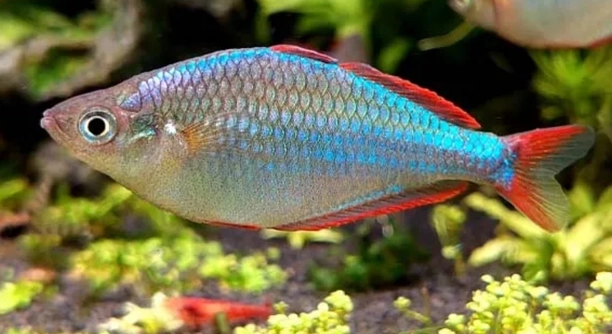
After rearranging your tank, observing your aquatic pets is crucial. Changes in their environment can lead to shifts in behavior, feeding habits, and overall comfort. Monitoring their reactions ensures their well-being post-rearrangement.
It is essential to watch for signs of stress or discomfort in your aquatic pets after rearranging their tank. This includes changes in swimming patterns, hiding behavior, or alterations in appetite. These factors can indicate that further adjustments are necessary.
Keeping an eye on these behaviors will help you maintain a peaceful and healthy environment for your pets.
Changes in Behavior After Tank Rearrangement
When you rearrange a tank, it’s not uncommon for your pets to react in ways that signal stress. They might retreat to corners, swim aimlessly, or even avoid their favorite spots. These changes can happen because your aquatic pets are adjusting to a new layout. Fish and other tank dwellers rely on familiar surroundings for safety and comfort. Their behavior can shift, especially if there are sudden changes in their space. It’s important to keep an eye on how they act for a few days after the tank has been rearranged.
If they show signs of stress, consider making minor adjustments to the layout. For example, repositioning plants or hiding spots can provide them with a more comfortable space. Watching your pets closely will allow you to identify if there are any further changes needed.
Tank rearrangements often cause temporary changes in behavior, but most pets will adapt over time. With patience, the tank will return to its usual calm once they become accustomed to their new environment.
Monitor Feeding Habits
Feeding habits may shift after tank changes. Your pets might eat less or show disinterest in their food for a brief period.
This can occur due to the stress of the new environment. Your pets may need time to feel comfortable enough to eat regularly again. In the meantime, monitor how much they’re eating. If the problem persists for more than a few days, it might be worth adjusting the tank’s setup or reducing the number of distractions. In some cases, changing the feeding routine can help. For instance, offering food at different times or in different locations may encourage them to eat.
Monitor Hiding Behavior
After rearranging the tank, you may notice your pets spending more time hiding than usual. This can be a sign of discomfort or confusion. They may feel vulnerable in unfamiliar surroundings, so providing extra hiding spots can help them feel secure.
If hiding behavior continues, ensure that your tank setup offers a balance of open space and secluded areas. Adding more plants or decorations can give them options. Monitor how they use these spaces over time. If hiding persists, it could be helpful to adjust the layout or provide a sense of stability by adding back familiar features.
Pets often use hiding spaces as a way to cope with stress. It’s essential to give them time to adjust, but also to make sure the environment isn’t too overwhelming. Changes in the layout can disorient them, and it’s natural for them to seek safety. A more natural layout with appropriate hiding spots will provide the balance they need to feel comfortable.
Adjusting to Tank Changes
Your pets may need time to adjust to their new tank arrangement. Some species take longer than others to feel comfortable in unfamiliar spaces. Be patient as they acclimate.
If there’s no improvement in behavior after several days, assess whether the tank’s setup is too disruptive. Sometimes even small changes, like a new filter or decoration, can cause stress. It might help to simplify the layout by removing any non-essential items temporarily. Reducing the number of changes could allow them to adjust more easily to the new environment. After a few days, gradually reintroduce changes to avoid overwhelming them.
Watching their reactions will help you understand if they’re getting back to normal or if further changes are needed.
Check Water Quality
After rearranging the tank, it’s important to check the water quality. Changes in decorations or tank setup can sometimes disrupt filtration, affecting water conditions. Always ensure the water parameters are within the safe range for your pets.
Test for common water issues like pH, ammonia, and nitrites. These can fluctuate with any significant changes in the tank. If you notice any irregularities, take immediate action. Water changes may be needed to maintain the environment. Monitoring water quality regularly after rearranging ensures your pets stay in a healthy space.
Tank Lighting
Lighting might also affect your pets’ behavior after tank rearrangement. Bright lights can be stressful, while low light may make them feel safe but disoriented. Find a balance.
Proper lighting is essential for both plant growth and the well-being of your pets. Too much light can cause stress, while too little light can lead to lethargy. Observe how your pets respond and adjust accordingly. If they’re constantly hiding or seem inactive, try lowering the light intensity or adjusting the light cycle.
Tank Temperature
Ensure the temperature is consistent after rearranging the tank. A sudden change can be harmful, causing stress or health issues. Keep it within the species’ preferred range.
FAQ
Why is my pet hiding more after I rearranged the tank?
Pets tend to hide when they feel stressed or insecure. After a tank rearrangement, they may need time to adjust to the new environment. This is common as they may feel vulnerable in unfamiliar spaces. Adding more hiding spots or reintroducing familiar items can help them feel more comfortable.
How long does it take for my pet to adjust to a tank rearrangement?
Adjustment time varies depending on the species and the extent of the change. Some pets will adjust within a few hours, while others may take several days. Keep an eye on their behavior and offer support by ensuring their environment is not too overwhelming. It’s best to be patient during this period.
Is it normal for my pet to eat less after rearranging the tank?
Yes, it is normal. Stress from the rearrangement can cause a temporary decrease in appetite. If your pet is eating less, don’t panic. Allow them a few days to acclimate to their new surroundings. If the lack of appetite persists, check the water quality and temperature for any issues that may be affecting their behavior.
Should I remove decorations if my pet is still hiding?
It might help. If your pet is still hiding after a few days, try removing some decorations or rearranging them slightly. Too many hiding spots can sometimes overwhelm them. You can add them back slowly once they’re more settled in their new environment.
How can I reduce stress after rearranging the tank?
Start by ensuring the tank is set up with enough hiding spots and areas of calm. Avoid sudden changes after the rearrangement, such as changing water temperature or lighting. Keep the tank as stable as possible while giving your pet time to adjust. Also, try to maintain a regular feeding schedule.
What if my pet continues to act stressed after a week?
If your pet is still showing signs of stress after a week, it may be a sign that something else in the tank is affecting them. Check the water quality, temperature, and lighting. You might also want to consider adjusting the layout again or returning familiar decorations to help them feel safe.
Can rearranging the tank cause illness in my pets?
In most cases, rearranging the tank itself won’t directly cause illness. However, stress from the changes can weaken your pet’s immune system, making them more susceptible to illness. It’s important to monitor your pet’s behavior closely and ensure that the water quality and temperature remain stable during this period.
How do I know if my pet is adjusting well to the tank?
Watch for signs like increased activity, eating regularly, and exploring the new layout. If your pet begins to swim more freely and interact with their environment again, it’s a good sign they are adjusting. If they’re still hiding or avoiding food, they may need more time.
Can rearranging the tank affect the tank’s ecosystem?
Yes, rearranging the tank can temporarily affect the ecosystem. Moving plants or decorations can disrupt filtration, leading to changes in water parameters. It’s important to test the water after rearranging the tank and make adjustments as needed to maintain a healthy environment.
Is it necessary to do water changes after rearranging the tank?
It can be helpful, especially if the rearrangement involved moving a lot of the substrate or decorations. This can stir up debris and affect water quality. Doing a partial water change can help stabilize the tank and ensure that your pets are in the healthiest environment possible.
Should I stop feeding my pet during the adjustment period?
No, you should continue feeding your pet during the adjustment period. It’s important to keep a regular feeding routine, even if they seem disinterested at first. If your pet isn’t eating, try adjusting the type or location of food to make it more appealing.
Final Thoughts
Rearranging a tank can be a simple way to refresh the environment for your pets, but it does come with some challenges. It’s normal for pets to feel stressed or disoriented after changes to their surroundings. They rely on familiar structures to feel safe, and moving things around can cause temporary discomfort. During this time, it’s essential to monitor their behavior and ensure the tank environment is still suitable for their needs.
One key factor to consider is patience. Just like any change, it may take a little time for your pets to adjust. Some pets will adapt quickly, while others may take longer. Offering plenty of hiding spots and checking the water quality can help make the transition smoother. It’s also important to avoid making additional changes while they are still adjusting. Too much change too quickly can worsen stress and prolong the adjustment period. Giving them time to settle into their new environment can ensure their well-being and comfort in the long run.
Ultimately, keeping a close eye on their health and behavior will guide you through the adjustment process. If you notice signs of stress lasting more than a week, it may be worth reassessing the tank setup or making minor changes to better suit their needs. With time, most pets will adjust to their new environment, and you’ll see them return to their normal behavior. By being patient and attentive, you can help ensure that your pets thrive in their newly arranged tank.

Hello,
If you enjoy the content that we create, please consider saying a "Thank You!" by leaving a tip.
Every little bit helps us continue crafting quality advice that supports the health, happiness, and well-being of pets around the world, for pets of all shapes, sizes, and species.
We really appreciate the kindness and support that you show us!