
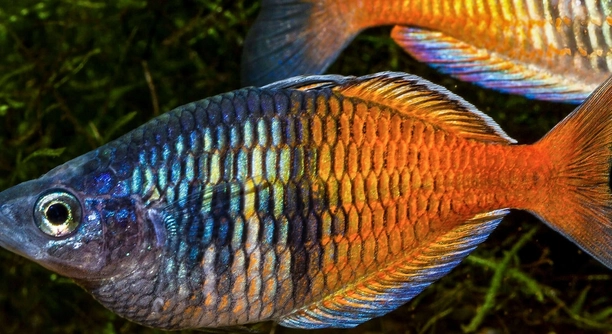
Rainbow fish are known for their vibrant colors, but even these lively creatures can show signs of illness. Understanding the early warning signs can help maintain their health and ensure they stay active and colorful in your aquarium.
Common early signs that your rainbow fish may be getting sick include changes in behavior, loss of appetite, and abnormal swimming patterns. Observing these indicators closely can prevent more severe health issues and help keep your fish in optimal condition.
Recognizing these signs early on allows for prompt treatment and can prevent further complications, ensuring your rainbow fish remain healthy and vibrant.
Changes in Behavior
Rainbow fish are active and social creatures, so any sudden shift in their behavior can be a warning sign of illness. If your fish become lethargic or start swimming erratically, it’s time to pay closer attention. This could be a response to water quality issues, stress, or an underlying disease. A healthy rainbow fish should swim steadily and interact with other fish in the tank. A sudden decrease in activity could indicate problems that require immediate action.
When your rainbow fish begins to behave unusually, check the water parameters immediately. Incorrect temperature, pH, or high ammonia levels could be the cause. Stress from overcrowding or new tank mates might also trigger behavioral changes. Addressing the water conditions or ensuring a peaceful tank environment can restore the fish’s usual behavior.
Ignoring these signs can lead to worsening health issues, as the fish may stop eating or become more susceptible to diseases. A prompt response, such as water changes and removing stressors, will help keep your fish in good condition.
Loss of Appetite
Rainbow fish are usually eager eaters. If they stop eating or show little interest in food, it’s a clear signal to investigate further. Their refusal to eat can stem from stress, illness, or poor water quality.
A drop in appetite can be a major concern. Illnesses like parasites, bacterial infections, or even something as simple as water temperature fluctuations can make your fish lose interest in feeding. It’s essential to act quickly if this happens to prevent further health decline.
A persistent loss of appetite can lead to nutritional deficiencies and a weakened immune system. Maintaining proper water quality and ensuring a balanced diet can help prevent these issues from affecting your rainbow fish.
Abnormal Swimming Patterns
Rainbow fish are known for their graceful swimming, so if you notice unusual swimming behavior, something might be wrong. This could include swimming in circles, rubbing against objects, or staying near the surface. Abnormal movements can point to stress, parasites, or internal infections.
If you observe your fish swimming erratically, it’s important to check the water conditions immediately. Poor water quality is a common cause of stress, leading to strange swimming patterns. Ensure the temperature, pH, and ammonia levels are in check. If the water is fine, consider the possibility of parasites or an injury that could affect their movement.
Long-term abnormal swimming patterns can weaken your fish and may lead to more serious health issues. Isolating the sick fish and providing treatment can stop the issue from spreading to other fish in the tank. Keep a close eye on their behavior for any further signs of trouble.
Skin Changes
Changes in the skin of your rainbow fish are often an early indicator of health problems. Look for any discoloration, lesions, or unusual patches on their scales. These signs can result from stress, infection, or poor water quality. Healthy fish should have clear, vibrant skin.
If you notice any marks or fading colors, it’s crucial to act quickly. Bacterial and fungal infections can cause skin problems, as can poor water quality. Examine the water parameters and perform a water change if necessary. Any infected fish should be isolated from the rest of the tank to avoid spreading the infection.
Skin changes can worsen if left untreated, leading to ulcers or other complications. By addressing the water quality and treating any potential infections, you can improve the health of your rainbow fish and restore their appearance. Keeping the environment clean and stress-free is key to preventing skin issues.
Breathing Difficulties
If your rainbow fish starts to breathe rapidly or seems to be gasping for air, it’s a sign something is wrong. This could be caused by poor water quality, high ammonia levels, or gill parasites. Keep an eye on their breathing patterns and act quickly.
Rapid or labored breathing is a critical sign that your fish may be struggling with oxygen levels or toxins in the water. Check for any issues with the filtration system, and if necessary, increase aeration in the tank. Additionally, testing for ammonia or nitrite spikes can help identify water quality problems.
Ignoring these signs can lead to more severe respiratory issues, so immediate intervention is important to prevent stress and potential harm to your fish.
Faded Colors
Rainbow fish are known for their vibrant, bright colors. If you notice them losing their luster or turning pale, it’s often a sign of stress, poor nutrition, or illness. Keeping the tank clean and stress-free can help prevent this.
Faded colors could indicate nutritional deficiencies or poor water quality. A proper diet with varied nutrients and vitamins can help maintain your fish’s vibrant appearance. Check the tank’s environment to rule out any issues like high ammonia levels or overcrowding that could be affecting their health.
Cloudy Eyes
Cloudy eyes in rainbow fish are a warning sign that should not be ignored. This condition is often associated with water quality issues, infection, or injury. Ensure the water is properly filtered and clean.
Cloudy eyes can indicate a bacterial infection, often caused by poor water conditions. Regular water changes, along with proper filtration, can prevent such issues. If an infection is present, treating it promptly can help prevent further damage to your fish’s vision and overall health.
FAQ
What causes rainbow fish to get sick?
Rainbow fish can get sick for several reasons, including poor water quality, stress, inadequate nutrition, or the introduction of pathogens such as bacteria or parasites. Fluctuations in water temperature, high ammonia levels, and poor filtration can weaken their immune systems, making them more susceptible to illness. Stress from overcrowding, incompatible tank mates, or sudden changes in their environment can also cause health issues. Keeping the tank environment stable and clean is crucial for preventing disease.
How can I prevent my rainbow fish from getting sick?
Maintaining good water quality is the most important step in preventing sickness. Regular water changes, proper filtration, and monitoring parameters like pH, temperature, and ammonia levels are key. Providing a balanced diet and avoiding overfeeding also help keep your fish healthy. Additionally, avoid overcrowding and introduce new tank mates slowly to reduce stress. Quarantining new fish for at least two weeks before adding them to the tank can prevent the introduction of diseases. Keeping the tank clean and well-maintained will also reduce the risk of illness.
How often should I change the water in my rainbow fish tank?
Water changes should be done regularly to keep the tank environment healthy. A 20-25% water change every two weeks is typically recommended for most freshwater tanks. However, if the tank has a higher bioload (more fish or plants), you may need to change the water more often. Always test water parameters before performing changes to ensure they are within the safe range for your rainbow fish. Freshwater changes help remove toxins and replenish essential minerals, maintaining optimal conditions for your fish.
What should I feed my rainbow fish?
Rainbow fish require a varied diet to stay healthy. A mix of high-quality flake or pellet food, along with live or frozen foods such as brine shrimp, daphnia, or bloodworms, is ideal. Including plant-based foods, like spirulina or algae tablets, ensures they receive essential nutrients. It’s important to avoid overfeeding, as uneaten food can degrade water quality. A balanced diet promotes vibrant colors, strong immune systems, and overall health. Feed them small amounts two to three times a day, adjusting based on their appetite.
How can I tell if my rainbow fish is stressed?
Stressed rainbow fish often exhibit abnormal behavior, such as erratic swimming, hiding, or excessive swimming near the surface. Other signs of stress include faded colors, loss of appetite, or aggression toward other fish. Stress can be caused by poor water conditions, overcrowding, or incompatible tank mates. It’s important to identify and eliminate the source of stress to restore your fish’s health. Make sure the tank has appropriate hiding spots, stable water parameters, and enough space for each fish to thrive.
What should I do if my rainbow fish stops eating?
If your rainbow fish stops eating, it could be a sign of stress, illness, or water quality issues. First, check the water parameters and make sure the temperature, pH, and ammonia levels are within safe ranges. If the water is fine, consider isolating the sick fish to observe its behavior. Stress from new tank mates or changes in the environment can also cause a loss of appetite. If the fish shows other signs of illness, such as abnormal swimming or skin changes, you may need to treat it with medication or adjust the diet.
Can rainbow fish live with other species?
Rainbow fish are peaceful and generally get along well with most other species, as long as the tank is large enough and there are plenty of hiding spots. Avoid keeping them with aggressive or overly territorial fish. Species that thrive in similar water conditions, like tetras, rasboras, and livebearers, usually make good tank mates. Be mindful of the size and temperament of potential companions to ensure all fish coexist peacefully. Monitoring behavior after introducing new tank mates is crucial to prevent conflicts and stress.
Why is my rainbow fish swimming at the surface?
Rainbow fish swimming at the surface could be trying to access more oxygen or responding to poor water quality. If the oxygen levels are low, fish may seek the surface to breathe. Test the water for high ammonia, nitrites, or low oxygen levels, and adjust the filtration or increase aeration. Another possibility is that the fish is stressed or unwell. If the behavior persists, isolate the fish and check for any signs of illness, such as cloudy eyes or faded colors. Addressing water quality and stress can help resolve this behavior.
How do I treat sick rainbow fish?
Treating sick rainbow fish depends on the symptoms and underlying cause. If you notice unusual behavior, skin changes, or respiratory problems, start by isolating the sick fish to prevent the spread of disease. Test the water quality and make necessary adjustments. Depending on the illness, you may need to treat with medications, such as antibiotics for bacterial infections or anti-parasitic treatments for external parasites. Always follow the instructions on medication and avoid overmedicating. Regular water changes and maintaining a clean tank will support recovery and help prevent future issues.
Why are my rainbow fish’s colors fading?
Fading colors in rainbow fish can be a sign of stress, poor water conditions, or illness. Stress factors like overcrowding, incompatible tank mates, or environmental changes can cause the fish to lose their vibrant colors. Illnesses, such as bacterial or parasitic infections, can also affect pigmentation. If the colors fade, check the water parameters to ensure they are optimal, and address any stress factors in the tank. A varied, nutritious diet can also help improve their color vibrancy. Treating underlying health issues will restore their appearance.
Final Thoughts
Maintaining a healthy environment for rainbow fish is essential for their well-being. Keeping water quality in check is one of the most important steps to ensure their health. Regular water changes, proper filtration, and testing water parameters like pH, ammonia, and nitrate levels can help prevent many common issues. In addition to good water quality, providing a balanced diet with both plant-based and protein-rich foods supports your fish’s overall health and vibrant colors. This simple routine goes a long way in preventing stress, disease, and other complications.
While rainbow fish are generally hardy, early detection of health issues can make a big difference. Observing your fish’s behavior and physical condition regularly allows you to spot any early signs of illness, such as changes in swimming patterns, faded colors, or changes in appetite. If you notice these signs, it’s important to act quickly to address the underlying cause. Stress and illness can quickly take a toll on their health, so maintaining a stable environment and addressing problems early will help prevent more severe issues.
Finally, when it comes to caring for rainbow fish, patience and consistency are key. These fish thrive in stable environments where they are not subjected to rapid changes in water conditions or sudden stress. With proper care, rainbow fish can live healthy lives and continue to bring beauty and movement to your aquarium. Regular monitoring of their health, providing a balanced diet, and maintaining a clean, well-filtered tank will keep your fish vibrant and active for years to come.

Hello,
If you enjoy the content that we create, please consider saying a "Thank You!" by leaving a tip.
Every little bit helps us continue crafting quality advice that supports the health, happiness, and well-being of pets around the world, for pets of all shapes, sizes, and species.
We really appreciate the kindness and support that you show us!