
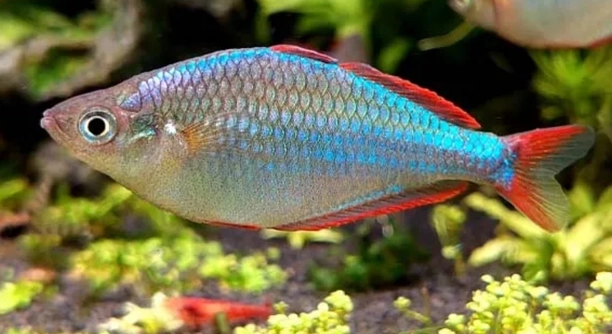
Rainbow fish are known for their vibrant colors and active behavior in aquariums. If you’ve ever wondered if these fish respond to feeding sounds, you’re not alone. This behavior is an interesting aspect of their learning process.
Rainbow fish can indeed learn to associate feeding sounds with the arrival of food. Through conditioning, they recognize these sounds as a signal that food is near, influencing their behavior and feeding habits. This learned response enhances feeding efficiency.
Understanding how rainbow fish connect sound to feeding can provide insights into their behavior. This information could be helpful for aquarium owners in managing feeding times effectively.
Understanding Rainbow Fish Behavior
Rainbow fish are naturally curious, and their behavior can be influenced by the environment around them. The sound associated with feeding, like tapping on the aquarium or shaking the food container, is often recognized by these fish. Over time, they start to associate these sounds with food, even before they see it. This learned response is a basic form of conditioning, where the fish anticipate food when they hear certain sounds. It’s a common behavior observed in many aquarium fish, not just rainbow fish. The association between sound and food allows the fish to adjust their behavior, such as swimming toward the surface when they hear feeding sounds.
Their ability to learn sounds can also be a sign of intelligence. Fish may not have the same brain structure as mammals, but their brains are capable of processing information and creating associations. This ability is often overlooked in aquarium care but should be considered when managing feeding routines. By understanding these patterns, you can create a better feeding schedule and improve the overall health of your fish.
Understanding how rainbow fish react to feeding sounds can lead to more efficient feeding practices. When fish learn to associate certain sounds with feeding, they become more responsive, improving the feeding process. Recognizing these patterns can help you enhance the aquarium experience and ensure the fish receive proper nutrition without stress.
Training Rainbow Fish to Respond to Feeding Sounds
Training rainbow fish to respond to feeding sounds is simple. Repeating the same sound before feeding can reinforce their association.
To begin, use consistent sounds like tapping or shaking the food container before feeding. Do this every time and give the fish a few moments to respond. After several repetitions, they will begin to associate the sound with food. Over time, they will swim toward the sound when they hear it, even before seeing the food. This method is effective because it builds a routine that the fish recognize. It also improves their overall behavior, making feeding time smoother and more predictable.
By using sounds regularly, you are helping rainbow fish adapt to their feeding schedule. This can prevent overfeeding or stress caused by irregular feeding times. If you’re consistent, the fish will begin to react more quickly and eagerly to the sound, making the feeding process more efficient.
Factors That Influence Learning
Rainbow fish are sensitive to environmental cues. The frequency of the feeding sound plays a significant role in how quickly they learn to associate it with food.
Repetition is key when it comes to training rainbow fish. The more frequently the sound is paired with feeding, the more likely the fish will respond. Over time, they will begin to swim toward the sound even without food being immediately visible. External factors like water temperature and stress levels can impact this process. In a calm, stable environment, the fish are more likely to make connections between the sound and food.
The sound should remain consistent in volume and pitch. Fish are more likely to recognize patterns when the sound is predictable. Variations in noise may confuse them, slowing down the learning process. When the association is clear and repeated, rainbow fish will adapt faster and develop a stronger response over time.
The Impact of Feeding Sound on Fish Behavior
Rainbow fish can learn feeding sounds quickly if they’re consistent. They begin to show anticipation when they hear the sound, leading to more efficient feeding behavior.
Feeding sounds are more than just a signal for food; they can trigger excitement in rainbow fish. When the fish hear a familiar sound associated with feeding, they will swim to the surface, displaying increased activity. This behavior helps fish prepare for food, improving digestion and overall feeding efficiency. As they associate the sound with nourishment, they become more active during feeding times.
This anticipation can also lead to healthier feeding habits. Rainbow fish, like many other species, benefit from structured feeding times. When they know when to expect food, they develop a routine that helps regulate their eating habits. This makes managing their diet easier and promotes their health.
Consistency in Feeding Times
Consistency is important for rainbow fish. Regular feeding schedules help them recognize the feeding sounds and respond appropriately.
When feeding times are consistent, rainbow fish can anticipate food at specific intervals. This makes them more responsive to the sound, reducing stress during feeding. Consistency builds a strong connection between the sound and food availability, making it easier to manage their diet.
A predictable feeding schedule is essential to keeping rainbow fish healthy. It allows them to adapt to feeding sounds and reduces confusion. With regular intervals, the fish will respond more quickly, helping to maintain a routine and minimize overfeeding or missed meals.
Benefits of a Feeding Routine
A set routine for feeding has multiple benefits. It improves the overall health of rainbow fish and creates a stable environment.
A feeding routine allows rainbow fish to develop good eating habits. They learn when to expect food, which reduces the chances of overfeeding or underfeeding. Consistent feeding times also encourage fish to recognize the feeding sound and increase their activity levels when it’s time to eat. The fish will be healthier, more responsive, and will have less stress around meal times.
Timing and Environment
The environment where rainbow fish live can affect how quickly they learn feeding sounds. Temperature, water clarity, and tank setup all play a role.
Fish in a clean, well-maintained environment are likely to adapt better to routine feeding sounds. If water quality is poor or the tank is overcrowded, stress levels rise, and the fish may not respond as effectively. Ensuring an optimal environment will help rainbow fish learn faster and enjoy feeding times.
FAQ
Do rainbow fish respond to feeding sounds in the wild?
In the wild, rainbow fish are less likely to associate specific sounds with food because they rely more on natural cues. The sound of food or feeding activity is not a regular part of their environment. However, they are highly responsive to vibrations and movements in the water, which may indicate the presence of food. Unlike aquarium environments, where feeding sounds can be used as a training tool, the wild offers more natural feeding cues, such as the presence of other fish or animals, which may trigger feeding behavior.
Can rainbow fish recognize different feeding sounds?
Rainbow fish can learn to recognize specific sounds associated with feeding. However, they are not likely to differentiate between complex sounds. The most effective sounds are simple and repetitive, such as tapping or shaking the food container. These sounds become strongly associated with the presence of food, and the fish learn to respond accordingly. While they may not distinguish between a variety of sounds, they can still develop a clear association with the feeding sound over time.
How long does it take for rainbow fish to learn feeding sounds?
It typically takes a few weeks for rainbow fish to begin associating specific sounds with feeding. The time it takes can vary based on factors like water temperature, tank setup, and the frequency of feeding. Consistency is key—if the same sound is repeated consistently before feeding, the fish will learn faster. Regular practice of the same sound, such as tapping or shaking the food container, will help the fish make the connection between the sound and the availability of food. Expect to see responses within a couple of weeks with regular training.
Can rainbow fish learn to associate human voices with food?
Rainbow fish may learn to associate human voices with feeding over time, but they are more likely to respond to sounds that directly relate to feeding. If a person consistently speaks in a certain tone or volume before feeding, the fish may start to associate that voice with food. However, the sound of food containers or water splashing is much more closely linked to feeding behavior. While human voices may not have the same immediate effect, rainbow fish can still make associations with consistent sounds related to feeding.
Does the size of the tank affect how rainbow fish learn feeding sounds?
Yes, the size of the tank can affect how quickly rainbow fish respond to feeding sounds. In a larger tank, sound may dissipate before it reaches the fish, making it harder for them to make the connection between the sound and food. Smaller tanks, on the other hand, allow the sound to travel more effectively, making it easier for the fish to learn. The sound needs to be clear and direct, and it may be more difficult for fish to recognize feeding cues in tanks with poor acoustics or excessive background noise.
Do rainbow fish need to hear the sound for every feeding session?
Rainbow fish do not need to hear the sound at every feeding session once they have learned the association. Over time, they will begin to respond to the sound even if it is not repeated every time. However, if the feeding sound is removed for extended periods, the fish may lose their association. To maintain the learned behavior, it’s best to keep feeding times consistent with the same sound. If you want to switch to another sound, it may take a few sessions for the fish to adapt to the new cue.
Can rainbow fish overeat if they respond too eagerly to feeding sounds?
Rainbow fish, like most fish, can overeat if they are fed too much, even if they respond eagerly to feeding sounds. Overfeeding can lead to water quality issues and health problems for the fish. It’s important to monitor the amount of food given and adjust the portions accordingly. The eagerness to feed does not mean the fish need more food. Regular feeding routines should include small amounts of food to prevent overeating while still allowing the fish to associate the sound with nourishment.
How can I prevent rainbow fish from becoming too dependent on feeding sounds?
Rainbow fish can develop a strong association with feeding sounds, but it’s important to avoid over-relying on them. To prevent dependency, it’s a good idea to occasionally change the feeding routine, such as altering the sound or varying the times when the food is introduced. Additionally, allow the fish to rely on natural feeding cues, such as the presence of other tank mates or the sight of food. By creating a more varied feeding experience, you can prevent the fish from becoming overly dependent on specific sounds.
Are rainbow fish the only type of fish that respond to feeding sounds?
No, rainbow fish are not the only type of fish that respond to feeding sounds. Many species of aquarium fish, such as goldfish, bettas, and guppies, can learn to associate certain sounds with feeding. The process of conditioning is similar across species, although the specific sounds that work may vary. Fish that are regularly fed using consistent sounds are likely to develop the same response, as they associate the noise with the presence of food. The behavior is not limited to rainbow fish but is common among various aquarium fish.
Can I use other sounds to train rainbow fish for different activities?
Yes, other sounds can be used to train rainbow fish for different activities, although feeding is the most common. With the right training and consistency, rainbow fish can associate sounds with other events, such as cleaning time or water changes. However, the training will require patience and repetition. Just like with feeding, the sounds must be simple and repeated consistently so that the fish can form clear associations. While it’s possible to train rainbow fish for other activities, feeding is the easiest and most effective use of sound-based conditioning.
Final Thoughts
Rainbow fish, like many other aquarium species, can learn to associate specific sounds with feeding. This behavior is a result of their natural ability to adapt to the environment around them. Over time, with consistent repetition of the same sound before feeding, these fish can become responsive to cues like tapping, shaking a container, or even a specific noise made by their owner. This learned behavior helps them anticipate when food is coming, reducing stress and promoting a more organized feeding routine.
It’s important to note that this association takes time. Fish will need a few weeks to recognize and react to the sounds. The key is consistency. Repeating the same sound every time food is introduced helps to reinforce the connection. Once the fish recognize the sound, they will start reacting more promptly, leading to more efficient feeding sessions. However, the process should not be rushed. If you change sounds too frequently or if there is too much variation in feeding times, the fish may become confused and the learned behavior could weaken.
While it’s a useful behavior to develop, it’s essential to ensure that the fish’s feeding schedule remains balanced and not overly dependent on the sound. Overfeeding due to the eagerness of the fish responding to sounds can lead to health problems. It’s always good to monitor the amount of food being given and ensure that the fish are not eating too much. With proper care and attention, rainbow fish can thrive in an environment where they are trained to respond to feeding sounds, leading to healthier, more active fish.

Hello,
If you enjoy the content that we create, please consider saying a "Thank You!" by leaving a tip.
Every little bit helps us continue crafting quality advice that supports the health, happiness, and well-being of pets around the world, for pets of all shapes, sizes, and species.
We really appreciate the kindness and support that you show us!