
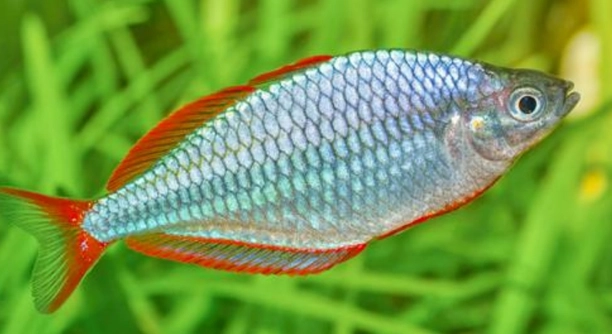
Rainbow fish are a popular choice among aquarium enthusiasts, known for their colorful appearance and playful swimming patterns. However, these vibrant creatures sometimes display odd behavior, making owners wonder if they’re unwell or simply playing dead.
Rainbow fish may appear to play dead in response to stress, illness, or environmental changes. They can also “freeze” when startled or trying to avoid predators. Understanding these behaviors can help aquarium owners provide proper care for their fish.
These strange moments can be unsettling, but understanding the reasons behind them can ensure your fish stay healthy and safe. Let’s explore the different situations where rainbow fish might appear to play dead.
Stress from Water Changes
Rainbow fish are sensitive to sudden changes in water conditions. If the temperature, pH, or salinity shifts too quickly, they might respond by freezing in place or lying motionless. These behaviors can mimic playing dead, but they’re just signs of distress. Consistency in water quality is key to keeping your rainbow fish healthy and active. A stable environment helps them feel secure and prevents them from becoming overwhelmed. Even slight fluctuations can cause them to retreat or stop moving for a while, but with proper care, they’ll return to their usual activity.
A careful monitoring of water parameters can prevent most stress-related issues. Regular testing and gradual changes can help ensure your fish thrive in a comfortable environment.
If your rainbow fish suddenly go still, check for any recent changes in water quality. Sometimes it’s just a temporary reaction that can be fixed with a little adjustment. With a bit of patience, your fish will likely resume normal activity. Proper water maintenance goes a long way in reducing these stress responses.
Illness or Infection
If rainbow fish are infected by parasites or bacterial diseases, they may show signs of lethargy or lack of movement. This could lead to them appearing lifeless or unresponsive. If you suspect illness, it’s essential to separate the affected fish to prevent any spread to others in the tank. Early detection is important for treating infections before they become more serious. Common symptoms like clamped fins, faded colors, or lack of interest in food might signal the need for medical attention.
A veterinarian or aquatic expert can offer specific treatments for your fish’s condition.
When your rainbow fish show signs of illness, it’s crucial to provide a clean, isolated space for them to recover. You might also need to adjust water conditions or administer specific treatments depending on the type of illness. With prompt action, most fish can recover, but attention is required to prevent the spread of any infection.
Shock from Sudden Changes in Light
Rainbow fish are sensitive to light changes, especially if the aquarium’s lighting is suddenly turned on or off. When their environment is altered too quickly, they may freeze or become still for a while. This can look like they’re playing dead, but it’s just a natural response to sudden brightness. Gradual light transitions can help ease this reaction.
To prevent stress from light changes, a dimmer or automatic timer can be used for smooth transitions. Gradually adjusting the intensity or duration of the light helps the fish feel less startled.
When you adjust the lighting too quickly, the fish may freeze in place or swim less actively. In a well-lit tank, they’re more comfortable, but sharp shifts can throw them off. Monitoring and controlling lighting changes helps avoid unnecessary stress, keeping them happy and healthy. A slow fade from dark to light helps them adjust naturally, promoting better overall health.
Fear from New Tank Mates
Rainbow fish may freeze or seem to play dead when they’re introduced to new tank mates. This behavior is usually a defensive reaction. They feel threatened by unfamiliar fish and may stop moving to avoid drawing attention. This can be temporary, and they usually adjust over time once they get used to the new additions.
To help them settle, make sure the new fish are not overly aggressive. Introduce new tank mates slowly to reduce stress. Monitor how the rainbow fish react and give them time to adjust.
If you notice your rainbow fish becoming still after adding new tank mates, give them some time to acclimate. Fish sometimes take a little while to adjust to changes in their environment, especially if new fish are bigger or more dominant. During this time, they might exhibit behaviors like playing dead to avoid confrontation. With patience and a bit of space, your rainbow fish will often adjust and return to their usual activity.
Overcrowded Tank
An overcrowded tank can make rainbow fish feel trapped and stressed. When they don’t have enough space to swim, they might freeze or hide to avoid feeling overwhelmed. This behavior can appear as playing dead, but it’s just their way of coping with the crowded environment.
To avoid overcrowding, ensure the tank has enough room for each fish to move freely. The general rule is to have at least 1 inch of fish per gallon of water, but larger fish may require more space.
In an overcrowded tank, rainbow fish may struggle to find a safe space, leading to stress or stillness. When they’re unable to escape to a calmer spot, they may resort to staying motionless to avoid aggression from tank mates. Properly sizing your tank for the number of fish can keep them healthy and reduce this behavior.
Poor Water Flow
Rainbow fish need a moderate to strong current in their tank to mimic their natural environment. If the water flow is too weak, they may appear lethargic and still. Inadequate water movement can lead to sluggish behavior and may make them seem as though they’re playing dead.
Adjust the filter or water pumps to create a more natural flow that suits your fish’s needs. They’ll likely become more active once the water movement matches their preferences.
A lack of proper water flow in the tank can also cause other issues like poor oxygenation. When the water doesn’t move properly, it becomes harder for rainbow fish to breathe and stay active. If you notice them staying still or floating in one spot, check the water movement and make necessary adjustments.
FAQ
Why do rainbow fish sometimes swim in place or stay still?
Rainbow fish may swim in place or stay still due to stress, illness, or changes in their environment. When they feel threatened, whether from new tank mates, sudden water changes, or overcrowded conditions, they might freeze to avoid drawing attention. This behavior is a survival instinct. Additionally, if they’re not feeling well, they may conserve energy and remain motionless for a while.
Is it normal for rainbow fish to stop moving after a water change?
Yes, it’s normal for rainbow fish to stop moving or become still after a water change, especially if the water temperature, pH, or other conditions are significantly different from what they’re used to. They can be sensitive to sudden changes and may freeze to adjust to the new environment. Over time, once they feel safe again, they’ll usually resume their normal swimming patterns. It’s essential to make water changes gradually to prevent this stress.
How can I tell if my rainbow fish are playing dead or just stressed?
It can be tricky to tell if a rainbow fish is truly playing dead or simply stressed. However, there are some signs to watch for. Stressed fish may remain still for extended periods, hide, or display other symptoms like clamped fins or fading colors. On the other hand, a dead fish will not respond to changes in its environment, such as moving or reacting when food is introduced. If you suspect your fish is playing dead, give it time to see if it resumes normal movement. Also, check the tank conditions for any stressors.
Can poor water quality cause rainbow fish to play dead?
Yes, poor water quality is a common cause of stress for rainbow fish. If the water is too polluted or has unbalanced chemical levels, fish may exhibit signs of distress, such as freezing or appearing lethargic. Regular water testing and maintenance are necessary to ensure the environment is healthy for your fish. If you notice that your rainbow fish are staying still more than usual, check your water’s parameters, including ammonia, nitrites, nitrates, pH, and temperature.
How long does it take for rainbow fish to recover from stress?
The time it takes for rainbow fish to recover from stress depends on the severity of the stressor and how quickly the conditions are corrected. If the stress is due to minor factors like water changes or overcrowding, recovery could take a few hours to a few days. However, if the stress is caused by illness or long-term poor water conditions, it may take longer for them to return to normal. Providing a stable, healthy environment and minimizing disturbances will help them recover more quickly.
What should I do if my rainbow fish are acting lethargic or still for too long?
If your rainbow fish are acting lethargic or still for an extended period, first check the water quality and tank conditions. Ensure the temperature, pH, and other parameters are within the ideal range. If there are no issues with the water or environment, observe the fish for any signs of illness, such as faded colors, clamped fins, or unusual behavior. If symptoms persist or worsen, consider isolating the affected fish and seeking advice from a veterinarian or fish expert to rule out any diseases or parasites.
Can rainbow fish freeze when startled by loud noises?
Rainbow fish can sometimes freeze or become still if startled by sudden loud noises. They are naturally sensitive to vibrations and sounds in the water, and a loud noise might cause them to feel threatened or unsafe. They might stop moving momentarily as part of their defense mechanism to avoid detection by predators. If this happens, they will likely resume swimming once the environment feels calm again. Keeping the tank in a quiet area helps reduce the likelihood of stress from loud sounds.
Is it dangerous if my rainbow fish stop moving for too long?
If your rainbow fish stop moving for too long, it could be a sign of stress, illness, or poor water quality. While short periods of stillness can be normal, especially after environmental changes, prolonged inactivity is concerning. A dead fish will not respond to stimuli, whereas a stressed or ill fish might show other signs like a lack of appetite or abnormal swimming behavior. If the fish do not show signs of improvement or if other fish in the tank are also affected, it’s important to investigate the cause and take appropriate action.
Do rainbow fish need constant light to stay active?
Rainbow fish do need light to help regulate their daily activities, but constant light is not necessary for their well-being. In fact, too much light can cause stress. Rainbow fish prefer a regular day-night cycle, so it’s best to provide around 10-12 hours of light each day and allow them to rest during the night. A consistent lighting schedule helps them maintain healthy behavior and encourages natural patterns of activity and rest. Make sure to avoid sudden changes in lighting to reduce stress.
Why do my rainbow fish act normal one day and then seem to play dead the next?
Rainbow fish can sometimes appear perfectly fine one day and then seem to play dead the next due to fluctuations in their environment. Factors like water temperature changes, a sudden shift in light, or new tank mates can cause them to freeze or become lethargic temporarily. It’s important to monitor their tank regularly and look for any changes or stressors. If the behavior continues or worsens, check for signs of illness, and ensure water quality is stable. If the fish doesn’t improve, further investigation into the tank’s condition might be necessary.
Final Thoughts
Rainbow fish are beautiful creatures, and while they are generally active and playful, there are times when they may appear to play dead. This behavior can be concerning for aquarium owners, but it’s often not as alarming as it might seem. Rainbow fish can freeze or become still due to stress, illness, environmental changes, or even the presence of new tank mates. These pauses in their usual activity are often short-lived and can usually be fixed with some adjustments to their environment. By understanding the reasons behind their stillness, you can address the issue before it becomes a bigger concern.
Maintaining a stable and healthy tank environment is key to preventing these episodes. Regular water changes, proper filtration, and monitoring water temperature and pH can go a long way in ensuring your rainbow fish stay active and healthy. Stress from poor water quality, overcrowded tanks, or sudden lighting changes can trigger this behavior, so it’s important to keep an eye on their environment. Always give your fish time to adjust when introducing new elements, like new fish or changes in the tank’s setup. With patience and careful observation, your rainbow fish will likely return to their normal behavior.
However, if the stillness continues for an extended period or is accompanied by other signs of illness, it’s best to seek advice from an expert. Fish diseases can sometimes cause lethargy or unusual behavior, and early detection is important for treating any potential health issues. By providing the right care and environment, your rainbow fish can thrive, offering you many years of enjoyment as they swim gracefully in their tank. Keeping a watchful eye and responding quickly to any signs of stress or illness will help you enjoy a healthy, active fish community.

Hello,
If you enjoy the content that we create, please consider saying a "Thank You!" by leaving a tip.
Every little bit helps us continue crafting quality advice that supports the health, happiness, and well-being of pets around the world, for pets of all shapes, sizes, and species.
We really appreciate the kindness and support that you show us!