
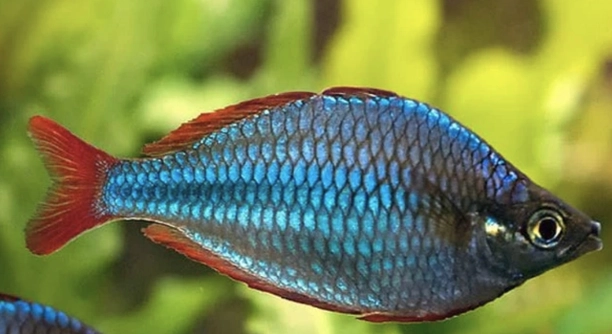
Rainbow fish are often admired for their vibrant colors and playful swimming patterns. However, over time, some of these fish stop exploring their environments as they once did. This change can be puzzling to many fish owners.
The primary reason why rainbow fish stop exploring over time is related to environmental factors, stress, and changes in their habitat. Factors such as water quality, tank setup, and the presence of other fish can all influence their behavior.
Understanding what triggers these changes in behavior is key to keeping rainbow fish active and healthy. This article will explore the factors that lead to their decrease in exploration and provide helpful tips for restoring their curiosity.
Environmental Factors Affecting Rainbow Fish
Rainbow fish are very sensitive to their environment. Changes in water quality, temperature, and light levels can cause them to stop exploring. Poor water conditions, like high ammonia or nitrate levels, make fish feel stressed. When water quality is consistently bad, the fish may choose to stay in one spot rather than swim freely. A fluctuating water temperature can also disrupt their behavior. Rainbow fish thrive in stable, warm environments, so any change can lead to a reduction in activity.
Inadequate tank lighting can also play a role. If the lighting is too dim or too bright, the fish may become uncomfortable and stop exploring their surroundings. Fish need enough light to feel safe, but not too much that it causes stress. A balanced light cycle helps regulate their natural behavior.
Making sure the tank’s environment is healthy and stable will help encourage your rainbow fish to remain active and explore. Regular water changes and consistent lighting are key to maintaining a happy and healthy habitat.
Stress and Its Impact on Behavior
Stress is another significant factor in a rainbow fish’s decision to stop exploring. Fish can easily become stressed by sudden changes, such as new tank mates or loud noises.
When rainbow fish feel stressed, they may retreat to corners or hide among plants. They become less curious and more focused on staying safe. Stress can also affect their health, leading to further inactivity. By avoiding sudden changes and providing a peaceful, quiet space, you can help reduce their stress levels.
Tank Size and Companions Matter
The size of your tank and the number of fish it holds can influence the activity level of rainbow fish. If the tank is too small, the fish may feel confined, and this can limit their exploration. Rainbow fish need plenty of space to swim freely. Overcrowding the tank with too many fish can also lead to stress, making the fish feel like they have nowhere to hide or escape from other fish.
Additionally, the types of tank mates you choose matter. Rainbow fish generally do well with peaceful species, but more aggressive fish can intimidate them. This creates stress that causes them to stay in one area of the tank, limiting their natural behavior. By providing a spacious tank with compatible fish, you allow your rainbow fish to feel secure and free to explore.
Giving your rainbow fish the right amount of space and ensuring a peaceful environment will encourage them to engage in their natural behaviors. If your fish are constantly stressed, it can be difficult to maintain their active nature.
Water Quality and Filtration
Water quality is essential for the health and activity of rainbow fish. Poor water conditions can discourage them from exploring. If the water is dirty or polluted, fish tend to stay in one area, trying to avoid the toxic substances around them.
Maintaining the right water parameters is crucial. Regular water changes, cleaning the filter, and testing the water for ammonia, nitrites, and nitrates are necessary steps. Rainbow fish prefer soft to moderately hard water with a pH level between 6.5 and 7.5. If these parameters aren’t met, they can become lethargic.
A good filtration system helps to keep the water clean and clear. Without proper filtration, waste can accumulate, affecting both the fish’s health and their desire to explore. A well-maintained tank promotes active behavior and overall well-being.
Feeding and Tank Interaction
Rainbow fish may also stop exploring if their feeding schedule isn’t well managed. Overfeeding or underfeeding can lead to changes in their behavior. When fish are overfed, excess food may pollute the water, and they may avoid swimming around the tank.
Feeding them the right amount of food at the right time is essential for keeping them active. Offering a varied diet ensures they get all the nutrients needed for healthy growth. By providing a balanced meal at least once or twice a day, you can encourage rainbow fish to remain active and curious.
Tank interaction with owners can also play a role. If they associate you with food or good experiences, they are more likely to swim around during feeding time.
Tank Decorations and Layout
The layout of your tank affects how rainbow fish move. If the tank is too bare or lacks hiding spots, fish may become anxious and reduce their activity. Adding plants, rocks, or driftwood helps them feel secure and encourages exploration.
A well-decorated tank offers shelter and areas for the fish to hide, which gives them a sense of safety. Rainbow fish are curious, but they need a balance of open spaces to swim and spots to retreat when needed. Providing such spaces can make them feel more comfortable and likely to explore their surroundings.
Water Temperature and Health
Rainbow fish thrive in a stable, warm environment. Sudden changes in water temperature can make them stop exploring. They prefer temperatures between 72°F and 78°F.
If the water gets too cold or too warm, their metabolism slows down, and they become less active. A reliable heater can maintain a steady temperature, allowing the fish to stay active and engaged. Keeping the water at the right temperature ensures the fish’s health and encourages natural behavior.
Fish Species Compatibility
Choosing the right tank mates is important. Rainbow fish are peaceful and do best with other non-aggressive species. If they share a tank with aggressive fish, they may feel threatened and avoid exploring.
Stress from incompatible tank mates leads to reduced activity. By carefully selecting fish that share similar temperaments, you can keep your rainbow fish feeling secure and active. This helps them maintain their natural curiosity and prevents them from becoming too passive or hiding all the time.
FAQ
Why do rainbow fish stop swimming around?
Rainbow fish may stop swimming around due to stress, poor water quality, or unfavorable tank conditions. Factors such as dirty water, high ammonia levels, incorrect temperature, or insufficient space can all contribute to a lack of activity. They may stay in one spot or hide if they feel unsafe or uncomfortable. To encourage swimming, check the water parameters regularly, ensure stable temperatures, and provide plenty of space and hiding places.
Can rainbow fish stop exploring if they are lonely?
Rainbow fish are social creatures and often feel more comfortable in groups. If kept alone, they may become stressed and stop exploring their tank. Keeping them in groups of at least 3 to 5 fish will help them feel secure, and they are more likely to exhibit natural, curious behaviors. If your fish are alone, consider adding more to promote social interaction.
How can I tell if my rainbow fish are stressed?
Stress in rainbow fish can be observed through several signs. They may stop swimming around, become less active, or spend time hiding. Their colors might become dull, or they could start rubbing against objects in the tank. Additionally, stressed fish may display abnormal swimming patterns, such as darting or floating near the surface. If you notice these signs, evaluate the water conditions, tank mates, and the environment to reduce stressors.
What are the best tank mates for rainbow fish?
Rainbow fish are peaceful and do best with other non-aggressive fish. Suitable tank mates include peaceful species like tetras, rasboras, guppies, and other rainbow fish. Avoid aggressive species that may stress or harm them. Keeping peaceful companions helps encourage your rainbow fish to remain active and explore without feeling threatened.
How do I improve water quality for rainbow fish?
To improve water quality for rainbow fish, perform regular water changes, typically 25% every two weeks. Clean the filter regularly and monitor the water parameters, including pH, ammonia, nitrites, and nitrates. Use a good filtration system to keep the water clear and free from harmful chemicals. Installing a water conditioner can also help eliminate chlorine and chloramine, ensuring a healthier environment for your fish.
Can a lack of proper lighting affect my rainbow fish?
Yes, rainbow fish need proper lighting to thrive. Too much light or too little can cause stress. They do best with a balanced light cycle that mimics natural daylight, around 10-12 hours of light per day. A well-lit tank allows them to feel secure and encourages normal activity. If the tank is too dark, they may feel more vulnerable and less likely to explore.
Why do my rainbow fish only swim near the top of the tank?
Rainbow fish may swim near the top of the tank for several reasons. One common cause is poor oxygenation, as they naturally prefer areas with more oxygen. If your filter or aeration system isn’t working well, the oxygen levels at the top may be higher, causing them to stay there. Another reason could be a change in water temperature or poor water conditions. If they are consistently near the top, check the water quality and consider improving tank aeration.
What is the ideal tank size for rainbow fish?
Rainbow fish need space to swim, and the ideal tank size depends on the number of fish you have. A minimum of 20 gallons is recommended for a small group of rainbow fish. Larger tanks are always better, as they allow for more freedom of movement. The more space you provide, the less stressed your fish will be, and the more likely they are to explore.
Can rainbow fish stop exploring if the tank is overcrowded?
Yes, overcrowding can cause stress, making rainbow fish less likely to explore. When there are too many fish in a small space, the fish may feel threatened and become more territorial. They may stay in one spot or hide to avoid conflict. To avoid overcrowding, make sure your tank is large enough to accommodate the number of fish you have, leaving plenty of room for each one.
How can I encourage my rainbow fish to explore more?
To encourage rainbow fish to explore, maintain a stable and healthy environment. Regularly check the water quality and temperature to ensure they are within the ideal range. Provide a well-decorated tank with plants, rocks, and driftwood for hiding and swimming areas. Avoid overcrowding and offer a balanced diet to keep them healthy. Also, adding tank mates that are peaceful and compatible can reduce stress, allowing your rainbow fish to be more active and curious.
Is there a specific diet that helps rainbow fish stay active?
Yes, a varied and balanced diet is essential for keeping rainbow fish active. Offer a mix of high-quality flakes, pellets, and frozen or live foods, such as brine shrimp, daphnia, or bloodworms. A varied diet ensures they get all the necessary nutrients and helps maintain their energy levels. Be mindful not to overfeed, as excess food can pollute the water and stress the fish.
Final Thoughts
Rainbow fish are beautiful and fascinating creatures that add life to any aquarium. However, as with any pet, their behavior can change over time. If your rainbow fish stop exploring or swimming around as they once did, it’s usually a sign that something in their environment needs attention. Understanding the reasons behind this behavior and taking steps to improve their tank conditions can make a big difference.
Water quality is one of the most important factors. Poor water conditions, such as high levels of ammonia or low oxygen, can cause rainbow fish to become stressed and inactive. Regular water changes, good filtration, and monitoring the water parameters are crucial for their well-being. Along with maintaining clean water, keeping the temperature stable and providing proper lighting will help your rainbow fish feel comfortable and more likely to explore their surroundings.
Another important aspect is the tank environment itself. Rainbow fish need enough space to swim freely and feel secure. Overcrowding or having too few hiding spots can cause them to feel stressed and less curious. Creating a well-decorated tank with plants, rocks, and other decorations will give them both open swimming space and areas where they can retreat when needed. By making sure your rainbow fish have the right environment, you’ll encourage them to stay active and continue exploring. Keeping these factors in mind will help ensure your rainbow fish are healthy, happy, and engaged with their surroundings.

Hello,
If you enjoy the content that we create, please consider saying a "Thank You!" by leaving a tip.
Every little bit helps us continue crafting quality advice that supports the health, happiness, and well-being of pets around the world, for pets of all shapes, sizes, and species.
We really appreciate the kindness and support that you show us!