
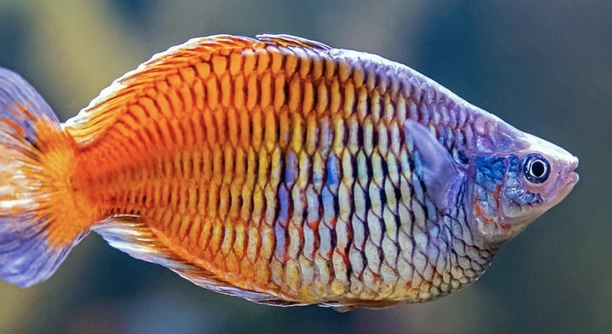
Rainbow fish are known for their beautiful colors and playful nature. As you watch them swim gracefully through the water, you may wonder about how they interact with their environment, especially when plants are involved.
Rainbow fish enjoy swimming through plants, often weaving between the stems and leaves. These plants provide shelter and a place to hide, helping them feel secure and explore their surroundings. However, they may not prefer dense or overly thick plants.
Understanding how rainbow fish move through plants can help create a more natural and comfortable aquarium environment for them. This insight also allows you to set up a tank that supports their well-being and behavior.
How Rainbow Fish Interact with Plants in the Tank
Rainbow fish are active swimmers that enjoy exploring their surroundings. In their natural habitats, they often swim through plants, which offer both food and protection. These fish have a tendency to weave through plants in a playful manner, making use of their environments for various purposes. Plants offer a place to rest, hide from other fish, or simply explore. When choosing plants for your aquarium, it’s important to consider the type of plant and its placement. Some plants, like Java ferns or Anubias, work well as they don’t overcrowd the tank. Overcrowded plants can limit movement and cause stress for the fish.
The right plants create an environment that mimics the fish’s natural habitat, making them feel secure while they swim. However, plants need to be maintained properly. Dead leaves or poorly maintained plants can create debris, affecting the water quality and, in turn, the health of your fish. Keeping plants clean ensures your rainbow fish have a safe place to explore.
Adding plants to a tank not only benefits the fish but also creates a beautiful, natural aesthetic. By choosing the right types of plants and maintaining them properly, your rainbow fish can move freely and thrive. Plants also contribute to the overall health of the tank by improving water quality, providing oxygen, and absorbing excess nutrients. This balance creates a more harmonious environment for both the fish and plants. Proper care and attention to both the plants and fish can lead to a vibrant, healthy aquarium where both can flourish together.
Benefits of Plants for Rainbow Fish
Plants help rainbow fish feel more at ease, reducing stress and promoting natural behaviors. They also improve the overall ecosystem of the tank.
Plants provide much-needed shelter and hiding spaces, which make rainbow fish feel secure. When fish have places to retreat to, they experience less anxiety and swim more freely. These hiding spots allow them to exhibit natural behavior, such as foraging or resting, which would otherwise be limited in a sparse tank. Proper placement of plants can encourage rainbow fish to swim at different levels of the tank, adding variety to their movements. Additionally, plants act as natural filters, removing excess nutrients from the water. This promotes a healthier environment for the fish by reducing algae growth and improving overall water clarity. Healthy plants also create oxygen in the tank, ensuring the water is properly aerated and safe for the fish. The more balanced and natural the environment, the healthier the fish will be. With the right plants, your rainbow fish will feel at home and exhibit vibrant, active behavior.
Choosing the Right Plants for Rainbow Fish
Not all plants are suitable for rainbow fish. It’s important to select plants that won’t overcrowd the tank and will support the natural behavior of the fish.
Plants like Java moss, hornwort, and Vallisneria are ideal for rainbow fish. They provide a good balance of shelter and open spaces for swimming. Avoid plants with dense, thick leaves or those that may take over the tank. Overcrowded plants can stress the fish and limit their movement. Opting for plants that grow slowly and are easy to care for helps maintain a healthy balance in the tank. Proper plant care ensures your fish feel secure and can interact with their environment freely.
By choosing the right plants, you can provide rainbow fish with a comfortable and engaging environment. Ensure the plants’ growth is manageable by regularly trimming them to avoid any overcrowding. Plants that are too large or too fast-growing can block light and reduce the available swimming space for your fish. Maintaining a balance between plant growth and fish movement is key to a thriving aquarium. Regularly check on plant health to avoid problems like dying leaves or algae buildup, which can negatively affect the water quality and fish health.
How Plants Affect Water Quality
Plants can be incredibly helpful in maintaining healthy water conditions for your rainbow fish. They naturally filter the water, remove excess nutrients, and help keep the tank clean.
Healthy plants absorb nitrates and phosphates, which are waste products from fish and uneaten food. By absorbing these nutrients, plants prevent excessive algae growth, which can quickly harm water quality. This is especially important in smaller tanks where water quality can degrade more quickly. Regular pruning of plants can further help maintain water clarity by removing dead leaves and debris. The more plants you have, the better the natural filtration and overall health of the tank.
In addition to removing excess nutrients, plants also produce oxygen during photosynthesis, which is essential for the health of your rainbow fish. Proper oxygen levels ensure that your fish can breathe easily, reducing stress and promoting active behavior. However, it’s important to avoid having too many plants, as overcrowding can limit water circulation. A well-maintained balance between plants, water changes, and filtration can help ensure a healthy environment for both plants and fish. Monitoring the growth of plants and maintaining a proper water cycle is crucial for the long-term success of your tank.
How to Place Plants in the Tank
The placement of plants plays a major role in how comfortable your rainbow fish feel. Avoid blocking the fish’s path by leaving open swimming areas.
Place taller plants towards the back and smaller plants in the front. This creates a more natural feel and helps with water flow. Ensure there are areas where your rainbow fish can swim freely without feeling cramped. Placing plants around the tank’s edges allows the fish to explore and feel safe, while also creating visual interest.
A well-planned plant layout gives your rainbow fish both comfort and space. It encourages them to interact naturally with their environment, helping reduce stress. Fish often feel more secure when they have places to hide or rest. Proper plant placement also allows for better water circulation, which is important for the overall tank health.
Managing Plant Growth
Managing plant growth is essential to prevent overcrowding and maintain water quality. Regular pruning will help keep plants in check.
Trim back plants that grow too fast to ensure they don’t block light or hinder water flow. Some plants like Java fern and Anubias grow slowly and require less maintenance. Keeping the tank’s plants under control also ensures they won’t outcompete each other for nutrients. A healthy balance will support your rainbow fish’s well-being.
Common Issues with Plants and Fish
Plants can sometimes cause problems in a tank, especially if not properly maintained. Dead leaves can decay and affect water quality.
Make sure to remove any decaying plant matter immediately to avoid water contamination. Also, keep an eye out for plants that may be too large or invasive, as they can crowd the tank, making it harder for the fish to swim freely. Regular cleaning and trimming can help prevent such issues.
FAQ
Do rainbow fish like plants in their tank?
Yes, rainbow fish generally enjoy plants in their tanks. Plants offer them places to hide, rest, and explore, making the tank feel more like their natural habitat. They tend to swim through the plants, weaving between the leaves, which helps reduce stress and adds to their overall comfort. However, it’s important to ensure that the plants are not too thick or invasive, as overcrowding can limit the fish’s movement.
What types of plants are best for rainbow fish?
Rainbow fish thrive in tanks with plants that offer a good balance of hiding spaces and open swimming areas. Plants like Java moss, Anubias, and Vallisneria are excellent choices. These plants grow well in aquariums and provide natural shelter for the fish. It’s best to avoid plants that grow too fast or spread uncontrollably, as they can overcrowd the tank and hinder the fish’s ability to swim.
Can rainbow fish get stressed by plants?
Rainbow fish can get stressed if the plants in their tank overcrowd the space or hinder their movement. Dense or fast-growing plants can block light and water circulation, which can lead to poor water quality and reduce the fish’s overall well-being. Keeping the plants trimmed and well-maintained will help prevent any stress from overcrowding.
How often should I clean the plants in my aquarium?
It’s important to regularly clean your plants to keep them healthy and maintain water quality. Remove any dead or decaying leaves, as they can contribute to poor water conditions and affect the health of both your plants and fish. Depending on the plant species, you may need to trim them every few weeks to keep their growth in check and avoid overcrowding the tank.
Can rainbow fish live in a tank with only plants?
While rainbow fish can live in a tank with plenty of plants, they still need a proper environment to thrive. This includes good water quality, a filtration system, and appropriate tankmates. Plants alone cannot provide everything the fish need to survive, but they certainly contribute to a more natural and comfortable environment. A well-balanced tank with plants, hiding spots, and clean water is ideal.
Are live plants necessary for a rainbow fish tank?
Live plants are not strictly necessary for a rainbow fish tank, but they do provide numerous benefits. Live plants help improve water quality by filtering out excess nutrients, which can lead to healthier fish and a more stable tank environment. They also provide natural hiding spots and help reduce stress, which can encourage the fish to exhibit more natural behaviors. However, if live plants aren’t an option, artificial plants can still offer some of these benefits.
How do plants help improve water quality in a rainbow fish tank?
Plants are natural filters. They absorb excess nutrients like nitrates and phosphates from the water, which helps prevent algae growth and improves water clarity. Healthy plants also produce oxygen through photosynthesis, which is important for the fish’s respiration. Regular trimming and removal of dead plant matter ensure that the water remains clean and clear, which benefits both the fish and the plants.
Can rainbow fish survive without plants?
Rainbow fish can survive without plants, but their overall well-being may be compromised. Plants offer many benefits, including reducing stress, providing hiding places, and maintaining better water quality. Without plants, the tank may feel barren and less natural, which could lead to behavioral issues and stress for the fish. It’s recommended to have at least some plants in the tank for the fish’s comfort and health.
What should I do if the plants in my tank start to die?
If your plants are starting to die, it’s important to remove any decaying leaves or plant matter as soon as possible. Dead plants can release harmful substances into the water, which could affect the health of your rainbow fish. Check the water parameters, as poor water quality could be causing the plants to die. Ensure your plants have enough light, nutrients, and space to grow. If necessary, replace the dead plants with new, healthy ones.
How do I control plant growth in a rainbow fish tank?
To control plant growth, regular trimming and maintenance are key. Prune fast-growing plants to prevent them from overcrowding the tank. Some plants, like Java ferns and Anubias, grow slowly and require less maintenance, making them ideal for a controlled environment. If necessary, reduce the amount of fertilizer or light to slow plant growth. Keep an eye on your plants and trim them as needed to maintain a balanced tank.
Do rainbow fish prefer certain types of plants for hiding?
Rainbow fish enjoy plants that provide shelter but don’t block their ability to swim freely. Plants with broad leaves, like Anubias or Amazon swords, offer excellent hiding spots. Mosses and floating plants can also create secure areas where the fish can rest. The key is to provide enough hiding places while still leaving plenty of open swimming space to keep the fish comfortable.
How can I make my rainbow fish feel at home in a planted tank?
To make your rainbow fish feel at home, provide a variety of plants that offer both hiding spots and open spaces to swim. Maintain clean water by regularly removing debris and dead plant matter. Ensure that the plants are trimmed and don’t overcrowd the tank, allowing the fish to move freely. A balanced tank with appropriate lighting, filtration, and water quality will help your fish thrive.
Final Thoughts
Rainbow fish thrive in environments that mimic their natural habitat, and plants play an important role in creating this environment. The right plants in a tank offer many benefits for both the fish and the overall health of the aquarium. Plants provide hiding spots, which help reduce stress and allow the fish to feel secure. They also improve the water quality by absorbing excess nutrients that could otherwise lead to algae growth. With careful selection and maintenance of plants, you can create a peaceful and healthy space for your rainbow fish to swim and thrive.
However, it’s important to keep in mind that not all plants are suitable for a rainbow fish tank. Choosing the right types of plants and placing them correctly ensures that your fish have both shelter and open swimming areas. Plants that grow too fast or become too dense can overcrowd the tank, making it difficult for the fish to move freely. Regular trimming and removing dead leaves are essential to maintaining a balance between plant growth and fish movement. This balance will help keep the fish comfortable and avoid any potential stress caused by overcrowding.
Ultimately, plants contribute significantly to the overall well-being of rainbow fish, but they are just one aspect of creating a healthy and thriving aquarium. Proper water quality, filtration, and appropriate tankmates also play key roles in ensuring your fish are happy and healthy. By carefully maintaining both the plants and the environment, you can support your rainbow fish’s natural behaviors, reduce stress, and encourage active, vibrant fish. With the right care, plants and rainbow fish can coexist harmoniously in a tank, creating a beautiful and balanced aquatic ecosystem.

Hello,
If you enjoy the content that we create, please consider saying a "Thank You!" by leaving a tip.
Every little bit helps us continue crafting quality advice that supports the health, happiness, and well-being of pets around the world, for pets of all shapes, sizes, and species.
We really appreciate the kindness and support that you show us!