
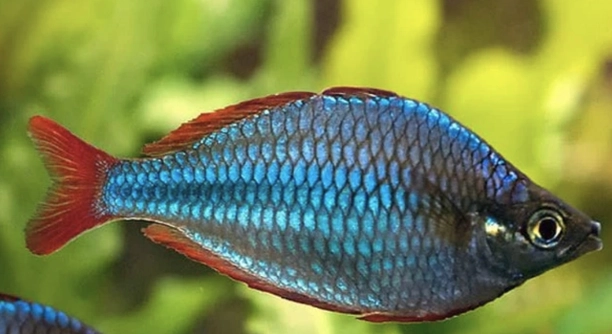
Sometimes, when observing a group of rainbow fish, one might notice that a single fish seems to avoid the others. This behavior can be puzzling, as fish are generally social creatures. There could be several reasons for this.
The main reason a rainbow fish might avoid the group is stress or discomfort. Factors such as overcrowding, aggressive behavior from other fish, or inadequate environmental conditions can lead to the fish seeking solitude for its well-being.
Understanding the causes behind this behavior can help in creating a better environment for your fish. Exploring these factors will reveal how to improve the social dynamics of your aquarium.
Overcrowding and Lack of Space
One of the main reasons a rainbow fish might avoid the group is overcrowding. When an aquarium has too many fish, it can lead to stress for the rainbow fish. Fish need space to swim and claim territories. Without enough room, they might feel threatened by the others around them. This can make them hide or stay away from the group. In smaller tanks, the fish can become territorial and fight for space. If they don’t feel comfortable in their environment, it’s common for a fish to distance itself from others.
This is especially true for species like rainbow fish, which can be sensitive to crowded conditions. Proper tank size and ensuring enough space for each fish are essential to avoid this issue.
To help, try to reduce the number of fish in the tank or upgrade to a larger one. This way, each fish can have more room to swim freely. Adding plants or decorations can also create hiding spots, giving your rainbow fish the option to feel safer when needed.
Aggression from Other Fish
Sometimes, it’s not the lack of space but the behavior of other fish that causes a rainbow fish to avoid the group. If there are aggressive fish in the tank, it might feel threatened. Some fish, especially males, can become territorial or protective of their space. This aggression can make other fish, like rainbow fish, seek solitude away from the group. They might swim away when they sense potential danger or feel like they’re being chased.
Aggressive interactions can create a stressful environment, forcing fish to hide or avoid certain areas. In some cases, rainbow fish will isolate themselves to avoid conflicts with more dominant or aggressive tank mates. By carefully choosing compatible fish, you can prevent this stress.
Observing the interactions in your tank and removing overly aggressive fish can solve this issue. Rainbow fish tend to do well in peaceful tanks with species that are calm and not territorial. Proper tank mates are important to ensure harmony.
Water Conditions
Rainbow fish are very sensitive to water quality. If the water conditions are not ideal, it can lead to stress and cause them to avoid the group. This could be due to changes in pH, temperature, or high levels of ammonia and nitrites. When these factors are off, fish will often seek out places in the tank where they feel safer.
Proper filtration and regular water changes are important to maintaining the right conditions. If the water quality is poor, the rainbow fish may isolate themselves to avoid the discomfort. Keeping the water parameters stable and within the species’ preferred range helps them feel more comfortable and social.
Testing your water regularly and adjusting it accordingly can improve the situation. If you notice one fish acting out, it’s a good idea to check the tank conditions. A healthy, well-maintained tank will encourage social interaction among the fish and keep stress levels low.
Inadequate Diet
Another reason a rainbow fish might avoid the group is due to inadequate nutrition. If the fish isn’t getting enough or the right type of food, it might become lethargic and withdrawn. Fish that are underfed or not given a balanced diet can experience health issues, leading them to avoid the group. Malnourished fish often don’t have the energy or motivation to socialize with others.
Ensure that your rainbow fish is getting a variety of food, including pellets, flakes, and live or frozen food. The right diet helps support their immune system and overall well-being. If one fish is acting differently, it could be because it’s not receiving the proper nutrients.
A well-fed rainbow fish will be more active, colorful, and sociable. If you’re feeding them a variety of foods in appropriate amounts, they’ll have the energy to interact with the other fish. Adjusting the diet might help improve their social behavior over time.
Illness or Injury
If a rainbow fish is feeling unwell or injured, it may avoid the group. Fish that are sick tend to isolate themselves to rest and recover. Symptoms such as faded colors, lethargy, or abnormal swimming patterns can indicate health issues that cause them to distance from others.
If you suspect illness, it’s important to quarantine the affected fish to prevent the spread of any diseases. Regularly check for signs of injury, such as missing fins or sores, and ensure the tank is free of harmful objects. Addressing health issues early can prevent the fish from becoming more stressed.
Breeding Behavior
Rainbow fish may also avoid the group during breeding periods. When they are ready to spawn, they often become more territorial or seek solitude. The desire to find a safe, quiet spot for egg-laying can make the fish less social with others during this time.
During breeding, rainbow fish may display different behaviors, such as chasing other fish away or seeking out secluded areas. This instinct is a natural part of reproduction. Ensuring that your tank has plenty of hiding spots and areas for fish to breed can help reduce stress and keep the rest of the group calm.
Environmental Enrichment
If the environment lacks enrichment, the rainbow fish may become bored or stressed. Without plants, decorations, or other features to explore, the fish can feel confined and avoid others. A lack of enrichment can affect their overall health and behavior.
Adding plants, caves, or other hiding spots can provide more space for the fish to explore. This allows them to establish territories and reduces the stress of being constantly surrounded by other fish. The right setup encourages natural behavior, making the tank feel safer for all fish.
FAQ
Why is my rainbow fish hiding all the time?
Rainbow fish may hide if they are feeling stressed, unwell, or uncomfortable. Poor water conditions, aggressive tank mates, or overcrowding are common causes of stress. If your fish is constantly hiding, it’s important to check the tank’s environment. Make sure the water parameters, such as pH, temperature, and ammonia levels, are within the recommended range. Also, ensure that there are no overly aggressive fish in the tank that may be causing distress. Sometimes, a fish will hide if it feels threatened or doesn’t feel safe in the environment.
How do I know if my rainbow fish is sick?
Sick rainbow fish might exhibit a variety of symptoms, including faded colors, loss of appetite, lethargy, or abnormal swimming. If you notice any of these signs, it’s best to isolate the fish to prevent spreading potential diseases to others. Look for any physical changes, like sores, fins that are clamped, or unusual spots on the body. If you suspect your fish is ill, it’s best to consult with an aquarium expert or vet who specializes in fish. A prompt diagnosis can help prevent serious health problems.
Can rainbow fish live alone?
Rainbow fish are social animals and generally prefer to live in groups. They are most active and healthy when kept in schools, as they feel safer and less stressed. Keeping a rainbow fish alone may cause it to become lonely and less active. In the wild, rainbow fish live in large groups, which provides them with protection and support. While it is possible for a rainbow fish to live alone, it’s not ideal for their overall well-being. Ideally, you should keep at least 3-4 rainbow fish together to mimic their natural behavior.
How can I improve my tank environment for rainbow fish?
To improve the tank environment, focus on maintaining stable water conditions. Regularly test for pH, ammonia, and temperature levels to ensure they are within the proper ranges for rainbow fish. Adding plants, rocks, and hiding spots can provide enrichment and reduce stress. These additions offer the fish places to explore, hide, or establish territories. A proper filtration system is essential to keep the water clean, as dirty water can lead to health problems. Additionally, avoid overcrowding the tank to ensure each fish has enough space to swim freely.
What tank mates are best for rainbow fish?
Rainbow fish are peaceful and social, making them compatible with other non-aggressive fish species. Some good tank mates include tetras, gouramis, and peaceful barbs. It’s important to avoid aggressive species that might harass the rainbow fish, as this could lead to stress and social withdrawal. Ideally, choose fish that have similar water requirements and are known to be calm in community tanks. Research each species’ behavior before adding them to ensure they will coexist peacefully with your rainbow fish.
Why is my rainbow fish’s color fading?
Fading color in rainbow fish can be a sign of stress, poor water conditions, or illness. If the water parameters aren’t right, the fish may lose its bright colors. Stress from aggressive tank mates, overcrowding, or insufficient hiding spots can also cause the fish to appear dull. A lack of a balanced diet or insufficient nutrients can also affect its color. To help restore the fish’s color, make sure the tank is properly maintained, provide a well-balanced diet, and reduce any stress factors in the environment. Healthy water conditions are key to vibrant fish.
How can I tell if my rainbow fish is stressed?
Stressed rainbow fish might display behaviors such as hiding, swimming erratically, or becoming less active. They may also lose their bright colors or develop abnormal swimming patterns. If a fish is being chased or bullied by other tank mates, it may feel threatened and seek out hiding spots. Pay attention to changes in behavior and physical appearance. Stressed fish may also refuse to eat. Ensuring proper tank conditions, a calm environment, and a balanced diet can help reduce stress and promote healthy behavior.
What is the ideal tank size for rainbow fish?
Rainbow fish require space to swim and thrive. A tank that is at least 30 gallons is ideal for a small group of rainbow fish. For larger groups or if you have multiple species of fish, you may need a larger tank. Providing ample swimming space helps reduce stress and gives the fish the freedom to behave naturally. Overcrowding can lead to territorial disputes, stress, and poor water quality, which can negatively impact the health of your rainbow fish. A spacious tank with plenty of hiding spots and enrichment will promote healthy social behavior.
Final Thoughts
Rainbow fish are beautiful and social creatures that generally thrive in groups. However, when a rainbow fish begins to avoid the others, it’s often a sign of stress or discomfort. Understanding the reasons behind this behavior can help you address any issues in the tank and ensure your fish stay healthy and happy. Factors like overcrowding, aggressive tank mates, poor water conditions, or even illness can cause a rainbow fish to isolate itself. By identifying the cause and making necessary adjustments, you can help restore the social harmony in your aquarium.
Maintaining a balanced and peaceful environment is key to preventing stress. It’s important to regularly check the water quality, as poor conditions can lead to behavioral changes and health problems. A proper filtration system and regular water changes will help keep the water clean and stable. If your rainbow fish are being bullied by other tank mates, consider rearranging the tank to reduce aggression or adding more hiding spots. A peaceful tank with enough space for each fish to establish its own territory will lead to a healthier, more active environment for everyone.
Providing a balanced diet and considering the compatibility of your tank mates also plays a role in promoting a happy community. Rainbow fish should be fed a variety of foods, including flakes, pellets, and occasional live or frozen foods. This ensures they get all the nutrients they need to stay healthy and vibrant. By addressing the factors that could be contributing to stress, you can create an environment where your rainbow fish feel safe, comfortable, and able to socialize with the rest of the group. With a little attention to their needs, your rainbow fish will thrive and interact naturally, creating a beautiful, lively aquarium.

Hello,
If you enjoy the content that we create, please consider saying a "Thank You!" by leaving a tip.
Every little bit helps us continue crafting quality advice that supports the health, happiness, and well-being of pets around the world, for pets of all shapes, sizes, and species.
We really appreciate the kindness and support that you show us!