
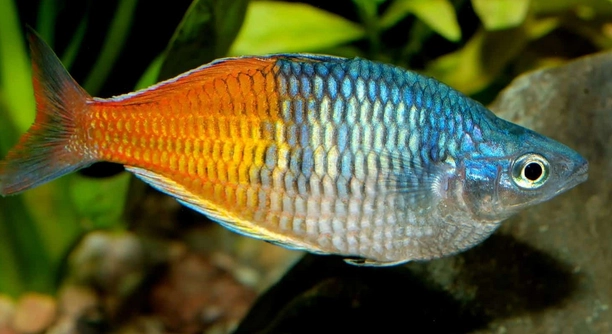
Rainbow fish are often a popular choice for aquariums due to their vibrant colors and peaceful nature. However, after eating, you may notice them acting lethargic. Understanding this behavior can help improve the health and care of your fish.
Rainbow fish may act lethargic after eating due to a variety of factors, including overfeeding, digestion, or water temperature. This behavior is often temporary and related to the energy spent on digestion or the fish’s metabolic process.
Knowing the reasons behind this behavior will help ensure your rainbow fish remain healthy and active. With proper care, they can thrive and continue to brighten up your aquarium.
Overfeeding and Its Impact on Rainbow Fish Behavior
Overfeeding rainbow fish can lead to lethargic behavior after meals. When they consume more food than necessary, their digestive system becomes overloaded. This can result in slower digestion and a temporary drop in energy levels. Fish are not designed to eat large quantities at once, so it’s important to feed them only what they can consume within a few minutes.
Feeding too much not only affects their energy but can also impact water quality. Excess food decays, leading to poor water conditions. This further stresses the fish, making them more susceptible to lethargy. By offering smaller meals more often, you can help maintain their activity levels.
Regular feeding schedules and portion control are essential for keeping your rainbow fish healthy. Ensure that your fish are eating what they need without excess, and adjust feeding routines as necessary. A balanced diet will encourage them to remain active and vibrant throughout the day.
Water Temperature and Fish Health
Water temperature plays a significant role in the behavior of rainbow fish.
If the water is too warm or too cold, the fish’s metabolism is affected, which can lead to sluggishness after eating. Maintaining a stable, appropriate temperature helps regulate their digestive process.
Digestion Process and Its Effects on Activity
The digestion process can make rainbow fish appear sluggish. After eating, their body directs most of its energy towards breaking down food, leaving them with less energy for movement. This is a normal biological response, and it’s important not to mistake this temporary behavior for illness.
Rainbow fish, like many fish species, need time to digest their food. While they digest, they often rest near the bottom of the tank or in a quieter part of their environment. This resting period usually lasts a few hours, and they will return to their normal activity level once digestion is complete. Patience is key during this time, as they will perk up once their food is processed.
Digestive issues can arise from inconsistent feeding practices or improper food types. Therefore, ensuring your fish receive the right balance of nutrients can minimize the impact on their energy levels. Pay attention to their diet and feeding frequency for optimal health.
Stress and Lethargy in Rainbow Fish
Stress can contribute to lethargy in rainbow fish after eating.
When fish are stressed, whether by changes in their environment, tank mates, or water quality, it affects their overall well-being. After eating, a stressed fish may need extra time to rest and recover from the heightened tension in their body. Prolonged stress can cause more significant health problems, so it’s essential to maintain a stable and comfortable environment.
Water Quality and Its Influence on Behavior
Poor water quality can directly affect rainbow fish behavior. When the water is not clean or has high levels of toxins, it can cause stress and lethargy. This often leads to slower movement or inactivity, particularly after feeding.
Maintaining clean, well-filtered water is crucial for the fish’s overall health. Water changes should be done regularly, and the filter should be kept in good condition. A stable pH level and proper nitrate levels are also important to avoid stress-induced sluggishness.
Feeding Frequency and Impact on Energy
Feeding rainbow fish too frequently can lead to lethargy after eating.
Overfeeding can disrupt their metabolism, causing them to rest more than usual. Adjusting their feeding schedule can help maintain their energy levels, keeping them active throughout the day. Moderation is key in ensuring their vitality.
Importance of Tank Size for Healthy Movement
Tank size plays a significant role in a rainbow fish’s energy levels.
Inadequate space can cause stress, which leads to lethargic behavior, especially after meals. A larger tank gives them room to swim and stay active, promoting better digestion and overall health. Proper space ensures they can thrive in their environment.
FAQ
Why do rainbow fish get lethargic after eating?
Rainbow fish can become lethargic after eating due to the energy required for digestion. When they eat, their body directs its energy toward processing the food. During this time, they might rest and appear less active. This is a normal response and usually only lasts for a few hours until their digestive process is completed.
How can I prevent my rainbow fish from becoming lethargic after eating?
To prevent lethargy, avoid overfeeding. Rainbow fish only need small meals that they can finish within a few minutes. This helps prevent an overloaded digestive system. Additionally, ensure the water quality is stable and optimal for their health, as poor water conditions can also contribute to sluggishness.
What is the best temperature for rainbow fish?
Rainbow fish thrive in water temperatures between 74°F and 80°F (23°C to 27°C). Keeping the water within this range ensures they stay active and healthy. Extremes in temperature can slow down their metabolism, leading to a drop in energy and increased lethargy, especially after eating.
Can stress make rainbow fish act lethargic?
Yes, stress can cause rainbow fish to appear lethargic, especially after meals. Stress factors can include poor water quality, aggressive tank mates, sudden changes in environment, or overcrowded tanks. When stressed, fish may not only act lethargic after eating but also show other signs like hiding or darting away from tank mates.
How often should I feed my rainbow fish?
Rainbow fish should be fed small portions twice a day. Offering them too much food at once can cause digestive issues and lethargy. It’s important to provide only enough food for them to consume within a few minutes, ensuring that excess food does not degrade water quality. Overfeeding can also lead to obesity in the fish.
Is it normal for rainbow fish to rest after eating?
Yes, it is normal for rainbow fish to rest after eating. The energy required for digestion may cause them to slow down temporarily. During this time, they may hide or swim slowly, but they should return to their usual activity level once digestion is completed. Just ensure that the environment is comfortable for them to rest.
Can poor water quality cause lethargy in rainbow fish?
Yes, poor water quality can significantly affect the behavior of rainbow fish, including causing lethargy. If the water has high levels of ammonia, nitrites, or nitrates, it can stress the fish and make them less active. Regular water changes and proper filtration are key to keeping the water clean and the fish healthy.
How can I tell if my rainbow fish are stressed?
Signs of stress in rainbow fish include erratic swimming, hiding, loss of appetite, or a lack of interest in interacting with tank mates. If they become lethargic after eating and seem to stay in one spot for extended periods, it may be a sign that they are stressed. Consistently monitor their behavior and water conditions.
What are some common health problems that cause lethargy in rainbow fish?
Lethargy in rainbow fish can also be caused by health problems like parasites, infections, or swim bladder issues. If the fish continue to act lethargic despite good water quality and a proper diet, it may be necessary to examine them for signs of illness. Consult a veterinarian or a fish expert if symptoms persist.
Should I adjust the lighting for my rainbow fish tank?
Lighting can affect the behavior of rainbow fish. Too much light can stress them out, causing lethargy, while too little light can make them inactive. It’s best to provide a regular day-night cycle with moderate lighting. Aim for about 10-12 hours of light per day to mimic their natural environment.
Can rainbow fish get lethargic from being too active?
Yes, rainbow fish can become temporarily lethargic if they are overly active. Like any fish, they need periods of rest to recover from intense activity. However, if they are constantly lethargic or show no interest in swimming, it may be a sign of stress, poor water quality, or other health issues.
What is the ideal tank size for rainbow fish?
Rainbow fish need ample space to swim and explore. A minimum tank size of 30 gallons is recommended for a small group of rainbow fish. A larger tank allows them to spread out and reduces stress, which can lead to better digestion and increased activity. Overcrowding can result in lethargy and health problems.
Can rainbow fish get lethargic from water changes?
Rainbow fish can become stressed temporarily after water changes, especially if the new water is significantly different in temperature or pH. This stress might cause them to act lethargic for a short period. To minimize this, always ensure that the new water is conditioned, properly heated, and matches the tank’s parameters.
Do rainbow fish need to be kept with other fish?
While rainbow fish are peaceful and social, they don’t necessarily need to be kept with other fish to avoid lethargy. They will thrive best in schools of at least six, which helps keep them active and engaged. Keeping them with similarly peaceful species can also reduce stress and prevent lethargy.
Can rainbow fish become lethargic from sudden temperature changes?
Yes, sudden temperature changes can cause rainbow fish to become lethargic. These fish are sensitive to fluctuations in temperature. A rapid change can shock their system, slowing down their metabolism and making them appear sluggish. Always monitor the temperature regularly to ensure it stays consistent.
How can I help my rainbow fish stay active?
To help your rainbow fish stay active, maintain a stable tank environment, avoid overfeeding, and ensure they have enough space to swim freely. Providing plants, rocks, and other tank decorations can also encourage natural behavior. Keeping the tank clean and the water quality high is essential for their overall health and activity.
Is it normal for rainbow fish to act lethargic during the night?
Yes, it is normal for rainbow fish to be less active during the night. Like many fish species, rainbow fish are typically more active during the day and may rest or sleep during the night. They are diurnal, meaning they are most energetic when there is light.
Final Thoughts
Rainbow fish can appear lethargic after eating, and while it’s generally a normal behavior, there are factors that may influence it. Their activity levels are often linked to the process of digestion, which requires energy. During this time, they may rest or move more slowly. As long as the lethargy lasts only for a short period and your fish return to their usual behavior afterward, it is not a cause for concern. However, if the sluggishness persists, it’s worth considering the water quality, feeding habits, and potential stress factors.
Maintaining a proper tank environment is key to supporting the health of rainbow fish. This includes keeping the water clean, ensuring the right temperature range, and avoiding overfeeding. Overfeeding can cause digestive issues, leading to longer periods of lethargy. It’s important to feed them the right amount, allowing them to finish their meals within a few minutes. A clean and stable environment reduces stress, which is another common cause of lethargy. If your rainbow fish seem overly lethargic or exhibit other signs of illness, it’s best to check the water conditions and monitor their behavior closely.
While it’s common for rainbow fish to rest after eating, it’s essential to consider the overall well-being of your fish. Ensuring they have enough space, proper tank mates, and good water quality will help keep them active and healthy. If they continue to show signs of lethargy even after addressing the common factors, further investigation into their health and environment may be needed. By providing the right care and attention, you can ensure your rainbow fish remain vibrant and energetic.

Hello,
If you enjoy the content that we create, please consider saying a "Thank You!" by leaving a tip.
Every little bit helps us continue crafting quality advice that supports the health, happiness, and well-being of pets around the world, for pets of all shapes, sizes, and species.
We really appreciate the kindness and support that you show us!