
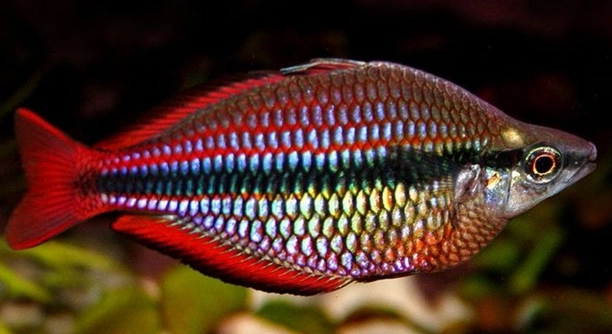
Do you ever find yourself watching rainbow fish glide side-by-side and wondering why they swim in pairs instead of alone? Their colorful, synchronized movements catch the eye and create a fascinating scene in any aquarium or reef.
Rainbow fish swim side-by-side in pairs primarily for social bonding, safety, and mating purposes. Swimming together strengthens their connection, helps them protect against predators, and increases their chances of successful reproduction in their natural environment.
While this behavior may seem simple, it reflects complex instincts that have evolved over time to help rainbow fish survive and thrive together.
The Importance of Pair Swimming in Rainbow Fish
Pair swimming plays an important role in the daily lives of rainbow fish. By swimming side-by-side, they create a strong bond that supports their survival. This behavior helps them stay organized and work as a unit when threats appear. In the wild, rainbow fish are vulnerable to predators, and moving together makes them look larger and more difficult to attack. Their bright colors shine more vividly when grouped, confusing predators and providing an extra layer of protection. Pair swimming is also connected to mating, as forming a bond with a partner increases their chance of successfully reproducing. This behavior can be seen in both captive and wild environments, showing that it is deeply rooted in their natural instincts. Their synchronized swimming is not just beautiful to watch, but an important part of how they live and thrive.
Rainbow fish are naturally social, and pairing up is their way of creating stability within their group. It offers comfort and structure.
Understanding this behavior gives a glimpse into how rainbow fish use social connections for survival. Even in an aquarium, providing a partner for a rainbow fish can help reduce stress and encourage healthy activity. It brings out their natural beauty and highlights their vivid personalities. When they have a pair, they interact more, show brighter colors, and appear more confident. Without a companion, they may become withdrawn or show signs of stress. By encouraging their natural instinct to bond, caretakers can support healthier, more active rainbow fish. It is important to maintain a balanced environment, including plants and open swimming space, to allow these pairs to interact naturally. Observing their side-by-side movement offers a deeper appreciation for the complexity behind their simple, stunning displays. Their behavior reminds us of the value of connection, even among the smallest creatures.
How Pairing Affects Their Behavior
Pair swimming does more than offer protection; it influences nearly every aspect of a rainbow fish’s daily behavior, from feeding to mating and exploration.
When rainbow fish swim in pairs, they exhibit greater confidence and a more stable daily routine. In the wild, this cooperation allows them to explore new areas, find food, and protect each other from threats. In an aquarium, the effects are just as important. Paired rainbow fish are more active and less stressed, leading to stronger immune systems and brighter colors. Their feeding behaviors are also improved, as they are encouraged by the presence of a partner. Pairing also helps maintain a clear social order, reducing territorial disputes and aggressive behavior. It creates a rhythm in their day-to-day lives, with synchronized swimming serving as a visible expression of their bond. Without a companion, rainbow fish can become more vulnerable to illness, stress, and behavioral problems. Providing the opportunity for healthy social interactions is key to their long-term well-being.
The Role of Environmental Factors in Pair Swimming
Rainbow fish depend on their environment to maintain strong pair bonds. Changes in water temperature, pH levels, or habitat structure can influence how closely they swim together. A calm, enriched environment encourages healthy pair behavior and stronger, more vivid displays.
Aquarium settings that mimic a natural environment make a noticeable difference in pair swimming behavior. Adequate space, live plants, and consistent water quality help rainbow fish feel secure, encouraging them to stay close to their chosen partner. Disruptions, such as overcrowding or sudden temperature changes, can cause stress and lead to separation between pairs. Providing hiding spaces and open areas for swimming promotes exploration while keeping pairs connected. Even the lighting in their tank matters, as proper day-night cycles maintain their natural activity rhythms. Creating a stable, supportive environment not only benefits individual fish but also strengthens the visible bond between paired rainbow fish, making their side-by-side swimming more natural and relaxed.
Environmental stress can quickly disrupt established pairs. If conditions become unfavorable, such as poor water quality or excessive noise, rainbow fish may break their bonds and retreat into hiding. Stress weakens their immune systems and reduces their overall vitality. In tanks, even minor disturbances can shift behaviors noticeably, with once-active pairs becoming withdrawn. Caretakers must pay close attention to maintaining a consistent habitat, providing clean water, varied food, and a peaceful space. Regular monitoring ensures that pairs remain strong and healthy, highlighting the importance of environmental stability. Keeping their surroundings safe and natural allows rainbow fish to form the strong, graceful bonds that define their behavior in both wild and captive settings.
How Pair Bonds Develop Over Time
Rainbow fish often start bonding early in life, forming attachments as juveniles and reinforcing these connections as they grow. Early positive interactions and stable environments are key to encouraging strong, lasting pair bonds in these colorful fish.
In healthy groups, young rainbow fish naturally seek companionship with others of similar size and temperament. These early partnerships are reinforced by shared experiences such as feeding, exploring, and avoiding predators together. Over time, trust and familiarity strengthen their attachment, making side-by-side swimming a regular habit. In aquariums, encouraging these bonds means keeping stress low and providing enough space and resources for young fish to interact peacefully. Once a bond forms, it often lasts through adulthood, providing emotional security and improving overall health. Disrupting young fish during this critical bonding period can make it harder for them to develop stable, long-term connections later. Proper care during early stages is essential.
Challenges That Can Affect Pair Swimming
Stressful tank conditions can quickly break the connection between rainbow fish pairs. Poor water quality, loud noises, or aggressive tankmates may cause them to separate, swim less closely together, or even display signs of illness or withdrawal.
In some cases, pairing may fail if rainbow fish are mismatched in temperament. A more dominant fish might overwhelm a quieter partner, leading to tension and reduced bonding. Careful observation and thoughtful pairing can help avoid this problem and support healthy swimming behavior.
How to Encourage Healthy Pair Swimming
Creating a peaceful environment is key to encouraging healthy pair swimming in rainbow fish. Consistent water conditions, plenty of hiding spaces, and low-stress surroundings give pairs the stability they need. Offering a balanced diet and regular monitoring helps prevent stress-related issues. Avoid overcrowding and aggressive species in the same tank. Proper lighting, a regular day-night cycle, and ample swimming space also enhance pair bonds. By supporting their natural instincts, rainbow fish will remain active, colorful, and connected. Small efforts in tank management make a lasting difference in the strength and happiness of rainbow fish pairs over time.
Final Thoughts on Rainbow Fish Pair Swimming
Understanding why rainbow fish swim side-by-side adds more meaning to their beautiful displays. Supporting their natural behavior through proper care and attention ensures that they live healthier, happier lives, both in the wild and in aquariums.
FAQ
Why do rainbow fish prefer swimming in pairs instead of large groups?
Rainbow fish often swim in pairs because it offers them a sense of security and companionship without the stress of competing in larger schools. Pair swimming allows them to focus on building a strong social bond. In smaller numbers, they can communicate and coordinate their movements more easily, reducing anxiety. This behavior helps them feel safer while still being able to interact naturally. In captivity, many rainbow fish thrive better in pairs than in larger groups, especially in smaller tanks where space is limited.
Can rainbow fish change partners if they are separated?
Rainbow fish can form new bonds if they are separated from a partner, but it may take time. They usually prefer to stay with a familiar partner, but if the bond is broken due to stress, illness, or relocation, they can eventually pair with another compatible fish. The process requires a calm environment and some patience, as sudden changes can make them shy or withdrawn. Providing a stable tank setup and minimizing disturbances helps the fish feel secure enough to form new attachments when necessary.
Is it normal for rainbow fish pairs to swim apart sometimes?
It is perfectly normal for rainbow fish pairs to spend short periods swimming apart. Even the strongest pairs need moments to explore on their own or interact with their surroundings. Brief separations do not usually mean the bond is broken. However, if they stay apart for extended periods or show signs of aggression toward each other, it could signal stress or an environmental problem. Regular observation and maintaining a calm, clean environment will help keep their bond strong and natural.
What should I do if my rainbow fish pair stops swimming together?
If a pair stops swimming together, first check the tank conditions. Poor water quality, sudden changes in temperature, or new stressors like aggressive fish can disrupt their bond. Correcting any issues and giving the pair time to readjust is usually enough to restore their closeness. Sometimes illness can also cause a fish to isolate itself, so observing for signs of sickness like clamped fins, loss of appetite, or unusual hiding is important. Quick action can often bring a struggling pair back together.
How can I tell if two rainbow fish are bonded?
Bonded rainbow fish will usually swim side-by-side, mirror each other’s movements, and stay close even during feeding or exploration. They may also show synchronized behavior when facing new objects or slight disturbances in their environment. Bonded pairs rarely display aggression toward each other and often share hiding spaces peacefully. Their swimming will appear relaxed and coordinated, rather than erratic or tense. These are strong signs that a lasting and healthy bond has formed between the two fish.
Are some types of rainbow fish more likely to form strong pairs?
Yes, certain types of rainbow fish, like Boesemani and Dwarf Neon Rainbowfish, are especially known for forming strong pair bonds. These species are naturally social and prefer companionship. However, even among these types, individual personality plays a big role. Some fish are naturally more social and affectionate, while others are more independent. Matching fish with similar energy levels and temperaments usually leads to stronger, more stable bonds that make pair swimming a regular part of their behavior.
Do rainbow fish need to be in male-female pairs to swim together?
Rainbow fish do not necessarily need to be in male-female pairs to swim together. Same-sex pairs can bond just as strongly if they are compatible. In many cases, gender is less important than the individual temperament and comfort level of the fish. Both male-male and female-female pairs can show strong attachment behaviors, including side-by-side swimming and coordinated movements. Compatibility and comfort are the main factors that determine whether two rainbow fish will form a successful pair.
Will adding more fish break an established pair?
Introducing new fish can sometimes disrupt an established pair if not done carefully. Changes in the social dynamic may cause stress or competition. To minimize issues, add new fish slowly and ensure there is enough space for all individuals. Keeping multiple hiding areas and visual barriers can reduce stress and help existing pairs maintain their bond. Monitoring the group closely during the first few days after an introduction will help prevent serious problems and allow adjustments as needed.
Final Thoughts
Rainbow fish are beautiful, active creatures that bring a lot of life to a home aquarium. Their habit of swimming side-by-side in pairs is not just charming to watch; it is a natural behavior that helps them feel safe and connected. When given the right environment, rainbow fish form strong bonds that reflect their social nature. Keeping their tank conditions stable and free from stress is one of the most important things you can do to support this natural pairing. Watching these small interactions gives a better understanding of how much simple companionship matters to them.
Caring for rainbow fish in pairs does not require much extra effort but does require attention to detail. Providing enough space, clean water, and a calm atmosphere helps the fish feel comfortable enough to maintain their bonds. Observing your rainbow fish swim side-by-side is often a sign that they are healthy, happy, and secure in their surroundings. When their needs are met, rainbow fish pairs bring a sense of peace and beauty to any tank. Their graceful swimming patterns and constant companionship create a calm and pleasing environment for both the fish and the people watching them.
Understanding the natural behaviors of rainbow fish allows you to meet their needs more thoughtfully. Pair swimming is not just a habit; it reflects how they respond to the world around them. By respecting this instinct, you create a setting where your fish can live fully and without stress. Taking time to learn about these small but important behaviors will make your role as a fish keeper even more rewarding. Watching a pair of rainbow fish glide through the water, connected by an invisible bond, is a simple but powerful reminder of how important comfort and companionship are to all living creatures.

Hello,
If you enjoy the content that we create, please consider saying a "Thank You!" by leaving a tip.
Every little bit helps us continue crafting quality advice that supports the health, happiness, and well-being of pets around the world, for pets of all shapes, sizes, and species.
We really appreciate the kindness and support that you show us!