
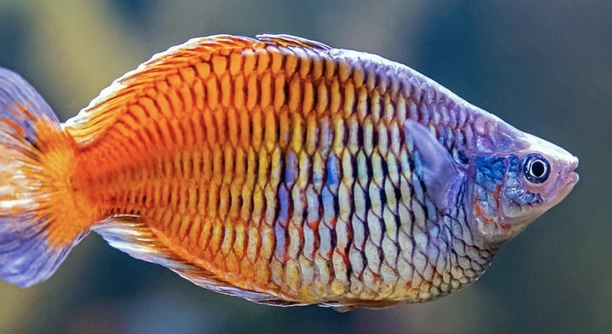
Rainbow fish are known for their bright colors and active movements. Understanding their behavior in different environments can help provide better care for them. One aspect to consider is how they react to crowded spaces in their habitat.
Rainbow fish tend to feel safer in environments where they can group together. This behavior is likely a defense mechanism to reduce the risk of predation. When in larger groups, they may feel more secure, as safety often comes in numbers.
The behavior of rainbow fish in crowded spaces reveals a lot about their social nature. Understanding this can help create a more suitable environment for them.
Why Rainbow Fish Feel Safer in Groups
Rainbow fish, like many species, have a natural tendency to form schools in the wild. This behavior helps them feel more secure, as there is safety in numbers. In a larger group, the fish can confuse predators with their fast movements and numerous bodies. It’s also a social behavior that reduces stress, providing a sense of comfort. In aquariums, keeping rainbow fish in schools helps replicate their natural environment, making them feel at ease.
Fish that are alone or in very small groups can become stressed. Stress can lead to poor health, which is why it’s recommended to keep rainbow fish in groups of at least six or more.
Having multiple rainbow fish also allows them to display more natural behaviors. They may engage in schooling, playing, or hiding together when needed. This behavior mirrors their instinctive need for protection and a stronger sense of community.
How Crowding Affects Rainbow Fish
Overcrowding can also influence their behavior. Fish may feel the need to compete for space or food, causing stress.
In environments where there is too much crowding, the rainbow fish may struggle to maintain their natural behaviors. They might become territorial or more aggressive, leading to less peaceful cohabitation. Proper space and a balanced number of fish are essential for a harmonious tank.
The Role of Space in the Tank
Rainbow fish need adequate space to feel comfortable. When they have enough room to swim freely, they show more natural behaviors. Overcrowding, even within a group, can create stress and lead to competition for resources. Ensuring your tank has proper space is key to maintaining a healthy and happy environment for your fish.
A tank that is too small can restrict the rainbow fish’s movements. As a result, the fish may become anxious or aggressive toward one another. Fish may also experience difficulty finding food or hiding spots, leading to more stress. To avoid this, always make sure the tank size fits the number of fish you have.
The ideal tank size for rainbow fish depends on the number you plan to keep. A minimum of 20 gallons is often recommended for a small group. Larger groups will need larger tanks to ensure they have enough space to move and interact. Proper tank size is crucial for long-term health and happiness.
Environmental Enrichment for Rainbow Fish
Providing environmental enrichment in the form of plants, rocks, and decorations can make a big difference in how your rainbow fish feel. When the fish can explore and hide among these objects, they feel safer. These hiding spots provide them with a sense of security, reducing anxiety.
Plants are especially important for creating an ideal environment. Floating plants, in particular, allow fish to swim and hide in different layers of the tank. Dense plant life gives them a chance to escape from sight when they need to. By introducing different elements to the tank, you create a space that mimics their natural environment.
Adding natural elements like driftwood and rocks can also encourage the fish to display more natural behaviors, such as hiding, resting, and schooling. Be mindful, though, of overcluttering the tank, as that can lead to stress. The balance between space and enrichment will ensure your fish feel safe and comfortable.
Fish Tank Behavior and Stress Factors
Stress can cause rainbow fish to act out of character. Small spaces, poor water quality, or incompatible tank mates can all contribute to stress. Keeping their environment calm and stable helps rainbow fish feel secure and behave naturally. The more comfortable they feel, the less likely they are to show signs of stress.
Fish that are stressed may exhibit erratic swimming or hiding more often. Some may become more territorial or aggressive toward other fish. These behaviors are a sign that something in their environment needs adjusting. Regular tank maintenance and observation of their interactions can help prevent stress-related issues.
Tank Mates for Rainbow Fish
Choosing the right tank mates is essential for rainbow fish. Peaceful species that swim at different levels or require different territories are ideal. This reduces the likelihood of aggression and territorial behavior. Rainbow fish tend to do well with species that are similarly sized and non-aggressive.
Adding suitable tank mates allows the rainbow fish to interact without feeling threatened. Choosing the right companions also helps keep the tank dynamic and balanced, creating a better overall environment for everyone.
Feeding Rainbow Fish in a Group
Feeding rainbow fish in a group can sometimes lead to competition for food. It’s important to scatter food across the tank or use feeding rings to ensure every fish has access. Overfeeding can lead to water quality issues, so maintaining a balanced feeding schedule is key.
FAQ
Do rainbow fish need to be in groups?
Yes, rainbow fish thrive when kept in groups. They are social animals and feel safer in the company of others. A group helps reduce stress by providing protection against predators. Ideally, you should keep at least six rainbow fish together to help them exhibit natural schooling behavior. A larger group can be even better, as it enhances their security and reduces the chances of territorial disputes.
Can rainbow fish live with other species?
Rainbow fish can live with many peaceful species. They are generally non-aggressive and get along well with other fish that are similarly sized and non-territorial. However, you should avoid keeping them with overly aggressive species or fish that are much smaller than them. Some good tank mates for rainbow fish include tetras, guppies, and peaceful catfish. Always research each species’ temperament before adding them to your tank.
How do I reduce stress in my rainbow fish?
Reducing stress for rainbow fish starts with creating a stable and comfortable environment. Ensure that the tank is large enough for the number of fish you have and provide plenty of hiding spots with plants and decorations. Regular water changes and maintaining good water quality are crucial. Avoid overcrowding and be mindful of tank mates that might be causing stress.
What is the ideal water temperature for rainbow fish?
Rainbow fish typically thrive in water temperatures ranging from 72°F to 78°F (22°C to 26°C). Keeping the temperature within this range helps promote healthy behavior and reduces stress. If the water is too cold or too warm, it can lead to weakened immune systems and make the fish more susceptible to diseases.
How often should I feed my rainbow fish?
Rainbow fish should be fed once or twice a day. It’s important not to overfeed, as this can lead to water quality problems and obesity. Offer a varied diet that includes high-quality flake food, pellets, and occasional live or frozen foods like brine shrimp or daphnia. Be sure to only feed as much as they can eat in a few minutes to avoid excess food in the tank.
Can rainbow fish live in cold water?
Rainbow fish prefer warm water and are not well-suited for cold-water tanks. If the water temperature drops too low, it can slow down their metabolism and make them more prone to illness. To ensure their health, always maintain a temperature between 72°F and 78°F (22°C to 26°C). A reliable heater is essential if you are keeping rainbow fish in an aquarium.
Why are my rainbow fish hiding all the time?
If your rainbow fish are hiding, it could be due to stress, poor water quality, or illness. Check the tank conditions—make sure the water parameters (pH, hardness, and ammonia levels) are within the appropriate range. If everything seems fine, it could also be that they are just adjusting to their new environment or are feeling threatened by other tank mates.
How long do rainbow fish live?
Rainbow fish can live for about 5 to 7 years in a well-maintained tank. Their lifespan can be influenced by factors such as water quality, diet, and overall care. Keeping them in a suitable environment with the right conditions will help ensure they live a long and healthy life.
Do rainbow fish need special lighting?
Rainbow fish do not require special lighting but do best with a light cycle that mimics natural day and night conditions. Aim for 10-12 hours of light per day, followed by a period of darkness. It’s also beneficial to include some dimmer areas in the tank where they can hide or rest away from bright lights if they wish.
Can rainbow fish live with bettas?
Rainbow fish can sometimes live with bettas, but caution is needed. Bettas are territorial, especially males, and may view the rainbow fish as competition. If you choose to keep them together, ensure there are plenty of hiding spots for the rainbow fish. It’s also a good idea to have a tank with a larger space to avoid territorial conflicts.
How can I tell if my rainbow fish are healthy?
Healthy rainbow fish are active and swim freely around the tank. Their colors should be vibrant, and they should eat regularly without showing signs of distress or illness. Look for clear eyes, smooth fins, and normal breathing. If the fish are lethargic, have clamped fins, or show unusual markings, it might be time to check water quality or consult an expert.
What do rainbow fish eat?
Rainbow fish are omnivores and eat a variety of foods. They thrive on a balanced diet that includes high-quality flake food, pellets, and frozen or live foods like brine shrimp, daphnia, and bloodworms. Adding vegetable matter, such as algae wafers or blanched spinach, can also be beneficial for their diet. Ensure you provide a well-rounded feeding routine to meet their nutritional needs.
Are rainbow fish easy to care for?
Rainbow fish are relatively easy to care for as long as you provide the right environment. They are hardy and adaptable but need a stable tank with proper water conditions, regular maintenance, and appropriate tank mates. Once you have set up their environment, rainbow fish can thrive with minimal effort on your part.
Final Thoughts
Rainbow fish can be a great addition to any aquarium. Their vibrant colors and active behavior make them fascinating to observe. However, keeping them healthy requires understanding their needs. It’s important to maintain proper water quality, choose compatible tank mates, and provide a suitable environment for them to feel safe and secure. When cared for correctly, rainbow fish can live long, happy lives, bringing beauty and movement to your tank.
While rainbow fish are relatively easy to care for, their well-being depends on creating the right environment. Proper tank size, temperature, and water parameters are essential for their health. Additionally, keeping them in groups allows them to exhibit natural behavior and helps reduce stress. Offering a balanced diet and ensuring their tank mates are peaceful will also contribute to their overall well-being. Regular tank maintenance and observation will go a long way in preventing common problems and promoting a thriving environment for your rainbow fish.
Understanding these factors is key to successful fishkeeping with rainbow fish. Their social nature and need for a stable environment should always be a priority. By providing the right care and attention, you can enjoy the beauty of rainbow fish in your aquarium for years to come. Keep learning and adjusting to their needs, and you’ll ensure a peaceful and vibrant tank for your fish to thrive in.

Hello,
If you enjoy the content that we create, please consider saying a "Thank You!" by leaving a tip.
Every little bit helps us continue crafting quality advice that supports the health, happiness, and well-being of pets around the world, for pets of all shapes, sizes, and species.
We really appreciate the kindness and support that you show us!