
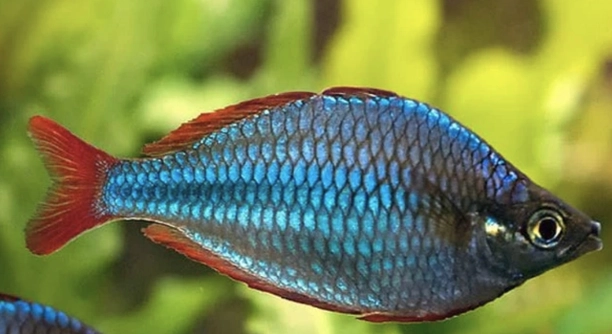
Rainbow fish are beautiful creatures that many pet owners love to keep in their aquariums. However, it’s important to consider their emotional needs for their overall well-being.
Isolation can negatively affect rainbow fish, leading to stress and behavioral changes. Being social animals, they thrive in the company of others, and lack of interaction may contribute to anxiety or a depressed state.
Ensuring your rainbow fish has companionship and a proper environment can prevent potential emotional issues. Maintaining a balanced tank setup is key to keeping them happy and healthy.
Why Rainbow Fish Need Company
Rainbow fish are naturally social animals, often found in groups in the wild. In an aquarium, they should ideally have at least a few companions. Being alone can lead to stress, which affects their health and behavior. Without others around, they may appear withdrawn or less active.
In the wild, rainbow fish are rarely alone, as they swim in schools for protection and social interaction. When placed in an aquarium without companions, they lack these social bonds. Over time, isolation can lead to symptoms of depression, such as a lack of appetite or visible signs of distress.
The stress caused by isolation can also weaken their immune system, making them more susceptible to illness. A healthy tank setup that includes a group of rainbow fish ensures they feel secure and stimulated. Proper tank mates can also help keep them more active, ensuring they live a more vibrant, healthier life. Maintaining the right environment is essential for their mental and physical health.
Identifying Signs of Stress in Rainbow Fish
When rainbow fish are stressed, their behavior can change drastically. They might start hiding more or show signs of sluggishness.
It’s important to closely monitor their movements and overall demeanor. If they are frequently hiding or not swimming around as usual, they could be struggling with stress. Stress can also cause loss of color, a common sign that they are not feeling well.
How to Prevent Isolation in Rainbow Fish
Keeping rainbow fish with other fish is the best way to prevent isolation. A small group of at least three to five fish is ideal. This encourages natural social behaviors, such as swimming together and sharing space. It’s important to choose peaceful tank mates to ensure harmony.
When introducing new fish to your tank, make sure the water conditions are stable. Adding new tank mates too quickly can cause stress, especially if the environment isn’t prepared. Gradually acclimating new fish to the tank allows for smoother integration and reduces potential stress for everyone. Keep an eye on the tank to ensure the rainbow fish are comfortable with the new additions.
It’s also important to maintain proper water quality. Clean, well-filtered water helps reduce stress and provides a healthy environment for all the fish. Regular water changes, temperature control, and pH balance are essential to keep the fish calm and comfortable. A good tank environment supports social interactions, as stressed fish are less likely to engage with others.
The Importance of Tank Size and Setup
A small, cramped tank can make rainbow fish feel more stressed, even if they are not isolated. Providing them with plenty of swimming space helps keep them active and engaged.
The tank should be at least 20 gallons for a small group of rainbow fish. Larger tanks are always better because they provide more space for socializing and swimming. Plants, rocks, and hiding spots should be included to create a natural environment that encourages exploration and reduces stress. Too many hiding spots, however, can make fish feel trapped and isolated. Finding the right balance is key.
Maintaining a well-structured tank setup that mirrors their natural habitat will make rainbow fish feel more secure and encourage social interaction. A balance of open spaces and areas to hide when they feel threatened creates a healthy environment. This setup allows the fish to engage naturally with each other without feeling overwhelmed.
Choosing the Right Tank Mates
Rainbow fish should be housed with peaceful, non-aggressive species. Avoid aggressive or overly territorial fish, as they can cause stress. Fish that are too large might also intimidate them.
Compatible species include other peaceful fish like tetras, gouramis, or danios. These fish are similar in temperament and will coexist well with rainbow fish. Avoid small fish that might be seen as food. Keeping the tank’s social environment peaceful and balanced is key for preventing stress.
Maintaining Water Quality
Water quality directly affects the health and well-being of rainbow fish. Poor water conditions can cause stress and even depression.
Regular water changes and proper filtration are essential. Monitor ammonia, nitrite, and nitrate levels, as well as pH and temperature, to ensure a stable environment. Fish are sensitive to water quality, and maintaining the right balance will help them thrive. Clean water reduces the risk of infections and stress-related issues.
Monitoring Behavior Regularly
You should check on your rainbow fish regularly to ensure they’re behaving normally. Look for signs of stress or unusual behavior.
If they are swimming erratically, hiding more than usual, or showing signs of faded color, it may be time to adjust the tank environment or add more companions.
FAQ
Can rainbow fish live alone?
Rainbow fish can live alone, but it is not ideal. These fish are social by nature and thrive when kept with others of their kind. Living alone may cause them stress, leading to reduced activity, loss of color, and even health issues. Keeping them in a small group is the best way to ensure they feel secure and content. A group of at least three to five rainbow fish is recommended to encourage social interaction and reduce the risk of depression.
How many rainbow fish should I have in a tank?
For a small tank, at least three rainbow fish is a good starting point, but having five or more is even better. This allows them to interact with each other naturally and reduces stress from isolation. The more space you have, the more fish you can comfortably keep. Just make sure the tank is large enough for everyone to have their space and swim freely. A tank of at least 20 gallons is recommended for a small group, with larger tanks offering more flexibility.
What should I feed rainbow fish?
Rainbow fish are omnivores and eat a variety of foods, including high-quality flakes, pellets, live or frozen foods, and vegetable matter. You should offer a balanced diet with both protein and plant-based foods. It’s important not to overfeed them, as uneaten food can pollute the water. Feed your rainbow fish small portions two to three times a day, ensuring they consume everything within a few minutes. Supplementing their diet with occasional live foods, such as brine shrimp or daphnia, can help them stay healthy and active.
How can I tell if my rainbow fish is stressed?
Signs of stress in rainbow fish include hiding, loss of color, swimming erratically, or lack of appetite. If your fish is behaving differently from usual, it could be a sign of stress. Stress can result from poor water quality, lack of tank mates, or an unsuitable tank environment. Pay attention to their behavior, and check the water conditions. Adjusting the environment or adding more companions may help them recover. Long-term stress can weaken their immune system, making them more susceptible to illness.
What water conditions do rainbow fish prefer?
Rainbow fish prefer slightly acidic to neutral water, with a pH between 6.5 and 7.5. They also enjoy warm water temperatures, ranging from 72°F to 78°F (22°C to 26°C). It’s important to maintain stable water conditions to prevent stress. Sudden changes in temperature or pH can cause shock and affect their health. Regular water changes and proper filtration are essential for keeping the water clean and safe. Monitor ammonia, nitrite, and nitrate levels to ensure the water stays balanced.
Can rainbow fish be kept with other species?
Rainbow fish can be kept with a variety of other peaceful species, such as tetras, gouramis, and danios. Avoid aggressive or territorial species, as these can stress out the rainbow fish. It’s also important to ensure the size difference isn’t too extreme, as larger fish might intimidate or harm the smaller rainbow fish. Always do your research on potential tank mates to ensure compatibility. A peaceful community tank setup is ideal for rainbow fish, as it allows them to interact and socialize with other species in a low-stress environment.
Do rainbow fish need a lot of space?
Rainbow fish need plenty of swimming space. A tank that is too small can cause stress, leading to poor health. A minimum of 20 gallons is recommended for a small group of rainbow fish. Larger tanks are always better, as they offer more room for the fish to swim and interact. The more space they have, the more active and social they will be. Avoid overcrowding, as it can lead to competition for resources and increase stress levels.
What temperature is best for rainbow fish?
Rainbow fish thrive in warm water with temperatures between 72°F and 78°F (22°C to 26°C). Keeping the water temperature within this range helps to ensure they are active and healthy. Temperature fluctuations can cause stress and make the fish more susceptible to illness. A reliable heater and thermometer are essential to maintain consistent water temperature. Always check the temperature regularly to make sure it stays within the ideal range for your fish.
Can rainbow fish be kept with shrimp or snails?
Rainbow fish can usually be kept with shrimp and snails, as long as the shrimp are not too small to be seen as food. Larger shrimp species, such as cherry or Amano shrimp, can live peacefully with rainbow fish. Snails, like Nerite or Mystery snails, are also compatible with rainbow fish. However, keep an eye on the behavior of your fish, as some might show interest in small or juvenile shrimp. It’s important to choose larger, peaceful shrimp species to ensure harmony in the tank.
How long do rainbow fish live?
Rainbow fish typically live for about 5 to 8 years, though some can live longer if kept in optimal conditions. Providing a stable tank environment, good water quality, and a proper diet will help them reach their full lifespan. Stress and poor water conditions can shorten their lifespan, so it’s important to monitor their health regularly and make necessary adjustments to their habitat. By maintaining a healthy tank setup, your rainbow fish can live a long, happy life.
Do rainbow fish breed in captivity?
Yes, rainbow fish can breed in captivity. However, breeding requires specific conditions to ensure success. You need a separate breeding tank with soft, slightly acidic water and proper temperature (around 75°F to 78°F). Providing fine-leaved plants or spawning mats is helpful for the fish to lay their eggs. After breeding, the adults should be removed, as they may eat the eggs. The fry will hatch in about 7-10 days, and they require tiny foods like infusoria until they are large enough to eat standard fish food. Breeding rainbow fish can be a rewarding experience but requires careful planning.
Final Thoughts
Rainbow fish are beautiful, social creatures that require a proper environment to thrive. While they can live alone, it’s not the best option for their well-being. These fish are happiest when kept with others of their kind, as they naturally form groups in the wild. Without companionship, rainbow fish may become stressed, which can lead to a decline in their health and overall happiness. Keeping them in a group of at least three to five fish will ensure they feel secure, active, and more vibrant. So, if you’re planning to get rainbow fish, it’s important to consider their social needs.
In addition to companionship, a suitable tank setup plays a significant role in the well-being of rainbow fish. They require enough swimming space and a healthy, stable environment to feel comfortable. A tank that is too small or overcrowded can cause stress and make them feel confined. A well-maintained tank with plenty of space, hiding spots, and plants helps them feel safe and encourages natural behaviors. Water quality is also a key factor—clean water, with the right temperature and pH levels, is essential for their health. Regular water changes, proper filtration, and monitoring of water parameters will keep the fish happy and reduce the chances of stress-related issues.
Lastly, providing the right tank mates is crucial for maintaining a peaceful environment. Rainbow fish are best kept with other calm, non-aggressive species. Keeping them with fish that are too large, territorial, or aggressive will cause stress and could even result in harm. Choosing peaceful companions, such as tetras or danios, ensures that your rainbow fish feel safe and can engage in natural social behaviors. By paying attention to these factors—companionship, tank setup, and compatible tank mates—you can help your rainbow fish lead a long, healthy, and happy life.

Hello,
If you enjoy the content that we create, please consider saying a "Thank You!" by leaving a tip.
Every little bit helps us continue crafting quality advice that supports the health, happiness, and well-being of pets around the world, for pets of all shapes, sizes, and species.
We really appreciate the kindness and support that you show us!