
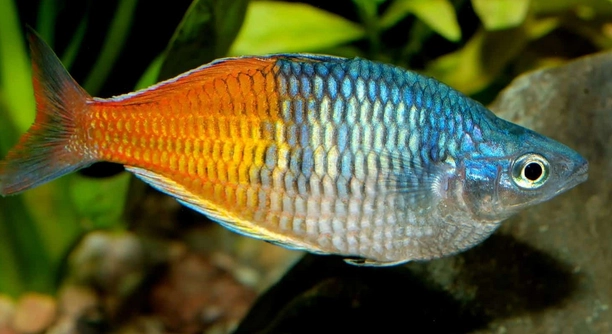
Do your rainbow fish sometimes stop following their school, swimming off on their own?
Rainbow fish may stop following their school for several reasons, including stress, illness, or a lack of proper social bonds. Environmental factors such as water conditions or overcrowding can also influence their behavior, causing them to separate.
Rainbow fish are naturally social, so understanding why they stop following their school can help you ensure a healthy environment for them. Exploring these factors can help improve their well-being and keep their social behavior intact.
Why Rainbow Fish May Stop Swimming with Their School
Rainbow fish are known for their vibrant colors and social nature. They often swim together in groups for protection and to find food. However, when they stop following the school, it can be concerning. There are many reasons this might happen, and understanding these causes can help improve the health and well-being of your fish.
One common cause is stress. Rainbow fish are sensitive to changes in their environment, such as sudden shifts in water temperature, pH, or cleanliness. These stress factors can cause them to separate from the group. Overcrowding in the tank can also lead to tension between the fish, prompting them to swim alone.
Another reason could be illness. Sick fish tend to isolate themselves as a way to avoid being noticed by potential predators. If you notice a rainbow fish acting differently or swimming alone, it’s important to check for signs of illness, such as faded color, lethargy, or unusual swimming patterns.
The Role of Tank Conditions
Tank conditions are a huge factor in the behavior of rainbow fish.
If the water temperature is too high or low, or if the pH levels are off, rainbow fish may become stressed and stop interacting with the school. Maintaining stable and clean water conditions is essential for keeping fish healthy and ensuring they stay social.
Fish in a tank with high water quality and a consistent temperature are much more likely to remain in their schools. Proper filtration and regular water changes help reduce the risk of stress. It’s also important to avoid drastic changes in water parameters to prevent unsettling your fish. If the conditions are right, your rainbow fish will feel more comfortable and continue swimming with their school.
Social Bonds and Hierarchy in Rainbow Fish
Like many fish, rainbow fish establish social bonds within their schools. These bonds help create a structure, with dominant fish typically leading the group. If a fish feels insecure about its position or is experiencing conflict within the school, it may choose to swim alone.
The social structure among rainbow fish is delicate, and disruptions can lead to isolated behavior. Adding new fish to the tank or removing an existing one can affect this balance. If a fish feels threatened or displaced, it may choose to separate from the school. Keeping the group size balanced and avoiding sudden changes can help maintain harmony.
In addition to social structure, rainbow fish often form attachments to specific members of their group. If these individuals are removed or isolated, the remaining fish may lose their sense of security and begin acting independently. This behavior can be resolved by maintaining a consistent group dynamic.
Overcrowding and Space in the Tank
Overcrowding is a common issue in many fish tanks.
When there are too many fish in a tank, it can create stress. Rainbow fish, being social, need space to move and interact with their group. Without enough room, they might feel threatened and separate from the school. Ensuring that each fish has enough space will help maintain their social behavior and reduce the chance of isolation.
A good rule of thumb is to allow one inch of fish per gallon of water. This helps maintain a balanced environment where fish can swim freely. Too many fish in a tank also leads to poor water quality, further stressing the fish and encouraging them to swim away from the group. Keep an eye on your tank’s population to prevent overcrowding and ensure a healthier, happier school of rainbow fish.
Aggression and Social Dynamics
Aggression among rainbow fish can drive them to separate from the school.
Sometimes, a dominant fish may become too territorial, chasing others away from the group. This can lead to stress and isolation for the affected fish. If your rainbow fish stop following their school, it might be because they’re trying to avoid aggressive behavior from a dominant member. Keeping the group peaceful is essential for their social structure.
One way to reduce aggression is by ensuring there are enough hiding spots in the tank. Plants, rocks, or decorations provide places for fish to retreat when they feel threatened. You may also consider adding more fish to the group, as a larger school can help spread out aggressive behavior.
Illness and Health Issues
Sick rainbow fish are likely to stop following their school.
When a fish is unwell, it may isolate itself from the rest of the group. Signs of illness, such as unusual swimming patterns, faded color, or loss of appetite, can indicate that something is wrong. If your fish is sick, it’s essential to treat it quickly to avoid further complications.
It’s important to quarantine sick fish if possible, preventing the spread of illness to others in the tank. Keep a close eye on the overall health of your fish to catch any issues early. Providing a clean environment and proper diet can also help prevent many health problems.
Water Quality and Maintenance
Water quality plays a significant role in a fish’s behavior.
Poor water quality can lead to stress, making it harder for your rainbow fish to stay with the group. Regular water changes, proper filtration, and monitoring of parameters like pH, ammonia, and nitrate levels are crucial. Keeping the water clean helps maintain a healthy environment.
Environmental Enrichment
Rainbow fish thrive in a well-decorated tank.
Adding plants, rocks, and other decorations can help create a more stimulating environment for the fish. These enrichments not only improve the aesthetics of the tank but also provide hiding spots and territories, reducing stress. A well-planned setup promotes natural behaviors and encourages social interaction.
FAQ
Why do rainbow fish swim alone?
Rainbow fish may swim alone for a variety of reasons, with stress being the most common. Environmental changes, such as fluctuating water temperature, poor water quality, or overcrowding, can lead to stress. Illness or injury can also cause a fish to isolate itself from the group. Aggression within the tank can further contribute, as dominant fish chase others away. Lastly, if a fish doesn’t feel comfortable with the school, it may simply swim alone until conditions improve.
Can rainbow fish live without a school?
Rainbow fish are social creatures and thrive in groups. While they can technically survive alone, they will often experience stress, reduced activity, and may even show signs of illness. A lack of social interaction can affect their overall health and well-being. A group dynamic provides comfort and security for these fish, which is crucial for maintaining their bright colors and active behavior.
How can I tell if my rainbow fish is stressed?
Signs of stress in rainbow fish include unusual swimming patterns, hiding more than usual, faded colors, or a lack of appetite. They may also stop interacting with the rest of the school or swim in a disoriented manner. If you notice these signs, it’s important to check the tank’s water conditions and look for any other stress-inducing factors. Stress can also lead to weakened immune systems, making them more susceptible to illness.
What can cause rainbow fish to stop following their school?
Several factors can cause rainbow fish to stop following their school. Water conditions that are too harsh, such as incorrect temperature or pH levels, can stress them out. Illness or injury can make them separate from the group as well. Aggressive behavior from dominant fish in the tank might also force others to swim alone. Overcrowding is another common cause, as it limits space and increases tension among the fish.
How can I reduce aggression in my rainbow fish tank?
To reduce aggression, make sure the tank has enough hiding spots for all fish. Adding plants, rocks, and decorations can help create territories, giving fish a sense of security. If aggression persists, consider adding more fish to the tank to dilute the aggression, as larger schools tend to be more peaceful. Avoid introducing too many new fish at once, as this can increase competition for space.
Should I isolate a rainbow fish that’s swimming alone?
If a rainbow fish is swimming alone and showing signs of illness or distress, it’s a good idea to isolate it in a quarantine tank. This prevents the potential spread of disease and allows you to monitor the fish more closely. However, if the fish seems healthy but just prefers to swim alone, it might be a temporary issue related to stress or social dynamics. In these cases, try improving tank conditions to encourage the fish to rejoin the school.
How often should I change the water in my rainbow fish tank?
Regular water changes are essential for maintaining a healthy tank environment. You should aim to change 20-30% of the water every two weeks. However, if you have a larger number of fish or poor filtration, you may need to change the water more frequently. Always test the water before making changes to ensure parameters like pH, ammonia, and nitrate levels are within safe ranges.
What is the best tank size for rainbow fish?
Rainbow fish need plenty of space to swim and thrive. A tank that is at least 30 gallons is ideal for a small school of rainbow fish. The bigger the tank, the more room your fish will have to interact with each other and explore their environment. A larger tank also helps to maintain stable water conditions, which is essential for reducing stress.
Can rainbow fish get along with other species?
Rainbow fish are generally peaceful and can coexist with many other species of fish, as long as their tank mates are not aggressive. They do best with other peaceful, non-territorial fish. Avoid keeping them with overly aggressive species or large predators that may intimidate them. The key is to maintain a balanced community where every fish has enough space.
How can I improve the social behavior of my rainbow fish?
To encourage social behavior, provide plenty of space and ensure that the water conditions are optimal. Having a school of at least five to six rainbow fish will encourage them to swim together. You can also add plants and other decorations to create a more natural, stimulating environment. Avoid any stress factors like aggressive tank mates or overcrowding, and the rainbow fish will be more likely to stay with their school.
Final Thoughts
Rainbow fish are social creatures that thrive in groups, but there are various reasons they might stop following their school. Stress, poor water conditions, overcrowding, illness, or aggression can all lead to this behavior. Understanding what might be causing the problem is essential for addressing it effectively. By observing the fish carefully and ensuring the tank environment is stable, you can help your rainbow fish return to their social behavior.
Maintaining proper water quality is one of the most important aspects of keeping rainbow fish happy and healthy. They are very sensitive to changes in their environment, so regular water changes, monitoring temperature and pH levels, and keeping the tank clean are key. Overcrowding is another issue to watch out for, as it can lead to stress and aggressive behavior. If your rainbow fish is swimming alone, make sure there’s enough space and that their tank mates are peaceful.
While it’s common for rainbow fish to separate from their school from time to time, this behavior shouldn’t last long if the underlying issue is addressed. Keep the environment stress-free and ensure they feel safe and comfortable in their tank. With the right care and attention, your rainbow fish will likely return to their social nature, swimming happily with their school once again.

Hello,
If you enjoy the content that we create, please consider saying a "Thank You!" by leaving a tip.
Every little bit helps us continue crafting quality advice that supports the health, happiness, and well-being of pets around the world, for pets of all shapes, sizes, and species.
We really appreciate the kindness and support that you show us!