
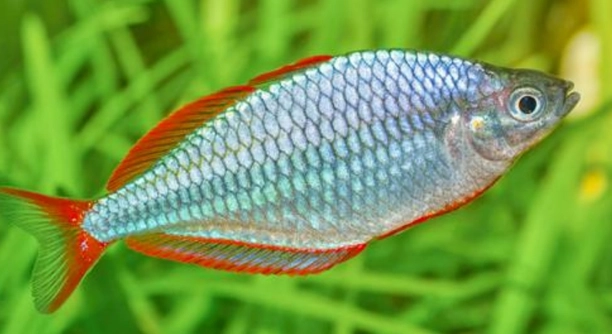
Rainbow fish are popular among aquarium enthusiasts due to their bright colors and playful nature. Ensuring their habitat is suitable for their needs is important for their well-being. One factor to consider is whether floating plants are necessary in their tanks.
Rainbow fish do not require floating plants for survival, but they can benefit from them. Floating plants provide shelter, reduce stress, and help replicate their natural environment. This can contribute to the overall health and happiness of the fish.
Floating plants can create a more natural setting for your rainbow fish. Understanding the benefits they offer will help you decide if they are a good addition to your tank.
Benefits of Floating Plants for Rainbow Fish
Floating plants can help create a more natural habitat for your rainbow fish. In the wild, these fish are often found in areas with dense vegetation, including floating plants that provide shelter. By adding them to your tank, you can mimic these conditions, making your fish feel more secure and comfortable. Floating plants also play a role in reducing the amount of light that reaches the aquarium’s surface. This can help create a more balanced environment, preventing excessive algae growth and lowering water temperature. These plants can also help with water quality by absorbing excess nutrients, contributing to a healthier tank overall.
They also provide hiding spots, which can reduce stress for your rainbow fish. Stress can negatively affect fish health, so having plenty of places to hide is important for their well-being.
Adding floating plants isn’t a necessity, but it does offer several advantages for rainbow fish care. They promote a natural environment, help with water balance, and reduce stress, ultimately supporting better fish health.
Choosing the Right Floating Plants
When selecting floating plants, it’s important to consider the type of rainbow fish you keep. Some species might prefer a more open swimming space, while others benefit from dense coverage. Plants like duckweed, frogbit, or water lettuce are good options. These plants grow quickly and provide both shade and shelter, which rainbow fish appreciate. While they are easy to maintain, it’s essential to ensure the plants do not cover the entire tank surface. Overgrowth can block oxygen from reaching the water, which could harm your fish.
Proper plant care includes regular trimming and monitoring the health of the plants. If they grow too quickly, trimming them back can help maintain a balance in your aquarium. Keeping the right amount of plants can also ensure that the fish still have enough space to swim freely without feeling confined.
Floating plants are beneficial to rainbow fish in many ways, but it’s crucial to balance their growth and care to maintain a healthy tank environment.
Impact on Water Quality
Floating plants can play a significant role in improving the water quality in your tank. They absorb excess nutrients like nitrates, which can otherwise lead to algae blooms. In addition, they help oxygenate the water, creating a more stable environment. The roots of floating plants filter the water, trapping small debris and helping maintain clarity.
Maintaining proper water quality is crucial for your rainbow fish’s health. High levels of ammonia, nitrates, or nitrites can be toxic and cause stress. Floating plants help reduce these harmful substances by naturally filtering the water. Their roots act as an effective way to break down waste and prevent water from becoming polluted.
However, it’s important to remember that floating plants alone cannot guarantee clean water. Regular water changes and tank maintenance should still be part of your care routine. But with their natural filtration properties, floating plants certainly help in making the aquarium environment safer for your fish.
Maintaining Floating Plants in an Aquarium
Floating plants are low-maintenance, but they do need some attention to thrive. They should receive moderate light to grow well, but too much light can cause them to grow excessively. It’s important to balance lighting and nutrients to prevent them from overwhelming your tank.
To ensure your floating plants stay healthy, avoid letting them cover the entire surface of your tank. When plants start overgrowing, trim them back to allow light and air to circulate. Keeping a good balance between plant growth and space for your fish is essential. This also helps avoid blocking filtration systems, which are crucial for keeping the tank’s water clean.
Overall, with minimal effort, floating plants can thrive in your aquarium and provide plenty of benefits for your rainbow fish. Keep an eye on their growth and maintenance needs, and your plants will continue to improve the water quality and comfort of your tank.
Floating Plants and Tank Aesthetics
Floating plants add beauty to an aquarium. Their soft, flowing leaves create a calming effect that enhances the overall look. The variety of colors and shapes available can make your tank feel more natural and vibrant, which can be especially pleasing to the eye.
They also offer visual depth to the tank. The floating plants, with their different shades and textures, can make your aquarium look fuller and more balanced. This aesthetic enhancement is an easy way to elevate the appearance of your setup without much effort or cost.
Considerations for Tank Size
Tank size plays a key role when adding floating plants. In smaller tanks, the plants may quickly overcrowd the surface, leaving less space for fish to swim. A larger tank gives floating plants more room to grow without overwhelming the fish or filtration system.
With a larger tank, you have more flexibility in the types of floating plants you can add. These plants will have enough space to thrive without causing excessive algae buildup or blocking essential light. In a smaller setup, consider limiting the number of plants or choosing species that stay compact.
Types of Rainbow Fish and Floating Plants
Some rainbow fish prefer areas with dense vegetation, while others need more open swimming space. Species like the Boesemani rainbow fish enjoy a more natural setup with plants that provide cover and shade. Floating plants meet these needs by offering shelter without occupying the entire tank.
For fish that like open spaces, plants that grow slower and stay closer to the surface may be more suitable. It’s important to match the plant type with the fish’s natural behavior to ensure a comfortable and stress-free environment.
FAQ
Do rainbow fish need floating plants?
Rainbow fish do not necessarily need floating plants to survive, but they can benefit from them. Floating plants help create a more natural environment by providing shelter, reducing stress, and improving water quality. They offer hiding spots and shade, which helps replicate the fish’s natural habitat.
Can floating plants improve water quality for rainbow fish?
Yes, floating plants can improve water quality. They absorb excess nutrients like nitrates and phosphates, which helps reduce algae growth. Additionally, the roots of floating plants act as natural filters, trapping debris and absorbing waste. This contributes to cleaner, clearer water and a healthier environment for your rainbow fish.
What type of floating plants are best for rainbow fish?
Common floating plants like duckweed, frogbit, and water lettuce are excellent choices for rainbow fish. These plants provide shade and shelter, which your fish will appreciate. They also grow relatively quickly, making them effective at improving water quality. Be mindful not to let them overgrow the tank, as they can block light and affect oxygen levels.
Can floating plants cause oxygen depletion in the tank?
Floating plants can reduce oxygen levels if they are allowed to overgrow and cover the entire surface. This can limit the amount of light reaching submerged plants and reduce oxygen production. To prevent this, trim the floating plants regularly and ensure that they don’t block the surface too much. Proper aeration and filtration can also help maintain oxygen levels.
How do I care for floating plants in my tank?
Caring for floating plants is relatively simple. Provide moderate light, but avoid too much direct sunlight, which can cause overgrowth. Keep the tank water clean by performing regular water changes, and remove excess plant material when needed. Trim plants to prevent overcrowding and ensure they don’t block light or affect the fish’s movement. If you’re using a filter, be careful not to let the plants clog it.
Can floating plants help reduce algae growth?
Yes, floating plants can help reduce algae growth. By absorbing excess nutrients in the water, such as nitrates and phosphates, they limit the food source available for algae. Floating plants also block some of the light that would otherwise encourage algae growth. This can help maintain a healthier, more balanced aquarium environment.
How do floating plants affect the behavior of rainbow fish?
Rainbow fish feel more secure and less stressed when they have hiding spots and shade, both of which floating plants provide. They may swim more freely and display natural behaviors like foraging or schooling. However, too many floating plants can reduce swimming space, which may make some species feel confined. It’s important to balance plant coverage with open swimming areas.
Will floating plants overcrowd the aquarium?
Floating plants can overcrowd the aquarium if they’re left unchecked. When they grow too much, they can block light from reaching other plants or prevent proper water circulation. Regular trimming is necessary to maintain balance and ensure the plants don’t take over the tank. If the plants become too abundant, remove them to allow more space for the fish to swim and for other plants to thrive.
Do floating plants require special care compared to other aquarium plants?
Floating plants are generally easier to care for than rooted plants because they don’t require soil. However, they still need the right amount of light and nutrients. Be sure to monitor their growth and trim them when needed. Floating plants tend to grow faster than rooted ones, so they might need more frequent maintenance. Also, watch for any potential impact on the water’s oxygen levels or light availability for other plants.
Are there any disadvantages to having floating plants in an aquarium?
While floating plants offer many benefits, there are some potential downsides. If not managed properly, they can block too much light, which might harm other plants that need light for photosynthesis. They can also disrupt water flow if they become too dense, affecting filtration. Regular maintenance is key to preventing these issues. Additionally, some fish species might find the dense coverage a bit limiting, depending on how much space they need.
Can I use floating plants in a tank with other types of plants?
Yes, you can use floating plants in tanks with rooted plants. However, it’s important to make sure the floating plants don’t overshadow or block light from the submerged plants. If managed properly, the combination of both can create a balanced and natural-looking environment. Be sure to trim the floating plants to keep the tank well-lit and aerated.
Final Thoughts
Floating plants can be a great addition to your rainbow fish tank, offering benefits like improved water quality and providing a more natural habitat. These plants help reduce excess nutrients that could lead to algae growth, and their roots can trap debris, which helps keep the water clear. Additionally, floating plants create shaded areas and hiding spots, giving your rainbow fish a more comfortable and less stressful environment. This can contribute to their overall health and happiness. While not essential, they can certainly enhance the tank’s ecosystem.
However, it’s important to remember that floating plants require regular care. They grow quickly and can easily overtake the surface of the water if not properly managed. Overcrowding can block light and affect oxygen levels in the tank, so it’s crucial to trim them back regularly. Balance is key. Ensure that your plants don’t dominate the tank, and always leave enough space for your fish to swim freely. Regular monitoring and maintenance of both the plants and water conditions will help maintain a healthy tank.
In conclusion, floating plants are not a necessity for rainbow fish, but they can certainly enhance the environment and improve the quality of life for your fish. By providing shelter, shade, and helping with water filtration, they offer many advantages. Just be mindful of plant growth and keep up with trimming to avoid any potential issues. When managed well, floating plants can create a peaceful and balanced tank that both you and your fish can enjoy.

Hello,
If you enjoy the content that we create, please consider saying a "Thank You!" by leaving a tip.
Every little bit helps us continue crafting quality advice that supports the health, happiness, and well-being of pets around the world, for pets of all shapes, sizes, and species.
We really appreciate the kindness and support that you show us!