
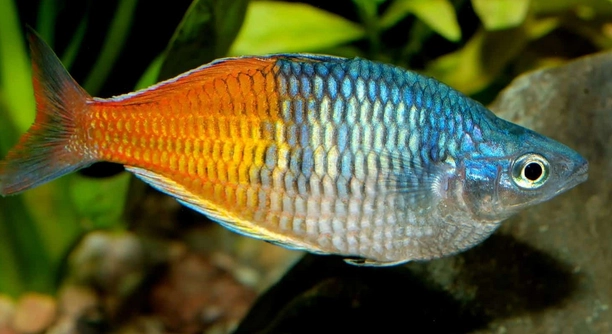
Rainbow fish are a popular choice among aquarium enthusiasts, often admired for their vibrant colors and active nature. If you’ve ever noticed them hanging out by the filter, you might be curious about their behavior.
Rainbow fish may linger by the filter due to the current it creates, which provides them with a natural environment mimicking flowing water in their native habitats. The movement offers stimulation and assists in waste removal, contributing to their well-being.
Understanding why they stay near the filter can enhance your aquarium setup and help create a more comfortable space for your fish.
Why Do Rainbow Fish Prefer the Filter?
Rainbow fish are naturally drawn to areas with water movement. In their native habitats, they live in rivers and streams with constant flow, which provides both a source of food and a space for exercise. Aquariums are often designed with filters that mimic this environment. The gentle current created by the filter makes it an ideal spot for fish to hang out. Here, they can catch bits of food and enjoy the flow, which is important for their physical health. The filter also helps remove waste from the water, which keeps the environment cleaner.
The filter’s current mimics their natural environment, making it a comfortable and safe space for them to rest and move around.
In addition, the area around the filter offers a sense of security for rainbow fish. They often prefer areas where they can retreat to feel safe, especially when they are stressed or adapting to new surroundings. Filters provide a refuge because the constant water movement makes them feel more secure. Fish feel less exposed to potential threats in flowing waters, and the filter’s location allows them to stay near the surface, where they instinctively seek oxygen-rich areas. The balance between movement and safety can make the filter area a perfect spot for your rainbow fish to spend time.
Other Factors That Influence Their Behavior
Aside from water movement, lighting plays a role in where your rainbow fish will hang out. They tend to stay in well-lit areas, which helps them maintain their natural color vibrancy. Lighting can also influence feeding habits and overall activity.
The Importance of Water Quality
Water quality directly affects the behavior and health of your rainbow fish. Poor water conditions, such as high levels of ammonia or nitrites, can cause stress and discomfort. Rainbow fish are sensitive to water changes and will seek areas that feel cleaner, often near the filter, where water is constantly being purified. Regular water testing and maintenance will help ensure they stay active and healthy in your tank.
A properly maintained filtration system ensures the water is free from harmful toxins and debris. Regularly changing water, cleaning the filter, and ensuring the correct temperature can reduce stress for your fish. Keeping the water in optimal condition can make a significant difference in their overall well-being.
Healthy water conditions contribute to your rainbow fish’s behavior. When the water quality is poor, they may become more reclusive and less active. Fish exposed to unclean water can also develop skin or gill issues. Maintaining the tank’s balance keeps your rainbow fish in their preferred spots, where they feel safe and comfortable.
Providing Space for Natural Behavior
Space is just as important as water quality for your rainbow fish. Overcrowded tanks cause stress and can lead to aggressive behavior. By providing enough swimming space, you allow your fish to act more naturally. Rainbow fish are active swimmers that need room to explore and exercise. Tanks that offer both hiding spots and open areas near the filter create a more balanced environment.
In a well-sized tank, rainbow fish can express their natural behavior, such as schooling and interacting with other fish. If the tank is too small or crowded, these behaviors become limited. In these conditions, fish may start seeking refuge in quieter areas, like near the filter. However, with enough space to roam, rainbow fish will spend more time in the open, staying active and healthy. Ensuring there’s plenty of room for them to move freely reduces stress and promotes social interaction.
Feeding Habits and Filter Interaction
Rainbow fish are opportunistic feeders, meaning they will take advantage of food that flows near the filter. The current helps move food particles toward them, making it easier to feed. Fish will often linger in these areas, where food is plentiful and easily accessible.
Since rainbow fish enjoy feeding in the water flow, it’s important to monitor their diet closely. Overfeeding can cause excess waste and water pollution, which may lead to poor water quality. Ensuring that the filter area is a primary food source can help your fish thrive without overloading the system.
Tank Decor and the Filter Area
Tank decorations play a crucial role in your fish’s behavior. Providing plants or rocks near the filter can give your rainbow fish a sense of security. They will appreciate the extra shelter and may spend more time in the area, especially when they feel the need to rest or escape from other tank mates.
Adding decorations that complement the filter’s position helps create natural hiding spots. Fish need these areas to feel safe, reducing stress and encouraging active behavior. A well-balanced tank with both open spaces and cozy corners can support the natural behaviors of your rainbow fish, including exploring the filter area.
FAQ
Why do rainbow fish like to stay near the filter?
Rainbow fish are naturally drawn to areas with water movement. The current created by the filter mimics the flowing waters of their natural habitat. The movement helps them find food and provides a more stimulating environment. They also feel safer near the filter, as the constant water flow gives them a sense of security. This behavior is common in fish that come from rivers or streams, where the current provides both food and protection from predators.
Can I remove the filter if the rainbow fish keep swimming near it?
Removing the filter is not recommended, as it serves an important purpose in keeping the water clean and oxygenated. If you remove the filter, the water quality will deteriorate, which can negatively impact the health of your rainbow fish. Instead, focus on adjusting the filter’s flow rate to better suit your fish’s needs, ensuring the water remains clean without creating too strong a current.
What is the best filter for rainbow fish?
A filter that provides gentle water flow is best for rainbow fish. Strong currents can be overwhelming, while weak filtration may not effectively clean the water. Look for a filter with an adjustable flow rate so you can tailor the current to your fish’s needs. Additionally, ensure the filter has a mechanical, chemical, and biological filtration system to maintain water quality.
How often should I clean the filter for my rainbow fish?
The filter should be cleaned every 4 to 6 weeks, depending on the size of your tank and the filter’s capacity. Regular cleaning prevents the buildup of debris and maintains water quality. Be sure to replace the filter media as needed, but avoid cleaning everything at once, as this could disturb the beneficial bacteria that help break down waste.
Can rainbow fish live without a filter?
While rainbow fish can technically survive without a filter, it is not recommended. The filter helps keep the water clean and oxygenated, which is vital for the health of the fish. Without a filter, the water will quickly become polluted, leading to poor water quality and potentially harmful conditions for the fish. If you must go without a filter, frequent water changes and proper aeration will be necessary to maintain the tank’s health.
Do rainbow fish prefer fresh or saltwater?
Rainbow fish are freshwater fish and thrive in freshwater aquariums. They are not suited for saltwater environments. When setting up a tank for rainbow fish, ensure the water is properly conditioned and free from impurities. The ideal water conditions for rainbow fish include a slightly acidic to neutral pH, with temperatures ranging from 72°F to 78°F (22°C to 26°C).
What tank mates are best for rainbow fish?
Rainbow fish are peaceful and social, so they do well with a variety of other peaceful fish. Some good tank mates include tetras, gouramis, and corydoras catfish. Avoid placing rainbow fish with overly aggressive species, as this could cause stress and disrupt their natural behavior. It’s essential to choose tank mates that have similar water quality needs and temperament.
Can rainbow fish breed in a community tank?
Yes, rainbow fish can breed in a community tank, but it may require some adjustments. To encourage breeding, you can provide them with plenty of plants and hiding spots. If breeding is a priority, it’s better to set up a separate breeding tank to increase the chances of successful spawning. In a community tank, eggs may be eaten by other fish, so a separate breeding environment gives the best chance for survival.
How can I tell if my rainbow fish is stressed?
Stressed rainbow fish may exhibit signs such as fading colors, erratic swimming patterns, or hiding more than usual. They may also stop eating or become more aggressive toward other fish. Stress can be caused by poor water quality, overcrowding, or inappropriate tank mates. If you notice these behaviors, check your tank conditions and ensure your fish are living in a comfortable and stable environment.
Are rainbow fish hardy?
Rainbow fish are generally hardy, but they still require proper care and stable water conditions. They are resilient to slight changes in water quality, but large fluctuations can cause stress or illness. Regular water testing, maintaining a consistent temperature, and providing appropriate tank mates will help keep your rainbow fish healthy and thriving.
Do rainbow fish need a heater?
Yes, rainbow fish prefer warm water, and a heater is recommended to maintain a stable temperature. The ideal water temperature for rainbow fish is between 72°F and 78°F (22°C to 26°C). Using a reliable aquarium heater helps keep the water at a consistent temperature, which is important for the health and well-being of your fish.
How do I encourage rainbow fish to swim in the open?
Rainbow fish are active swimmers and enjoy exploring their tank. To encourage them to swim in the open, ensure that the tank provides plenty of space and that the water quality is optimal. Adding plants or decorations near the filter can offer them a sense of security, but be sure there is still enough open swimming space for them to move around comfortably.
Final Thoughts
Rainbow fish are fascinating and colorful creatures that can make a great addition to any aquarium. Understanding their behavior, particularly their preference for staying near the filter, is key to providing them with a healthy and comfortable environment. These fish naturally gravitate towards areas with water movement, as it mimics the flowing waters of their native habitats. The filter creates an environment that provides both food and safety, making it an ideal spot for your rainbow fish to spend time. By ensuring your tank’s water quality and flow are in optimal condition, you can encourage your rainbow fish to thrive and express their natural behavior.
While rainbow fish enjoy the filter’s flow, it’s essential to balance this with a well-maintained tank. Regular water changes, filter cleaning, and monitoring water parameters are necessary to keep the fish healthy and prevent stress. A well-planted tank with plenty of space for swimming will also make a difference. Providing hiding spots and open swimming areas allows your rainbow fish to feel secure and reduces the likelihood of stress. Keeping their environment clean and stable will ensure that they remain active and happy.
Rainbow fish are hardy, but they do best in stable, clean water conditions. If your fish are spending more time near the filter, it’s likely because the water conditions there are more favorable. While this behavior is completely normal, be mindful of their needs in other areas of the tank as well. By understanding their preferences and providing the right environment, you can ensure your rainbow fish enjoy a long and healthy life in your aquarium.

Hello,
If you enjoy the content that we create, please consider saying a "Thank You!" by leaving a tip.
Every little bit helps us continue crafting quality advice that supports the health, happiness, and well-being of pets around the world, for pets of all shapes, sizes, and species.
We really appreciate the kindness and support that you show us!