
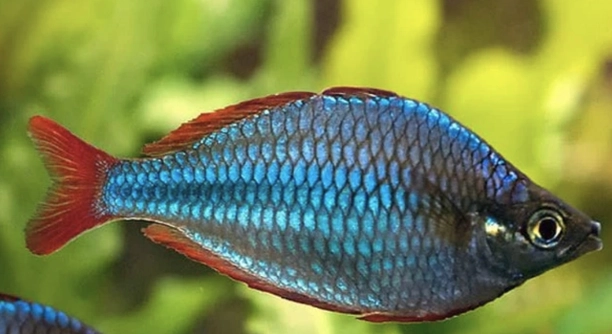
Do you have a beautiful rainbow fish at home and wonder if it can live happily without sharing its tank with others? Rainbow fish are known for their vibrant colors and lively nature, making them a joy to watch.
Rainbow fish can live without tank mates, but they tend to thrive better in small groups. Being social creatures by nature, they exhibit more natural behaviors and brighter colors when housed with others of their kind.
Understanding the social needs of your rainbow fish can help you create a happier, healthier environment that supports their natural behavior and well-being.
Why Rainbow Fish Prefer Having Tank Mates
Rainbow fish are naturally social creatures that feel more secure and active when they live in groups. In the wild, they swim together in large schools, relying on one another for safety and companionship. Without tank mates, a rainbow fish may become shy, stressed, or display duller colors. A group setting encourages healthier behavior, stronger immune systems, and vibrant displays. It is important to note that rainbow fish do not require a massive group; even a small group of six can greatly improve their quality of life. Providing tank mates also keeps them engaged, reducing the chances of boredom. Proper social stimulation results in a more lively and visually appealing aquarium. Observing their interactions can be rewarding, adding even more beauty to your setup. When considering tank mates, always match them with similar-sized, peaceful species to avoid stress and aggression. This approach will help your rainbow fish live their best life.
Some rainbow fish can survive alone, but it often leads to withdrawn behavior. They are naturally inclined to seek companionship and thrive in the presence of their own kind.
If you are setting up a tank for your rainbow fish, it is essential to plan for group dynamics. Choose a tank large enough to provide comfortable swimming space. A group of six rainbow fish usually requires a tank of at least 30 gallons, although larger is better. Make sure to add plenty of plants and hiding spots, but also keep open areas for free swimming. Balanced tank conditions, including stable water parameters and good filtration, play a critical role in their overall health. While rainbow fish get along well with their own species, you can also introduce other peaceful fish such as tetras or danios, as long as they are compatible in size and temperament. Avoid aggressive or fin-nipping fish to maintain a stress-free environment. Regular maintenance and a varied diet will help ensure your fish stay colorful and lively.
What Happens if Rainbow Fish Live Alone
A rainbow fish living without companions may quickly show signs of stress. Their natural instincts push them to seek the comfort of a group.
Fish kept alone often show less movement, hide frequently, and may develop faded colors over time. Without social interaction, rainbow fish can become lethargic, leading to potential health problems. A lack of stimulation increases stress levels, which weakens their immune systems and makes them more vulnerable to disease. In many cases, rainbow fish that live alone do not display the full range of their beautiful colors, as the presence of others often triggers their brightest displays. Mental and emotional health is just as important as physical health for aquarium fish. If keeping a group is not an option, consider enriching the tank environment with plants, varied decor, and a stimulating feeding schedule. These additions can help alleviate some loneliness, although they cannot fully replace the benefits of living with tank mates.
Signs Your Rainbow Fish Needs Tank Mates
When a rainbow fish feels lonely, you might notice reduced activity, hiding, loss of color, and a lack of appetite. These signs show that the fish is stressed and not living in a comfortable environment that supports its natural behavior.
Lonely rainbow fish often swim less, preferring to hide behind plants, decorations, or filter equipment. Their brilliant colors can fade, reflecting lower happiness and health levels. Stress also makes them more vulnerable to diseases such as fin rot and fungal infections. A once energetic fish may lose interest in food, leading to weight loss and overall weakness. When social needs are unmet, these fish do not interact with their surroundings as much, showing less curiosity or excitement during feeding times. Observing these behaviors early can help you adjust their living conditions, possibly introducing tank mates or enriching the environment to restore their natural vibrancy and health.
Sometimes a rainbow fish that seems healthy at first may start changing behavior after a few weeks alone. Gradual fading of color, slower movements, and spending more time at the bottom of the tank can signal loneliness. Even a healthy fish can eventually suffer mentally without companions. Tank mates give them a sense of security, encourage playful swimming, and bring out their most vibrant hues. Loneliness can also shorten their lifespan if left unaddressed. Early intervention is essential to prevent long-term health problems and behavioral decline. Adding a few compatible rainbow fish or other peaceful tank mates can quickly lift their mood and reintroduce liveliness. Observing the change in their behavior after socializing again can be deeply rewarding.
Choosing the Right Tank Mates for Rainbow Fish
Selecting peaceful tank mates is very important for the well-being of your rainbow fish. Ideal choices include tetras, danios, barbs, and rasboras. These fish share similar temperaments and environmental needs, making it easier to maintain a balanced tank.
Avoid aggressive fish or those that nip fins, like some types of cichlids or tiger barbs, because they can cause stress and injury. Look for species that prefer similar water conditions: a pH between 6.5 and 8.0 and temperatures around 74°F to 78°F. Size also matters. It is best to pair rainbow fish with similarly sized species to prevent bullying or food competition. Having plenty of plants and swimming space helps minimize territorial behavior among different species. Keeping a peaceful tank dynamic ensures that your rainbow fish remain lively, colorful, and healthy. Thoughtful selection of tank mates can greatly improve their overall quality of life.
When introducing new tank mates, it is smart to rearrange the decorations and plants in the tank. This removes any established territories and reduces aggression during the adjustment period. Quarantine new fish before adding them to the main tank to prevent disease. Introduce new fish slowly and observe their interactions closely over the first few days. Watch for any chasing or nipping behaviors that could lead to stress. If necessary, be prepared to separate fish that do not get along. Feed your fish a balanced diet and make sure there is enough food for everyone to prevent competition. Consistent water testing and proper maintenance are also essential to keep the tank stable and healthy. A well-planned community tank will allow your rainbow fish to live happily and show their brightest, most beautiful colors.
How to Help a Lonely Rainbow Fish
Adding more rainbow fish is often the best solution. They naturally prefer to live in groups of six or more. A small school provides comfort, encourages natural behaviors, and helps reduce signs of stress like hiding or refusing to eat.
Enriching their environment can also make a difference. Adding plants, caves, and open swimming areas helps them feel secure. These features create spaces to explore and allow them to establish a sense of territory. Regular interaction during feeding times can also strengthen their trust and ease loneliness.
How Many Rainbow Fish Should You Keep Together
Keeping at least six rainbow fish together is recommended to meet their social needs. In smaller numbers, they can feel insecure and stressed. A group allows them to interact naturally, form hierarchies, and maintain vibrant colors. The more comfortable they feel, the healthier and livelier they will become overall.
Best Tank Setup for Rainbow Fish
A spacious tank with at least 30 gallons of water is essential. Rainbow fish love to swim, so open areas without too much clutter are important. Provide some live or artificial plants around the sides and back, leaving the middle free for movement. Use a good-quality filter to maintain clean water with a gentle current. Maintain a stable water temperature between 74°F and 78°F, and keep the pH between 6.5 and 8.0. Moderate lighting brings out their colors but avoid lights that are too harsh. Weekly water changes are important to keep their environment fresh. A well-planned setup keeps them active and healthy.
Common Mistakes When Keeping Rainbow Fish
Overcrowding the tank can stress rainbow fish and cause aggression. Mixing them with aggressive or very different-sized fish can lead to bullying or injury. Always research compatibility before adding new species. Proper space and calm tank mates are key to their happiness.
FAQ
Can rainbow fish live alone?
Rainbow fish can technically live alone, but they are not ideal solitary animals. In the wild, they thrive in schools, which provides them with safety, companionship, and social interaction. A lone rainbow fish may become stressed, show a lack of interest in swimming, and lose its vibrant colors. If a group is not an option, try enriching the environment with plants and hiding spots, but remember that social interaction is still key for their well-being.
How many rainbow fish should I keep together?
Rainbow fish are best kept in groups of at least six. This allows them to interact naturally and feel more secure. When kept alone or in smaller groups, they may experience stress, leading to poor health and a lack of color. Larger groups of rainbow fish will also display their most vibrant colors and engage in more active behaviors. Keep in mind that a bigger tank is needed for larger schools, but even a small group will benefit from the social interaction.
What are the best tank mates for rainbow fish?
Rainbow fish are peaceful and social, so it’s important to choose compatible tank mates. Tetras, danios, rasboras, and peaceful barbs make excellent choices. These species share similar water parameters and behavior, ensuring a harmonious tank environment. Avoid aggressive species or those known for fin-nipping, such as certain cichlids or tiger barbs. Make sure the tank mates are similarly sized to prevent any bullying or stress. Always do some research on the compatibility of any new species before introducing them to the tank.
What size tank do rainbow fish need?
Rainbow fish need a tank that allows them to swim freely and comfortably. A minimum of 30 gallons is recommended for a small group of rainbow fish. Larger tanks are better, especially if you’re adding other species or planning on keeping more than six rainbow fish. The tank should have both open swimming areas and areas with plants or decorations for hiding. Proper filtration and a gentle current are also important for their overall health and comfort.
Do rainbow fish require special care?
Rainbow fish are relatively easy to care for but do require some attention to detail. They need stable water conditions with a temperature between 74°F and 78°F, and a pH level between 6.5 and 8.0. Regular water changes (at least once a week) are necessary to maintain a healthy environment. They also need a varied diet, including high-quality flakes, pellets, and occasional live or frozen foods like brine shrimp or bloodworms. While rainbow fish aren’t overly demanding, maintaining consistent water quality and providing them with a balanced diet are essential.
How can I improve the color of my rainbow fish?
To maintain or enhance the vibrant colors of your rainbow fish, ensure they have a healthy and stress-free environment. This includes keeping the water quality high, maintaining stable temperatures, and offering a varied diet. Regular water changes, proper filtration, and moderate lighting can also help bring out their natural colors. Keeping rainbow fish in groups and providing tank mates will further encourage their lively behavior and brighter hues. Lastly, a balanced and nutritious diet with occasional treats like live or frozen food can also make a difference in their coloration.
Can I keep different types of rainbow fish together?
Yes, different species of rainbow fish can generally be kept together, as long as they share similar water requirements. The key is to ensure that the species are peaceful and have compatible sizes. Some popular rainbow fish species that get along well include the Boesemani rainbow, the Murray River rainbow, and the Australian rainbow. When choosing different types, be mindful of their natural behaviors and avoid mixing species that may become territorial. By providing enough space and hiding spots, you can create a peaceful community of rainbow fish.
What is the lifespan of rainbow fish?
Rainbow fish typically live between 5 to 8 years, depending on their environment and care. In optimal conditions, with stable water parameters and a proper diet, some species can live even longer. Ensuring your rainbow fish have a stress-free environment with tank mates and a clean tank will help them reach their full lifespan. Regular maintenance, including water changes and monitoring for any signs of illness, also contributes to their longevity.
How can I tell if my rainbow fish is stressed?
Stressed rainbow fish may display signs such as reduced swimming, hiding more frequently, loss of appetite, and faded colors. If you notice these symptoms, it could indicate that the fish is feeling uncomfortable in its environment. Stress can also lead to more serious health issues like weakened immune systems, making the fish more vulnerable to diseases. To reduce stress, check the water quality, ensure the temperature is stable, and provide enough tank mates. Avoid overcrowding and provide plenty of hiding spots to make them feel more secure.
Are rainbow fish easy to breed?
Rainbow fish are relatively easy to breed, but there are some specific conditions required for successful breeding. A separate breeding tank is ideal, with soft, acidic water and a temperature of about 75°F to 80°F. Rainbow fish typically spawn in the early morning hours, and both male and female must be well-fed for breeding to occur. After spawning, remove the adults to prevent them from eating the eggs. The eggs hatch in about 5 to 7 days, and the fry grow quickly. Provide small foods like infusoria or baby brine shrimp for the fry until they are large enough to eat regular fish food.
Do rainbow fish need a filter?
Yes, rainbow fish need a filter to maintain good water quality. They produce waste, and without a proper filtration system, toxins such as ammonia and nitrates can build up quickly, which can be harmful to the fish. A filter helps to keep the water clean, removes debris, and ensures a stable environment. Make sure the filter creates a gentle current, as rainbow fish prefer calmer water with little turbulence. Regular cleaning and maintenance of the filter will ensure optimal water conditions for your fish.
Why is my rainbow fish losing color?
If your rainbow fish is losing color, it could be a sign of stress, poor water quality, or illness. Ensure that the water parameters are within the ideal range for temperature and pH. A lack of proper nutrition or exposure to aggressive tank mates can also cause a loss of vibrancy. Make sure the fish is in a peaceful tank with proper social interaction and a varied diet. A dull-colored rainbow fish often means that its environment needs improvement, so monitor their surroundings and look for signs of stress or illness.
Final Thoughts
Rainbow fish can thrive in a variety of conditions, but they do require a certain level of care and attention to flourish. These fish are peaceful and social, meaning they benefit greatly from being kept in groups. A small school allows them to express their natural behaviors and keeps them from becoming stressed. With the right tank setup, compatible tank mates, and proper water quality, rainbow fish can live long, healthy lives, often showing off their beautiful colors in a well-maintained tank.
While rainbow fish are relatively easy to care for, they do need an environment that caters to their natural needs. A spacious tank with proper filtration and stable water parameters is essential. They thrive in temperatures between 74°F and 78°F and require a pH level between 6.5 and 8.0. Offering a varied diet and ensuring the tank is large enough for a small group to interact comfortably will help maintain their health. Regular water changes, tank cleaning, and attention to their social needs will prevent any issues from arising.
Ultimately, the key to keeping rainbow fish happy and healthy lies in creating a stable, peaceful environment. Their vibrant colors and lively personalities are a direct result of the care they receive. By paying attention to their needs, such as proper tank size, compatible tank mates, and good water quality, you can enjoy these stunning fish for years. A well-maintained tank provides not just a home for the fish, but also a beautiful display of nature right in your own home.

Hello,
If you enjoy the content that we create, please consider saying a "Thank You!" by leaving a tip.
Every little bit helps us continue crafting quality advice that supports the health, happiness, and well-being of pets around the world, for pets of all shapes, sizes, and species.
We really appreciate the kindness and support that you show us!